When the FDA Form 483, a formal notice issued by the U.S. Food and Drug Administration after inspecting a drug manufacturing facility. Also known as Notice of Observations, it signals that inspectors found serious issues that could affect the safety or quality of the medicines you take. This isn’t a fine or a shutdown—it’s a warning. But that warning can mean the difference between a safe pill and a dangerous one.
The FDA inspections, routine checks on drug makers to ensure they follow strict quality rules happen without notice. If inspectors spot problems—like dirty equipment, falsified records, or uncontrolled contamination—they write them down on Form 483. These aren’t minor things. They’re the kinds of errors that can lead to contaminated antibiotics, pills with the wrong dose, or even drugs that don’t work at all. You might not know it, but your blood pressure med, your antibiotic, or your diabetes pill could have been made in a facility that got flagged. And if that facility didn’t fix the issues, those problems could still be out there.
Companies that get a Form 483 have to respond. They can’t ignore it. If they don’t fix the problems, the FDA can take bigger steps—like blocking their products from the U.S. market. That’s why you see recalls. That’s why some generic drugs disappear from shelves. The pharmaceutical compliance, the system of rules drug makers must follow to keep their products safe and effective isn’t just paperwork. It’s the only thing standing between you and a bad batch of medicine.
And here’s what most people don’t realize: Form 483s aren’t secret. They’re public. You can look them up. If you’re taking a generic drug and want to know if the maker has a history of problems, you can find out. The FDA publishes these reports. You don’t need a special request. You just need to know where to look. And if you’re worried about your meds, that’s not paranoia—it’s smart.
Form 483s also explain why some generic drugs cost more than others. Not because of branding, but because one maker passed inspection cleanly and another didn’t. The ones with clean records get to keep making medicine. The ones with repeated violations? They get shut down or forced to rebuild. That’s why some generics are harder to find. It’s not supply chain chaos—it’s compliance.
What you’ll find in the posts below isn’t theory. It’s real-world examples of how drug safety failures happen, how regulators catch them, and how patients are affected. You’ll see how a single inspection can ripple through the supply chain, how a missed cleanroom protocol can lead to infections, and why the same pill from two different makers might behave differently in your body. These aren’t abstract regulatory details. They’re the hidden rules that keep your medicine working—and sometimes, keep it from killing you.
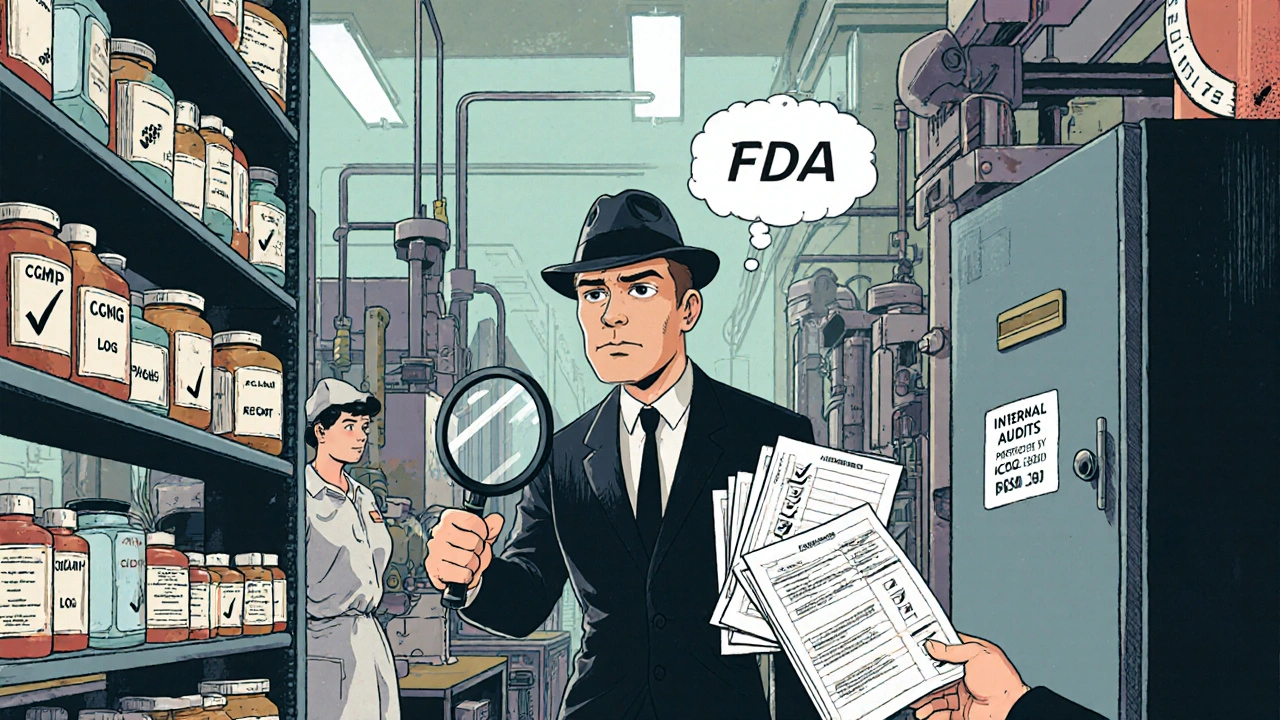
Learn how FDA inspection records work, what manufacturers must disclose, and why transparency in pharmaceutical and medical device production matters for public safety. Understand Form 483, remote inspections, and record retention rules.
full article