Weight-based dosing is the gold standard for pediatric medication safety. Learn how to calculate doses correctly, why double-checks save lives, and how to avoid the most common errors that put children at risk.
full article
Women experience adverse drug reactions nearly twice as often as men due to biological differences and decades of male-centered clinical trials. Learn why this happens, which drugs are most affected, and what you can do.
full article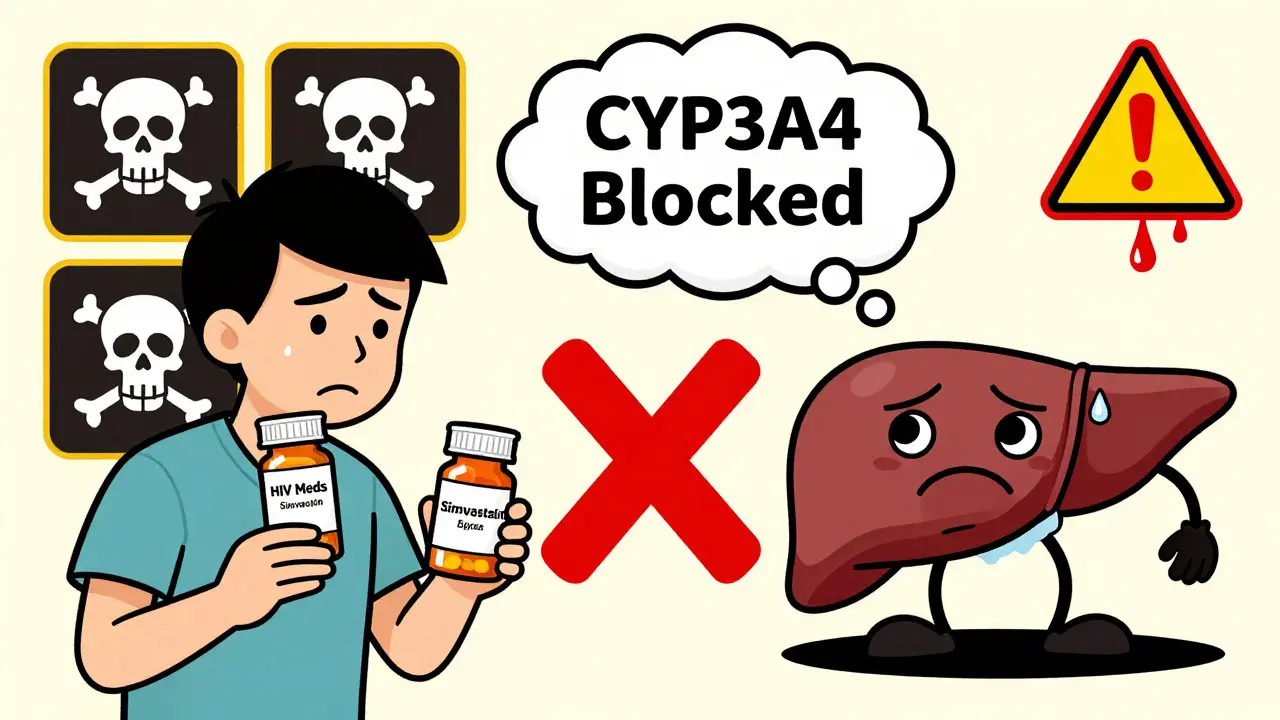
Combining HIV medications with statins can be safe-but only if you know which ones to use and how to dose them. Avoid simvastatin and lovastatin. Pitavastatin and pravastatin are safest. Always check interactions before starting any new drug.
full article
Medical alert bracelets save lives by giving emergency responders critical drug safety info when you can't speak. They prevent deadly medication errors, especially for those on blood thinners or with severe allergies.
full article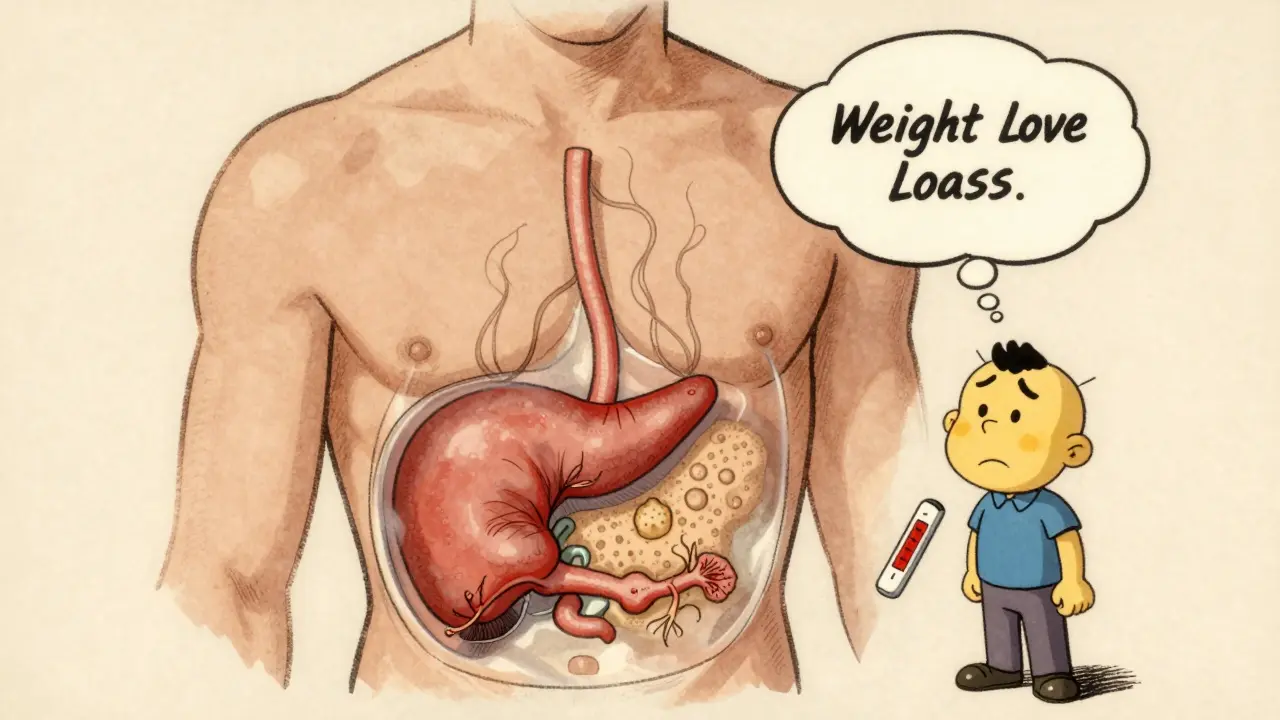
Pancreatic cancer often shows no early symptoms, but signs like unexplained weight loss, new-onset diabetes, jaundice, and persistent back pain can be clues. Advances in treatment, including FOLFIRINOX chemotherapy and targeted therapies, are improving survival for those diagnosed early.
full article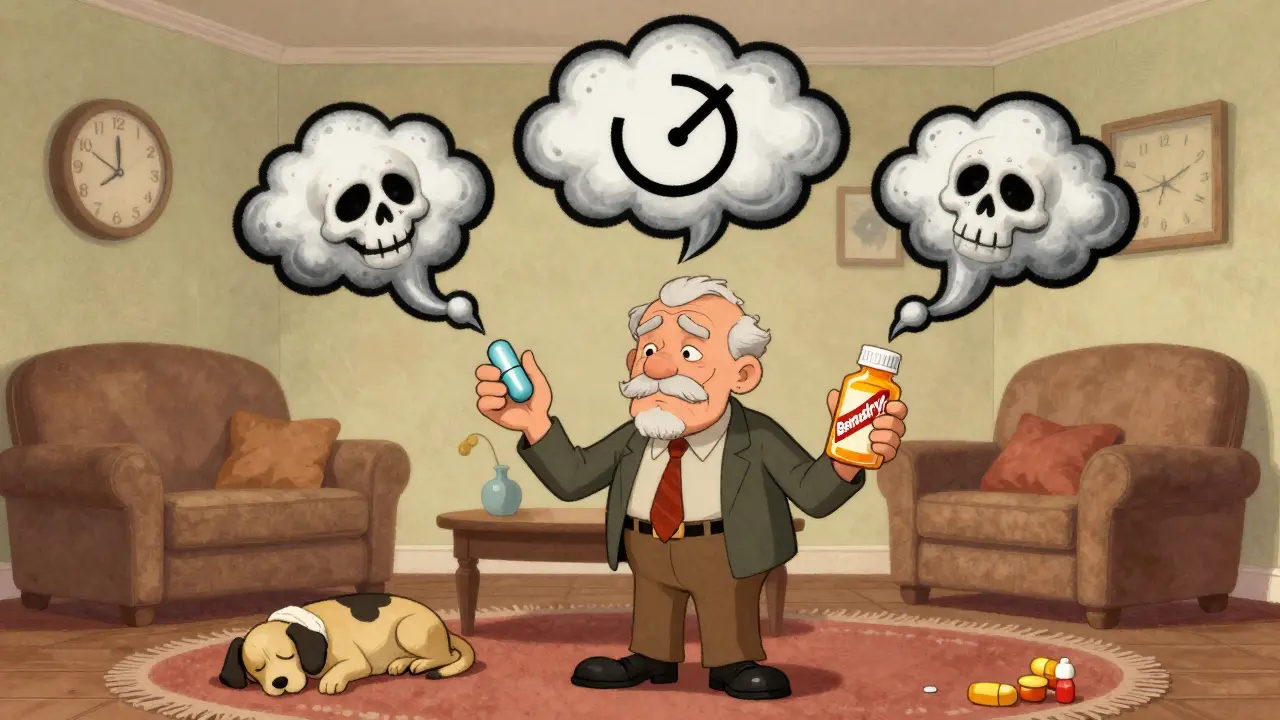
Combining opioids with antihistamines like Benadryl can cause dangerous sedation and breathing problems-even death. Learn who’s at risk and how to stay safe.
full article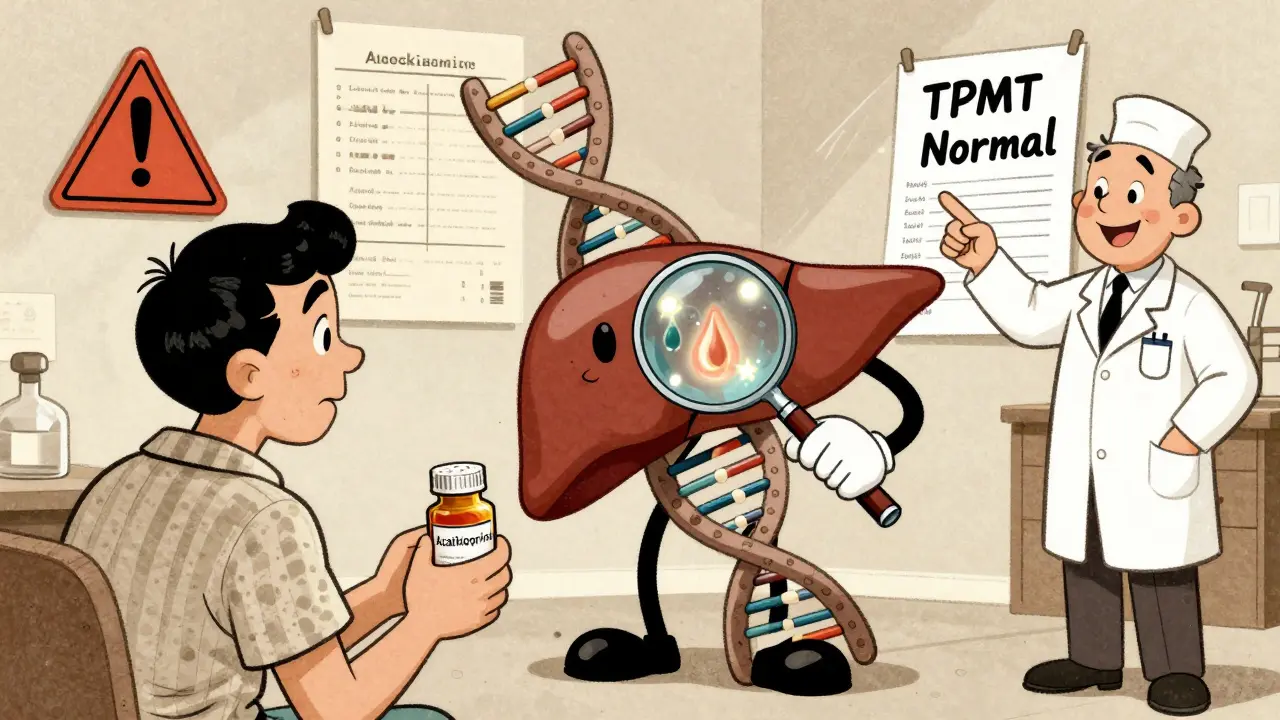
TPMT testing before starting azathioprine can prevent life-threatening drops in blood cell counts. Learn how genetic screening helps tailor dosing and avoid severe side effects in autoimmune and transplant patients.
full article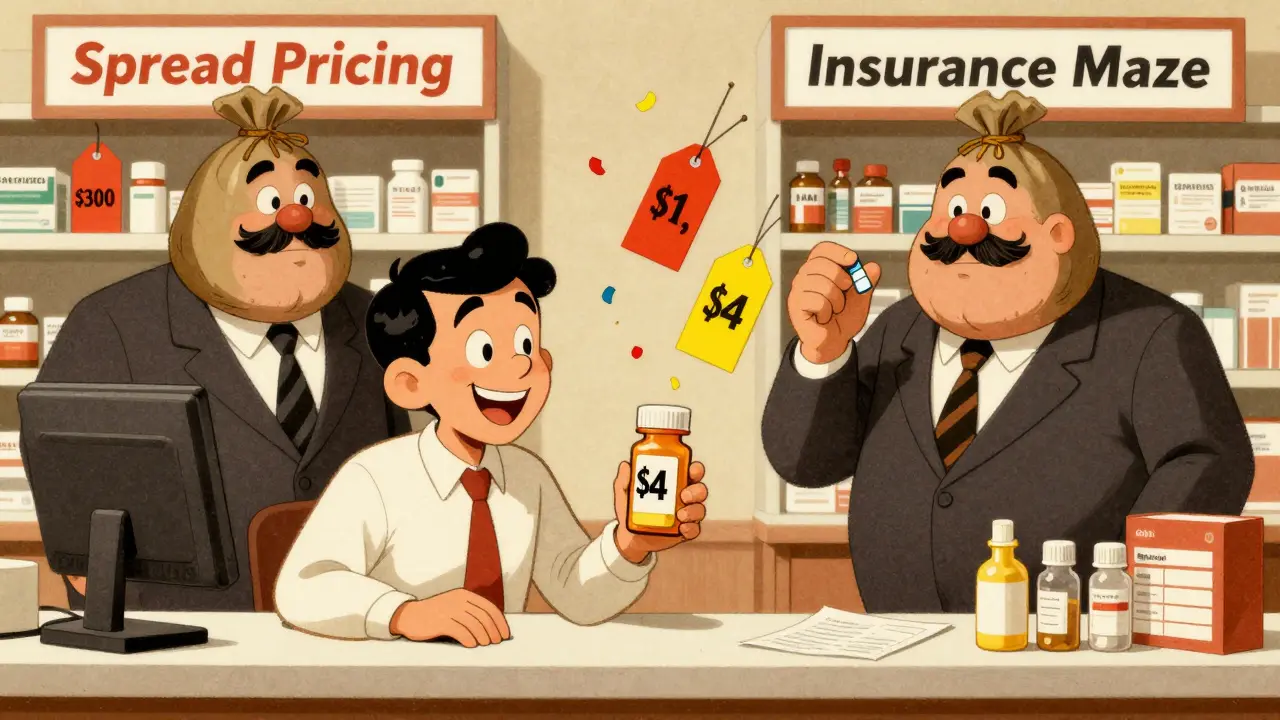
Generic drug price wars can slash prescription costs by over 95%, but hidden middlemen often block savings. Learn how to actually save money on generics by comparing cash prices, using tools like GoodRx, and understanding how competition affects your bill.
full article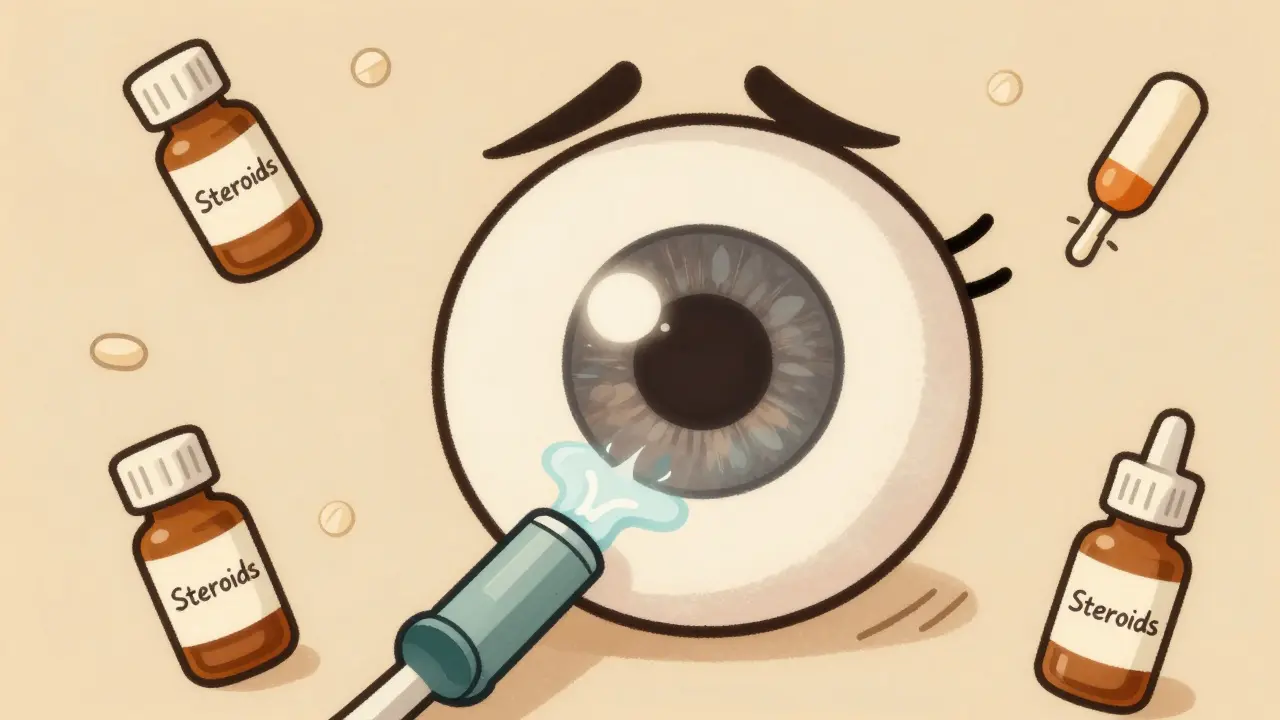
Long-term steroid use can cause serious eye damage, including cataracts and glaucoma-often without symptoms. Learn how to spot the risks early and protect your vision.
full article
Time-released melatonin doesn't fix jet lag - it makes it worse. Learn why immediate-release melatonin, timed correctly with light exposure, is the only proven way to reset your body clock after long flights.
full article