When your blood clots too easily, it can lead to strokes, heart attacks, or deadly pulmonary embolisms. That’s where anticoagulation therapy, a medical treatment designed to slow down blood clotting to prevent life-threatening events. Also known as blood thinning treatment, it doesn’t actually thin your blood—it changes how clotting factors work inside your body. This isn’t optional for people with atrial fibrillation, deep vein thrombosis, or mechanical heart valves. Skip it, and your risk of clotting skyrockets. Take it wrong, and you could bleed out from a simple cut.
Anticoagulation therapy isn’t one-size-fits-all. warfarin, a long-standing oral anticoagulant that requires regular blood tests to track its effect is still widely used, but newer drugs like apixaban and rivaroxaban don’t need frequent monitoring. Still, even these newer options can go wrong if mixed with common meds. Antibiotics, painkillers, and even some herbal supplements can spike your bleeding risk. That’s why INR monitoring, a blood test that measures how long it takes your blood to clot is critical for anyone on warfarin. A normal INR is 2 to 3 for most people on anticoagulation therapy. Go above 4, and you’re at serious risk of internal bleeding. Drop below 2, and clots start forming again.
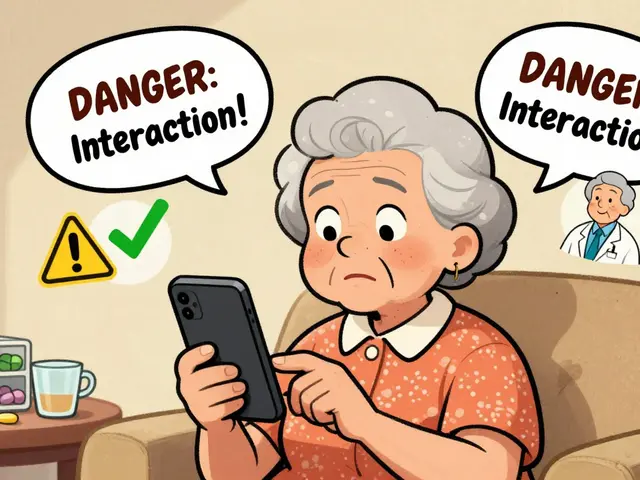
Many people don’t realize how easily anticoagulation therapy can be disrupted. A single course of antibiotics can throw your INR off track—sometimes within days. That’s why the posts below cover real-world issues: how antibiotics affect warfarin, what happens when you miss a dose, why some people bleed after minor injuries, and how to tell if your symptoms are from the therapy itself or something else. You’ll also find practical advice on managing side effects, avoiding dangerous interactions, and understanding why some patients do better on one drug than another. This isn’t theory. These are the problems people face every day while trying to stay safe on blood thinners.

Learn how INR monitoring keeps blood thinners like warfarin safe and effective. Understand target ranges, testing frequency, home devices, and what to do when your numbers are off.
full article