When you're on warfarin, a blood thinner used to prevent dangerous clots, your doctor tracks something called the INR range, a standardized measure of how long it takes your blood to clot. This number isn’t just a lab result—it’s your safety buffer. Too low, and you risk a stroke or pulmonary embolism. Too high, and a minor cut could turn into a life-threatening bleed. The typical target is between 2.0 and 3.0 for most people, but it can shift based on your condition—like atrial fibrillation, a mechanical heart valve, or deep vein thrombosis.
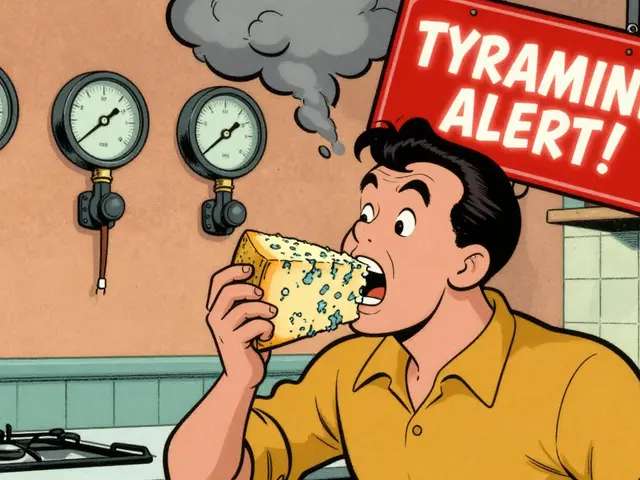
What most people don’t realize is that everyday things can throw your INR range off track. Antibiotics, especially those like ciprofloxacin or metronidazole, can make warfarin stronger, causing your INR to spike. Even something as simple as switching from one generic brand to another can cause changes, because small differences in how the drug is absorbed add up over time. Your liver, which processes both warfarin and many supplements, can get overwhelmed if you start taking black cohosh, an herbal remedy often used for menopause, or stop eating your usual amount of leafy greens. Vitamin K in those greens directly opposes warfarin’s effect, so sudden changes in diet can mess with your numbers without you even noticing.
It’s not just about the pills you take—it’s about how everything interacts. A cold medicine with decongestants, an over-the-counter painkiller like ibuprofen, or even a new supplement like fish oil can nudge your INR higher. That’s why regular blood tests aren’t optional—they’re your early warning system. If your INR climbs above 4.5, your doctor might hold your next dose or give you vitamin K to bring it down fast. If it drops below 1.5, your risk of clotting goes up, and you might need a higher dose. There’s no one-size-fits-all number, but staying in your target range means fewer hospital visits, less fear of bleeding, and more control over your health.
What you’ll find below are real, practical guides from people who’ve been there—how antibiotics spike INR, why timing matters with magnesium or osteoporosis meds, how herbal supplements quietly interfere, and what to do when your numbers don’t make sense. These aren’t theory pages. They’re the kind of advice you wish you’d heard before your INR went sideways.
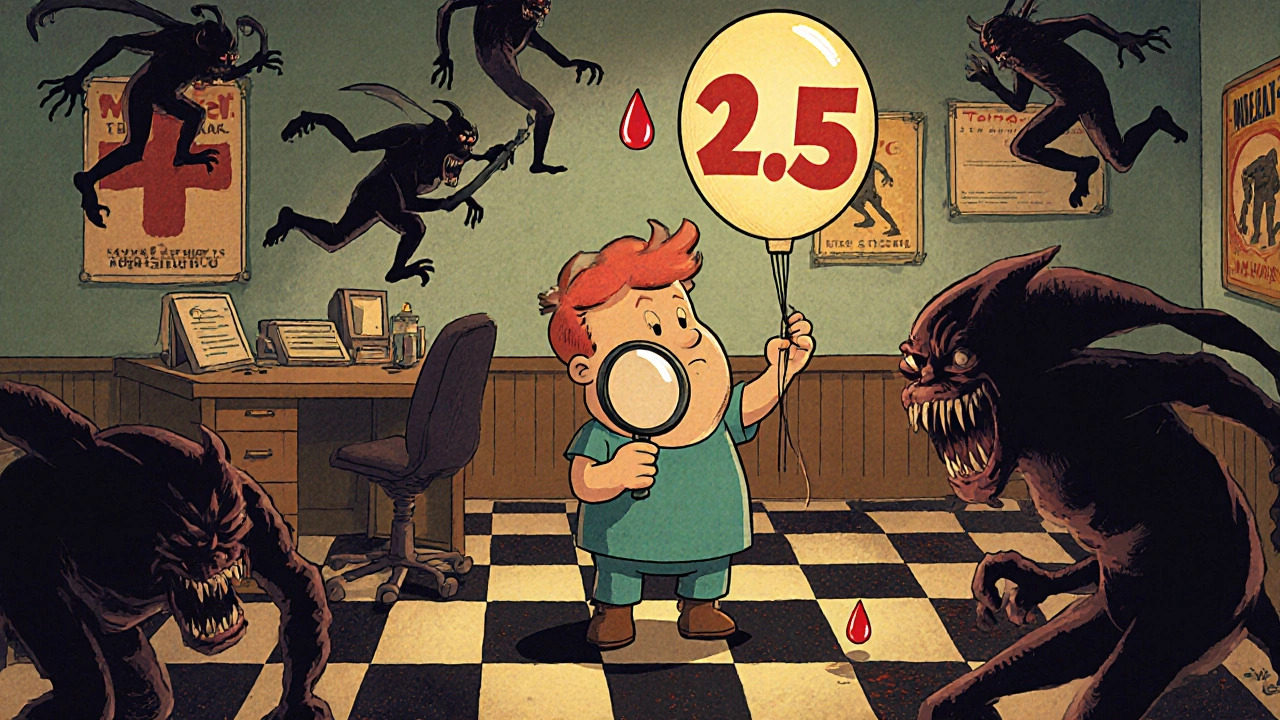
Learn how INR monitoring keeps blood thinners like warfarin safe and effective. Understand target ranges, testing frequency, home devices, and what to do when your numbers are off.
full article