When you take warfarin, a blood thinner used to prevent dangerous clots in people with atrial fibrillation, artificial heart valves, or deep vein thrombosis. Also known as Coumadin, it’s one of the most commonly prescribed anticoagulants—but it’s also one of the trickiest to manage safely. Warfarin doesn’t work the same for everyone. Your body’s response depends on your genetics, diet, other meds, and even changes in your liver function. That’s why tracking your INR, a lab test that measures how long it takes your blood to clot is non-negotiable. A normal INR for someone on warfarin is usually between 2.0 and 3.0. Go below that, and clots become a real threat. Go above, and you risk spontaneous bleeding—even from a minor bump or nosebleed.
Many things can throw your warfarin levels off balance. antibiotics, like amoxicillin or ciprofloxacin, are the most common culprits. They interfere with how your liver breaks down warfarin, causing INR to spike overnight. Even vitamin K-rich foods, like kale, spinach, or broccoli can lower your INR if you suddenly eat more than usual. And it’s not just prescriptions—some supplements, herbal teas, and over-the-counter painkillers can also mess with your levels. That’s why every new medication, even a simple cold pill, needs to be checked before you take it.
Most people on warfarin get their INR tested every 2 to 4 weeks, but some need it more often—especially when starting, after a dose change, or if they’re sick. You can’t guess your levels. Feeling fine doesn’t mean your INR is safe. And if you miss a dose, don’t just double up the next day. That’s how emergencies start. The key is consistency: same time every day, same diet, same meds, same routine. Small changes add up fast.
What you’ll find in the posts below are real-world stories and facts about how warfarin interacts with other drugs, how to spot warning signs before things go wrong, and what to do when your INR suddenly climbs or drops. You’ll see exactly which antibiotics are riskiest, how to handle missed doses without panic, and why some people need more frequent testing than others. This isn’t theory—it’s what actually happens in clinics, pharmacies, and patients’ homes every day.
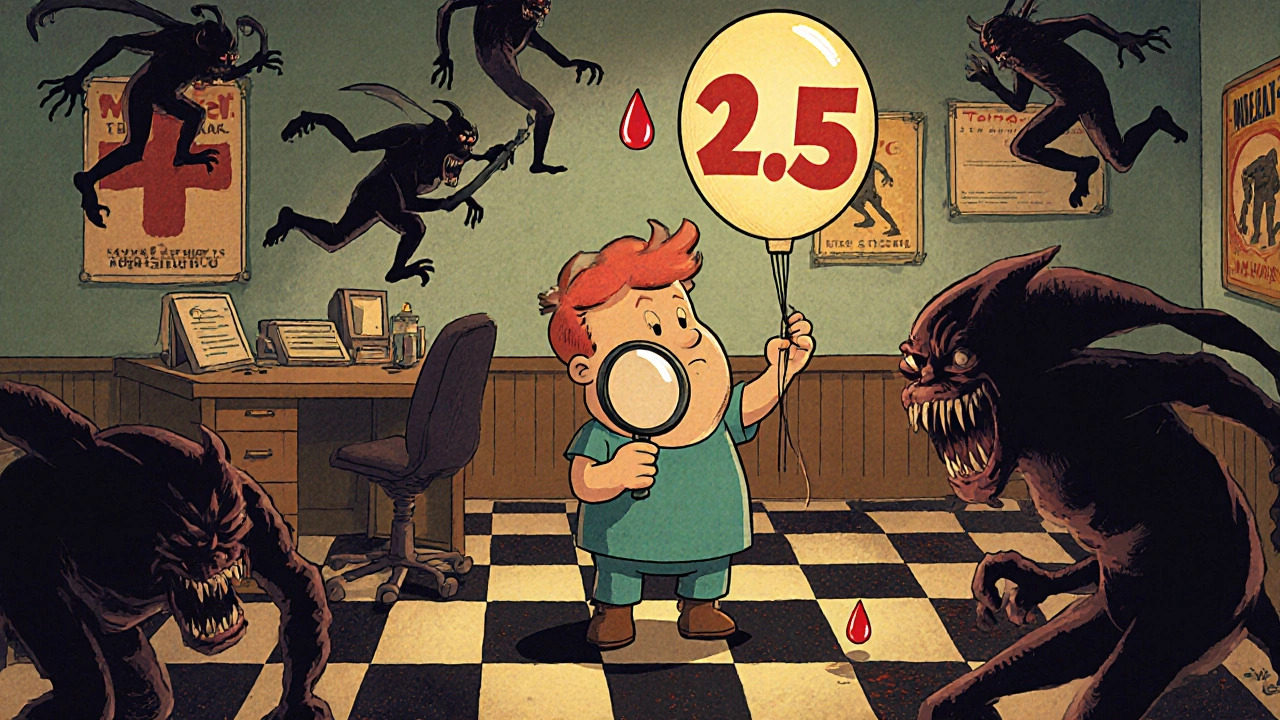
Learn how INR monitoring keeps blood thinners like warfarin safe and effective. Understand target ranges, testing frequency, home devices, and what to do when your numbers are off.
full article