
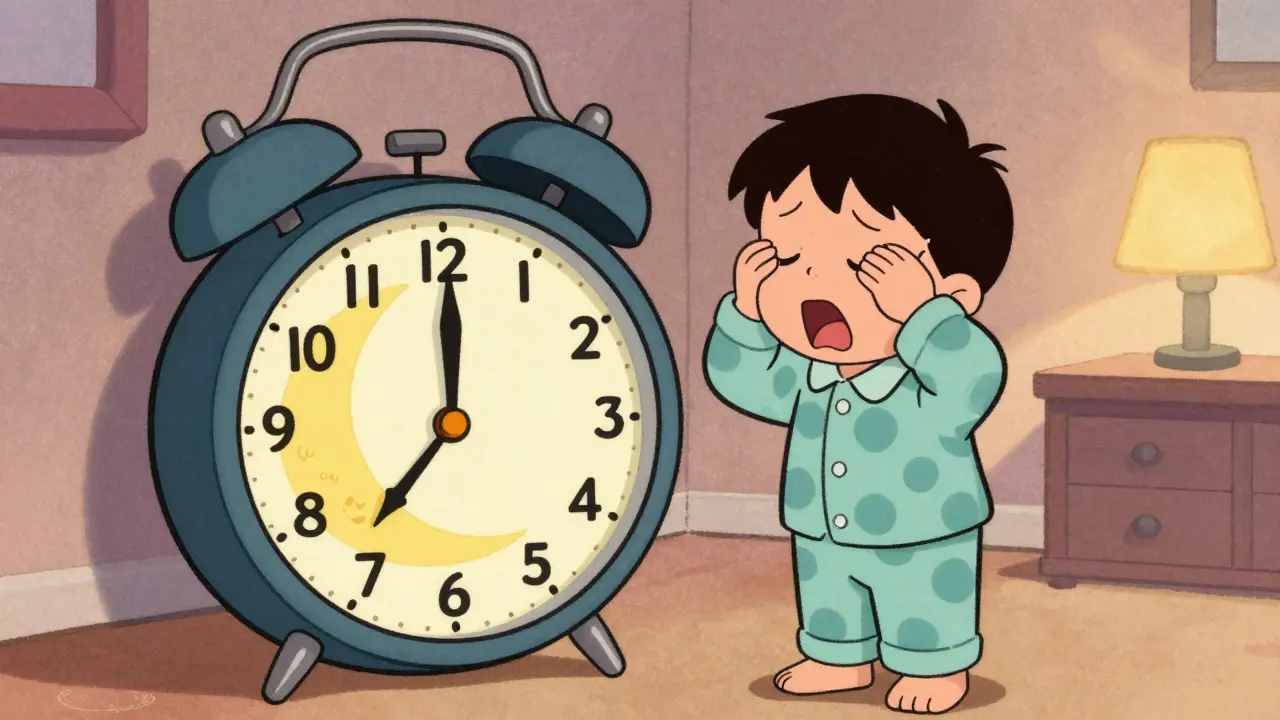
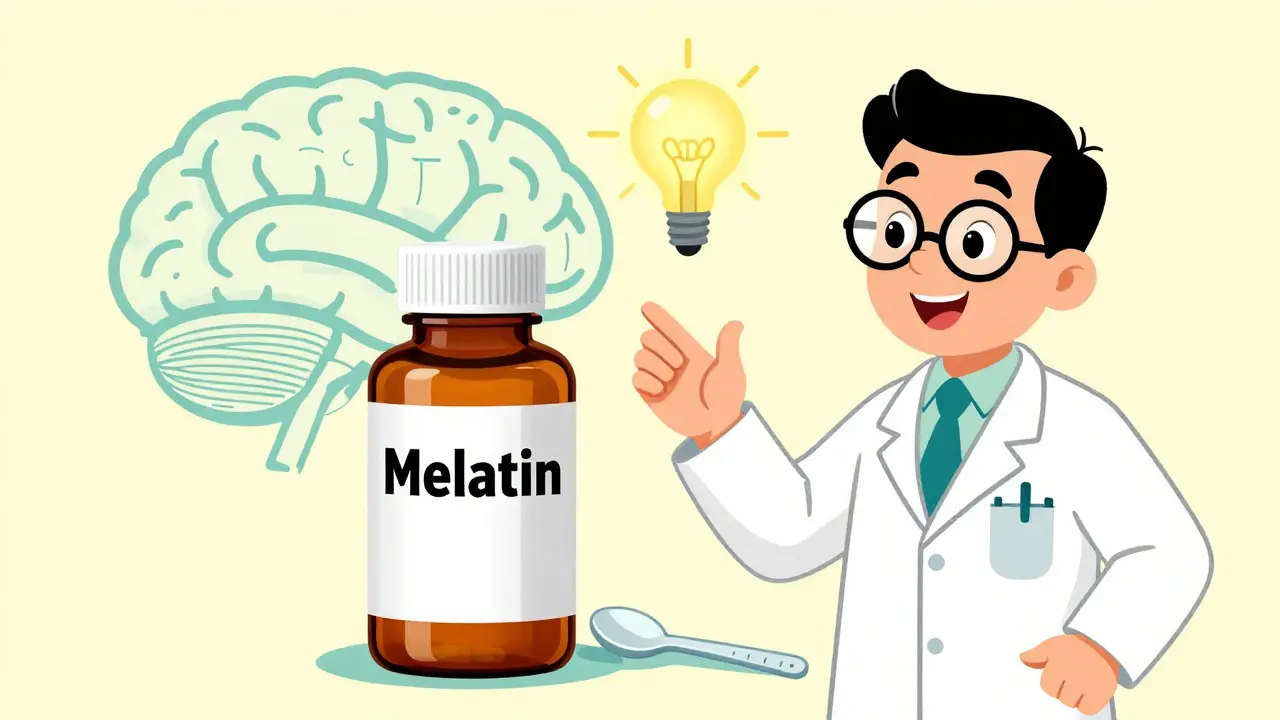
It sounds like a dream: a simple gummy or syrup that helps your child finally drift off to sleep without the nightly battle. But when you look at the labels of over-the-counter sleep aids, the numbers can be confusing, and the advice seems to shift depending on who you ask. Is a natural hormone really safe for a developing brain? While Melatonin is a naturally occurring hormone produced by the pineal gland that regulates the sleep-wake cycle , using it as a supplement is a different story. For most kids, the goal isn't just to "knock them out," but to gently nudge their internal clock into alignment. This guide breaks down the current medical consensus on using melatonin for children, the risks of overdosing, and why your bedtime routine still matters most.
The Big Picture: Supplement or Medication?
Depending on where you live, you'll find melatonin in very different places. In the US, it's sold as a dietary supplement, which means it doesn't go through the same rigorous FDA approval process as a drug. In the UK and many parts of Europe, it is a prescription-only medication. This gap is a problem because, as a 2022 study in JAMA Network Open revealed, the actual amount of melatonin in a bottle often doesn't match what the label claims. Some products had significantly more or less than advertised, which is risky when you're trying to be precise with a child's dose.
Medical groups like the American Academy of Pediatrics a leading professional association of pediatricians in the United States (AAP) suggest we treat melatonin as a medication rather than a benign vitamin. While it's generally safe for short-term use under a doctor's eye, we still don't have enough long-term data to know how it affects a child's natural hormone development over several years.
Understanding Dosage and Timing
There is no single "perfect" dose because every child's chemistry is different. However, the general rule among specialists is to start with the lowest possible dose and only increase it if it doesn't work. Most children respond just as well to 1mg as they do to 5mg, and higher doses can actually lead to more grogginess the next morning.
| Age Group | General Range | Clinical Suggestion (Low End) | Maximum Suggested |
|---|---|---|---|
| Preschool (3-5 years) | 1 - 3 mg | 0.3 - 1 mg | 3 mg |
| School-age (6-12 years) | 1 - 5 mg | 1 - 3 mg | 5 mg |
| Adolescents (13-18 years) | 1 - 10 mg | 1 - 5 mg | 12 mg |
Timing is just as important as the dose. To mimic the body's natural release of the hormone, most experts recommend giving melatonin 30 to 60 minutes before the desired bedtime. Some specialists, such as those at Children's Colorado, suggest a window of 30 to 90 minutes. If you give it too late, your child might struggle to wake up the next morning; if you give it too early, they might have a "second wind" before the actual bedtime.
When Melatonin is Most Helpful: Special Needs
For a neurotypical child, melatonin is often a temporary fix for jet lag or a disrupted summer schedule. However, for children with Autism Spectrum Disorder (ASD) or Attention-deficit/hyperactivity disorder (ADHD) , the use case is different. These children often have biological difficulties producing melatonin or regulating their circadian rhythms.
In these cases, pediatric neurologists often support longer-term use. While the general advice for most kids is to limit use to two or three weeks, children with neurodevelopmental disorders may take it nightly. The American Academy of Sleep Medicine (AASM) notes that for these specific populations, the benefits of getting quality sleep-which improves behavior, learning, and mood-usually far outweigh the theoretical risks of long-term supplement use.
Red Flags and Safety Warnings
Melatonin isn't without risks. The biggest danger is actually the ease of access. Because it often comes in tasty gummies, kids may mistake them for candy. An overdose in a child can lead to serious symptoms, including vomiting, a rapid heart rhythm, and low blood pressure. If you suspect your child has taken too much, contact emergency services immediately.
Age is another critical factor. Most pediatricians strongly advise against using melatonin for children under age 3. At this stage, sleep struggles are usually related to developmental milestones or habits that can be fixed without medication. Adding a hormone supplement to a toddler's system is generally unnecessary and not recommended.
If you are buying over-the-counter in the US, look for the USP Verified Mark on the bottle. This indicates that a third-party lab has verified that the ingredients on the label are actually what's inside the pill, protecting you from the dosing inconsistencies found in many generic brands.

The "Sleep First" Approach: Hygiene Over Hormones
Before reaching for the bottle, it's worth asking: is this a medical problem or a habit problem? Many sleep issues can be solved by changing the environment. This is known as Sleep Hygiene a variety of different practices and habits that areNecessary to have good sleep . If a child is scrolling on a tablet or playing a video game right before bed, the blue light from the screen suppresses their natural melatonin production.
Try these steps first for at least two weeks:
- The Digital Sunset: Turn off all screens (phones, iPads, TVs) 60 minutes before bed.
- Consistency: Wake up and go to bed at the same time every day, even on weekends.
- Cool and Dark: Keep the bedroom slightly cool and use blackout curtains to signal to the brain that it's nighttime.
- Low-Stimulation Wind-down: Swap the tablet for a physical book or a calm conversation.
Melatonin should be the "last resort" tool used after these habits are firmly in place. It is a supplement to a good routine, not a replacement for one.
Is melatonin addictive for children?
There is no evidence that melatonin is addictive in the way that sedative drugs are. However, children can develop a psychological dependence on it, where they feel they "can't" fall asleep without it. This is why doctors recommend short-term use and a gradual weaning process.
Can I give melatonin to my infant?
Generally, no. Most healthcare providers advise against melatonin for children under 3. Infants have very different sleep needs and patterns; sleep issues at this age are usually handled through behavioral training and routine rather than supplements.
What is the safest form of melatonin for kids?
The "safest" form is the one that provides the most accurate dose. Liquid versions often allow for more precise dosing (e.g., 0.5mg), whereas gummies can vary wildly in strength. Always look for USP-verified products to ensure quality.
Will melatonin interfere with other medications?
Yes, it can. Melatonin may interact with blood thinners, diabetes medications, and some immunosuppressants. This is exactly why you must consult a pediatrician before starting any new supplement.
How do I know if the dose is too high?
Common signs of a dose that is too high include extreme grogginess the next morning, vivid nightmares, or bedwetting in children who were previously dry. If these occur, talk to your doctor about lowering the dose.
Next Steps for Parents
If your child is struggling to sleep, start a 14-day sleep diary. Note what time they go to bed, what they did in the hour before, and how long it took them to fall asleep. Take this diary to your pediatrician. This gives the doctor concrete data to decide if a medical intervention like melatonin is necessary or if a simple change in the bedroom environment will do the trick.


The point about the USP Verified Mark is absolutely critical. I've seen so many parents buy generic store brands and have no idea that the actual dosage varies wildy from gummy to gummy. It's always better to go with a liquid formulation if you can, as it allows for much finer adjustments in dosage, especially for toddlers on the older end of the spectrum. Also, keep in mind that the 'digital sunset' isn't just about blue light; it's about the dopamine spikes from gaming or social media that keep a child's brain wired and alert regardless of the light.