When you hear brand-name drugs, the original versions of medications developed and marketed by pharmaceutical companies under a patent. Also known as innovator drugs, they’re the first to hit the market after years of research and clinical trials. These are the pills you see advertised on TV, prescribed by your doctor, and often the first option your pharmacy offers. But they’re not the only option—and understanding them is key to making smarter, cheaper, and safer choices.
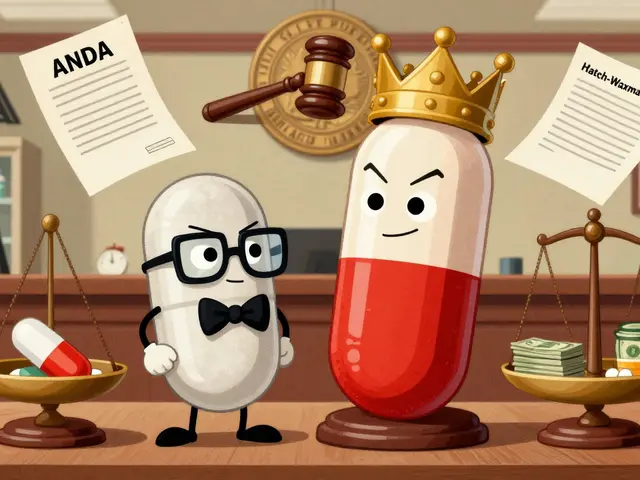
Generic drugs, chemically identical versions of brand-name drugs sold after the patent expires. Also known as bioequivalent medications, they work the same way, in the same dose, with the same risks and benefits. The FDA requires them to meet the same standards as the original. So why do brand-name drugs cost 10 to 20 times more? It’s not because they’re better—it’s because the company spent millions developing them and needs to recoup that cost before competitors can copy the formula. Once the patent runs out, generics flood the market, and prices drop fast. But not everyone switches. Some people stick with the brand because they’ve had bad experiences with generics, or their doctor recommends it for complex conditions like epilepsy or thyroid disorders.
There’s also bioequivalence, the scientific proof that a generic drug performs the same in the body as the brand-name version. It’s not a guess—it’s tested in real people through blood level studies. Most generics pass with flying colors. But occasionally, tiny differences in fillers or coatings can cause issues for sensitive patients, especially with narrow-therapeutic-index drugs like warfarin or lithium. That’s why some doctors prefer to keep you on the same brand or generic manufacturer consistently. It’s not about loyalty—it’s about stability.
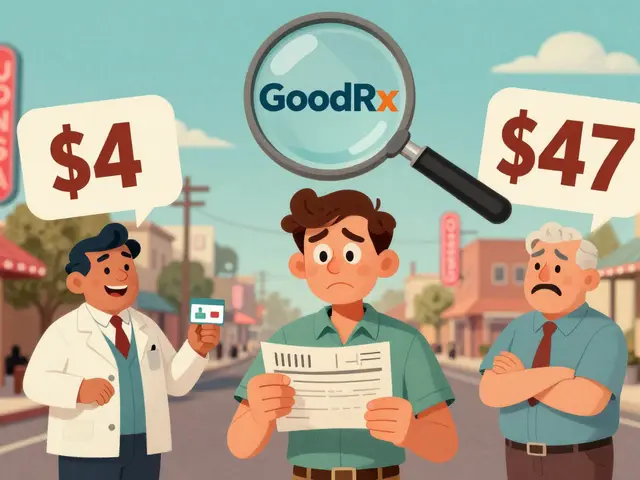
And then there’s the cost. If you’re paying $300 a month for a brand-name drug and your doctor says a generic is available, ask why. Is it because the generic hasn’t been approved yet? Or because your insurance won’t cover it? Sometimes, it’s just inertia—doctors don’t always update their prescribing habits. But you can. Check your prescription label. Look up the active ingredient. Ask your pharmacist if there’s a cheaper version. You might save hundreds without losing effectiveness.
Brand-name drugs aren’t bad. They’re often the breakthrough that saves lives. But they’re not always necessary. Many people assume the original is safer or stronger, but that’s a myth. The truth? Most generics are just as good. The real question isn’t whether generics work—it’s whether you’re paying more than you need to.
Below, you’ll find real-world guides on how brand-name drugs interact with supplements, why some people do better on the original, when switching generics can backfire, and how to spot the hidden risks in your medicine cabinet. These aren’t theoretical articles—they’re based on actual patient experiences, FDA data, and clinical studies. Whether you’re on a high-cost medication or just trying to save money, this collection gives you the facts you need to make the right call.
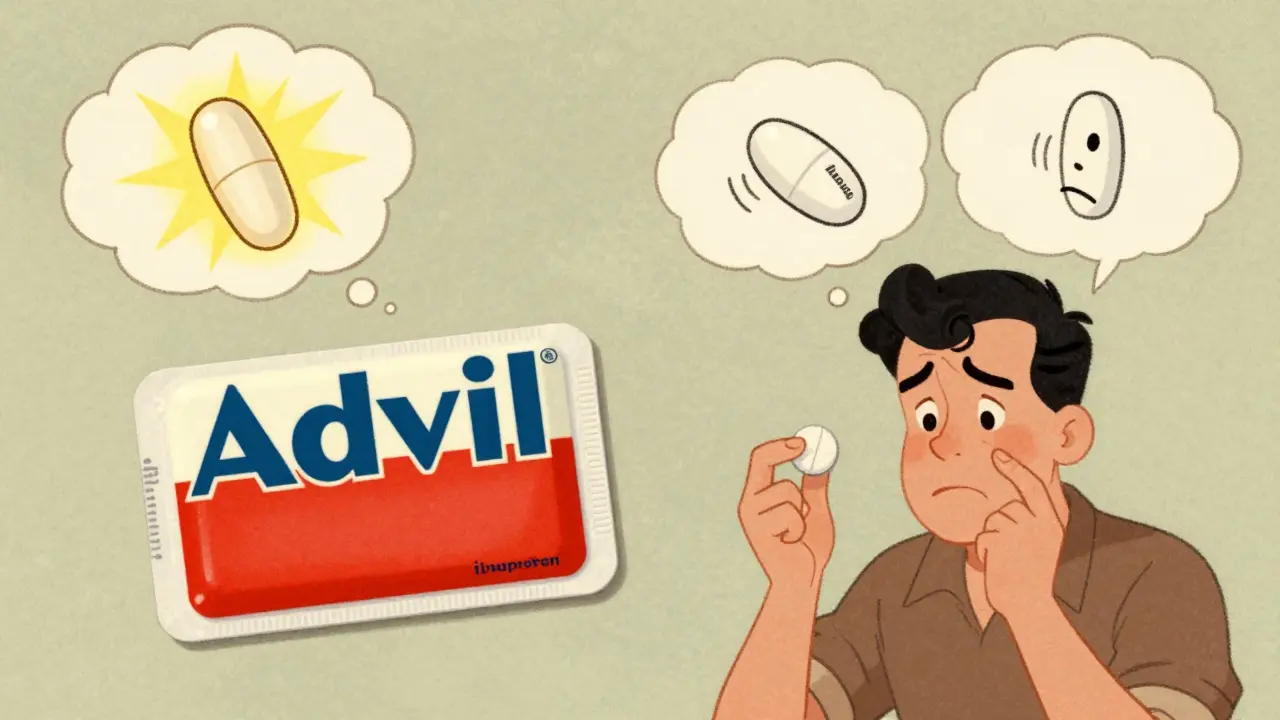
Generic drugs save billions, but many patients believe they don't work as well. Research shows the label itself changes how people feel and respond - even when the drug is identical. Here's what's really happening.
full article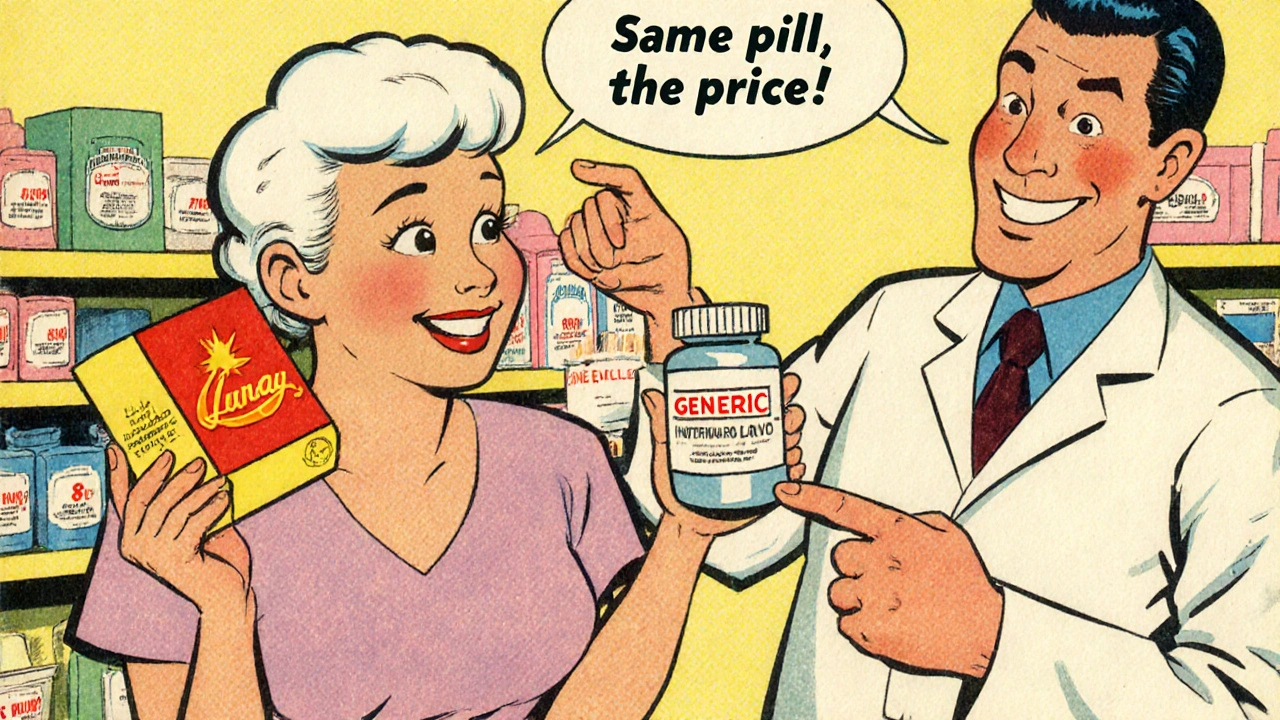
Many patients switch to generics without knowing the difference between authorized and traditional versions. Authorized generics are identical to brand-name drugs, made by the same company. Here’s what people actually prefer-and why.
full article