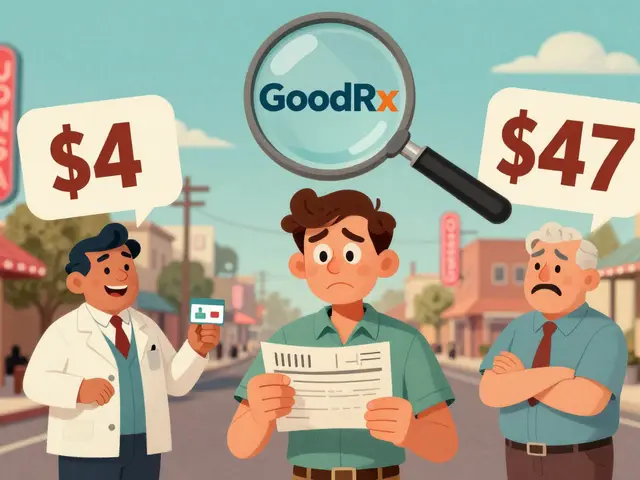
When you pick up a prescription, drug costs, the price you pay for medications, which can vary wildly even for the same drug depending on where you live, who makes it, and how it's covered. Also known as medication pricing, it's not just about the pill—it's about the system behind it. You might think a brand-name drug and its generic version are the same, but the difference in price can be huge, and not always because of quality.
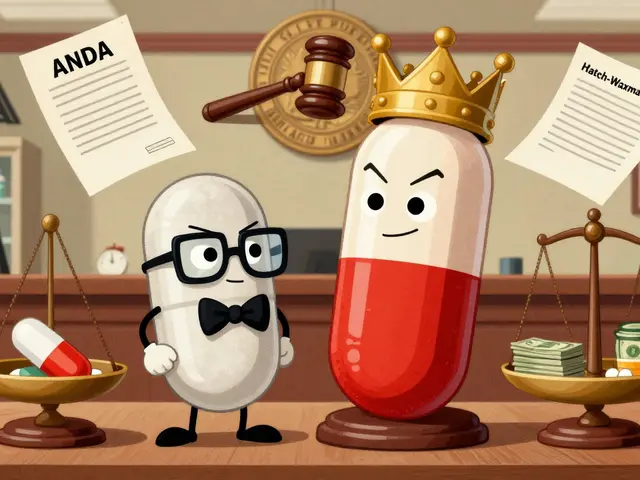
Many people don’t realize that generic medications, copies of brand-name drugs that contain the same active ingredients and work the same way, but are often far cheaper. Also known as generic drugs, they're not knockoffs—they’re exact copies approved by health regulators. Yet, some patients still stick with the brand, not because it works better, but because they don’t know the difference. And that’s where brand-name drugs, original medications developed and marketed by pharmaceutical companies under a patent, often priced much higher than generics. Also known as originator drugs, they’re the ones that get all the advertising and loyalty come in. A pill made by the same company as the brand, sold under a generic label, can cost 80% less. That’s not marketing—that’s savings.
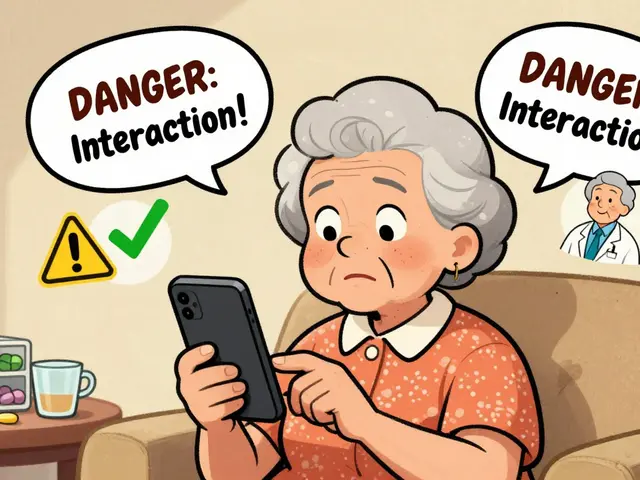
But drug costs aren’t just about brand vs. generic. They’re also tied to how your insurance works, what pharmacy you use, and even when you refill. Some prescriptions have refill-by dates that force you to pay again before you’re out, while others expire early and leave you stuck. And then there are the hidden costs: drug interactions that make your treatment fail, or side effects that send you back to the doctor. A $50 pill might cost you $500 if it messes up your other meds. That’s why understanding drug interactions, how one medication affects another, sometimes dangerously. Also known as medication interactions, they’re not just warnings on a label—they’re financial and health risks matters just as much as the price tag.
What you’ll find below isn’t a list of prices. It’s a collection of real stories and facts about how drug costs play out in everyday life. From why authorized generics are identical to brand-name pills, to how antibiotics can spike your blood thinner levels and cost you more in hospital visits, these posts cut through the noise. You’ll learn how to spot when you’re overpaying, when switching generics is safe, and how to avoid mistakes that make your meds less effective—or more expensive. This isn’t about theory. It’s about what actually changes your bill and your health.
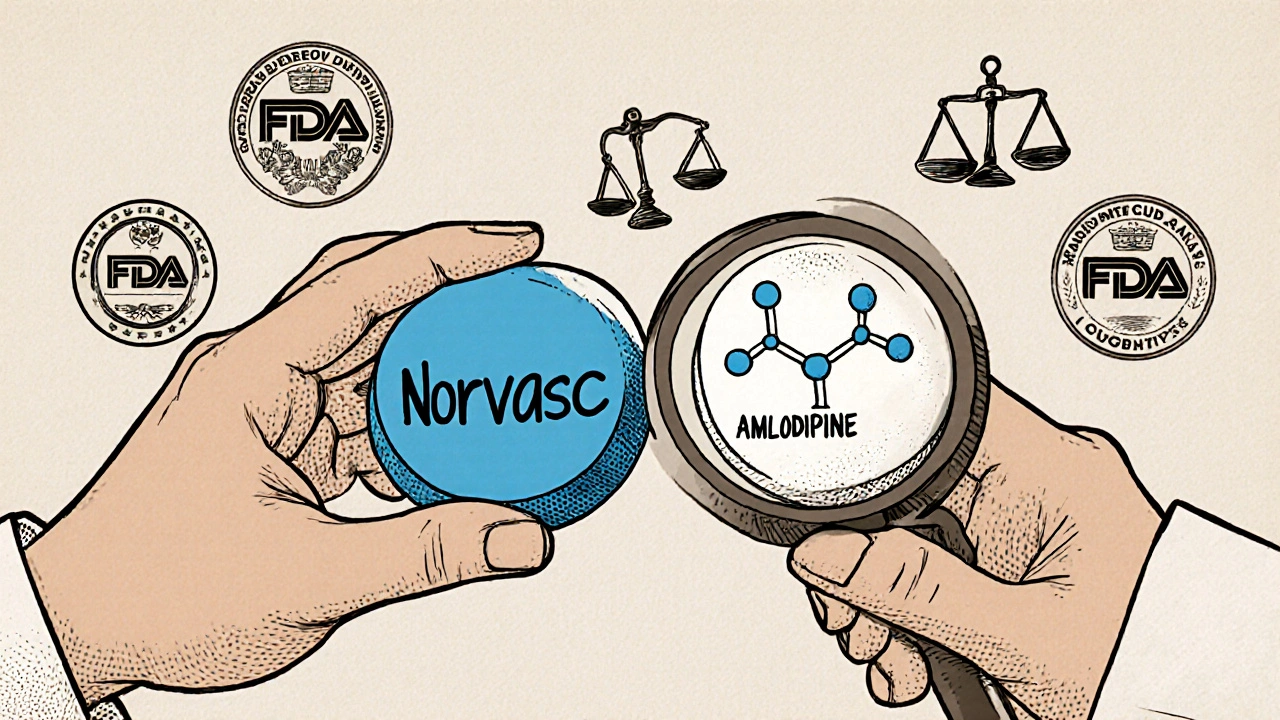
Generic drugs are not copies - they're scientifically proven equivalents to brand-name medications. Learn how they work, why they cost less, and when you should stick with the original.
full article