Ever wondered why a medication that is cheap and easy to find in one country is suddenly expensive or completely unavailable in another? If you've ever traveled and tried to fill a prescription, you might have noticed that the "same" drug looks different or costs way more depending on where you are. This isn't just a fluke of geography; it's the result of a complex web of patents, government rules, and manufacturing hubs that dictate generic drug availability across the globe.
For those who aren't in the loop, Generic Drugs are pharmaceutical products that contain the same active ingredients as brand-name drugs but are sold at a lower price after the original patent expires. While the idea is simple-cheaper medicine for everyone-the reality is that your access to these drugs depends heavily on which border you're standing behind.
The Great Divide: Who Actually Uses Generics?
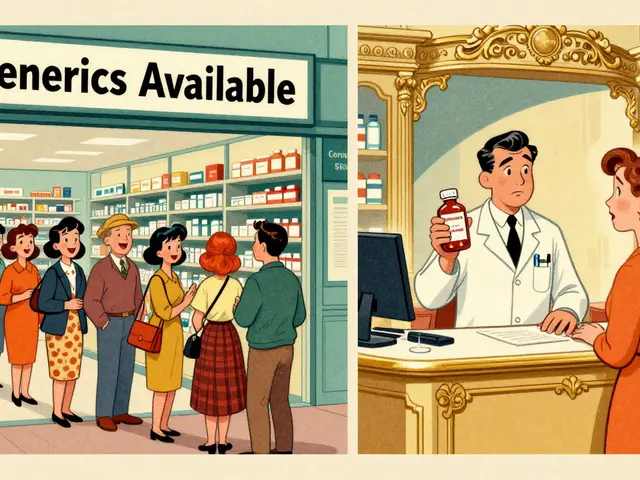
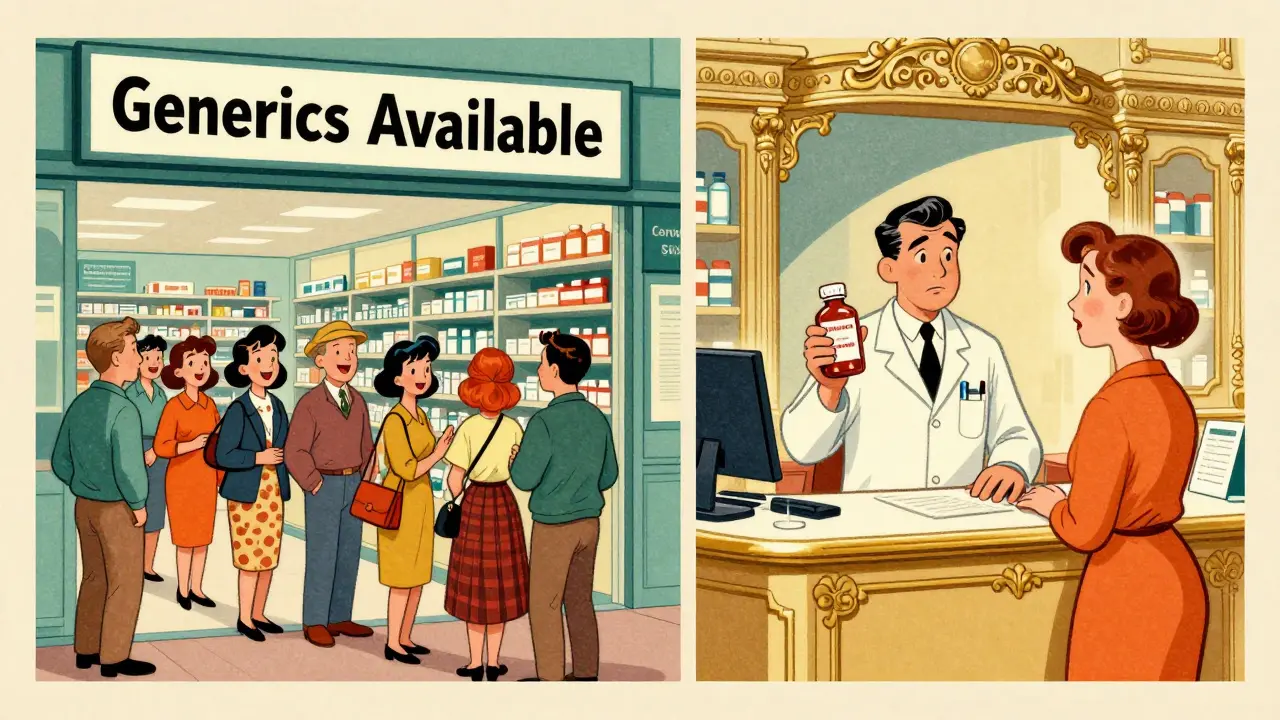
You'd think that every country would jump at the chance to save money with generics, but that's not the case. The gap in utilization is staggering. Take the United Kingdom and Switzerland, for example. In the UK, about 83% of prescriptions are filled with generics. Meanwhile, in Switzerland, that number drops to just 17%. Why the difference? It usually comes down to how the government handles reimbursement and whether doctors are pressured or encouraged to switch patients to cheaper versions.
The United States is a bit of a paradox. On one hand, it has one of the highest generic utilization rates in the world, often exceeding 90% for certain classes of drugs. On the other hand, the US often pays significantly more for those same generics than other OECD countries. It's a weird system where we use the "cheap" version of the drug, but the price is still higher than the brand-name version in some European nations.
| Region/Country | Generic Utilization Rate | Market Characteristic |
|---|---|---|
| United States | Over 90% | High volume, high pricing volatility |
| United Kingdom | ~83% | Strong mandatory substitution |
| Germany | ~80% | High physician pressure to prescribe generics |
| Switzerland | ~17% | High preference for originator brands |
| Italy | ~19% | Slower adoption of generic substitution |
The "Pharmacy of the World": India's Massive Role
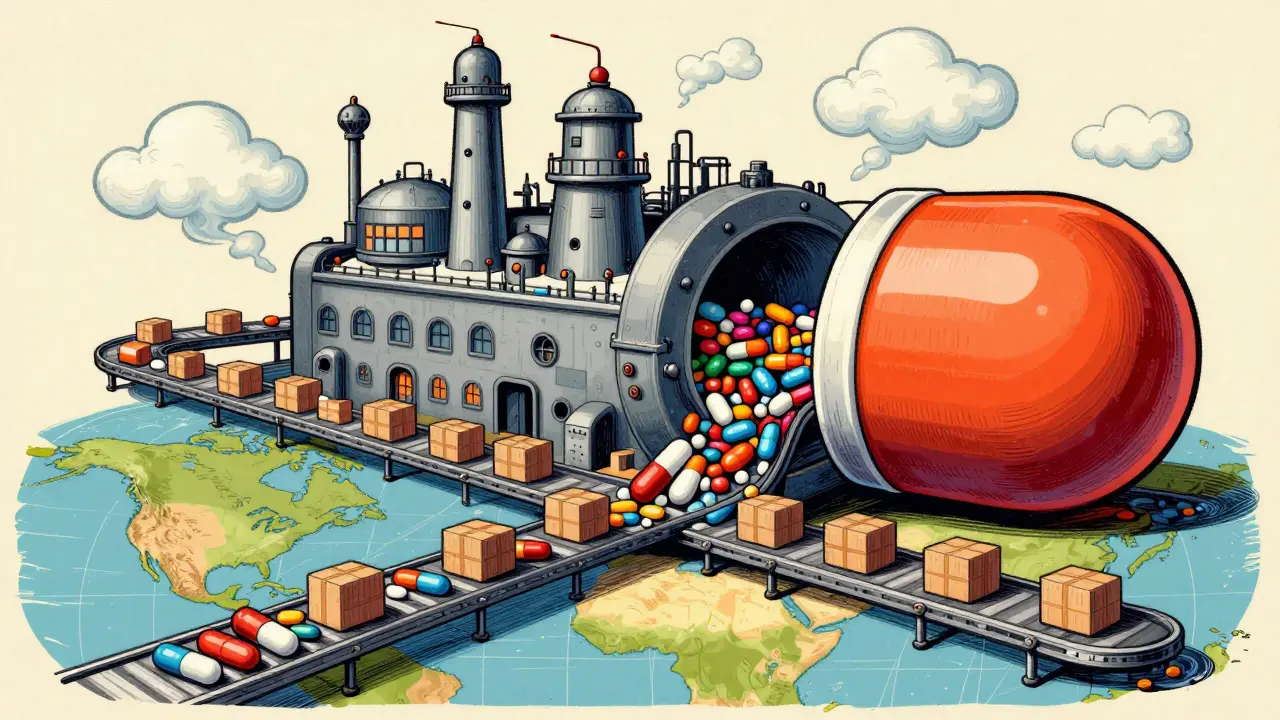
If you take a generic pill today, there is a very high chance it was made in India. India is essentially the global engine for generic production, creating about 20% of the world's generic drug volume. In the US alone, 40% of the generics consumed are manufactured there, supported by over 750 FDA-approved facilities.
But this dominance comes with a trade-off. Because India produces at such a massive scale to keep costs low, quality control can be a gamble. Some studies have pointed out that generics from India can have higher rates of severe adverse events compared to those made in the US, particularly for older, low-margin drugs where manufacturers are cutting corners to stay profitable. This creates a tricky balance for patients: do you want the drug that is affordable and available, or the one that comes with a higher price tag but more stringent local oversight?
Why a "Generic" Isn't Always the Same
Here is a common misconception: people think a generic is an exact clone of the brand name. While the Active Pharmaceutical Ingredient (API) is the same, the "inactive" parts-the fillers, binders, and dyes-can vary wildly. This is why some patients report feeling different side effects when they switch brands or travel across borders.
Regulators use a concept called Bioequivalence to ensure safety. In the US, the FDA (Food and Drug Administration) requires a generic to be within 80-125% of the reference product's pharmacokinetic parameters. This means the drug must enter the bloodstream at a similar rate and concentration. However, a different salt form or a different excipient used by a manufacturer in Canada versus one in India can lead to different reactions in sensitive patients.
The Price Game and the "Evergreening" Trick
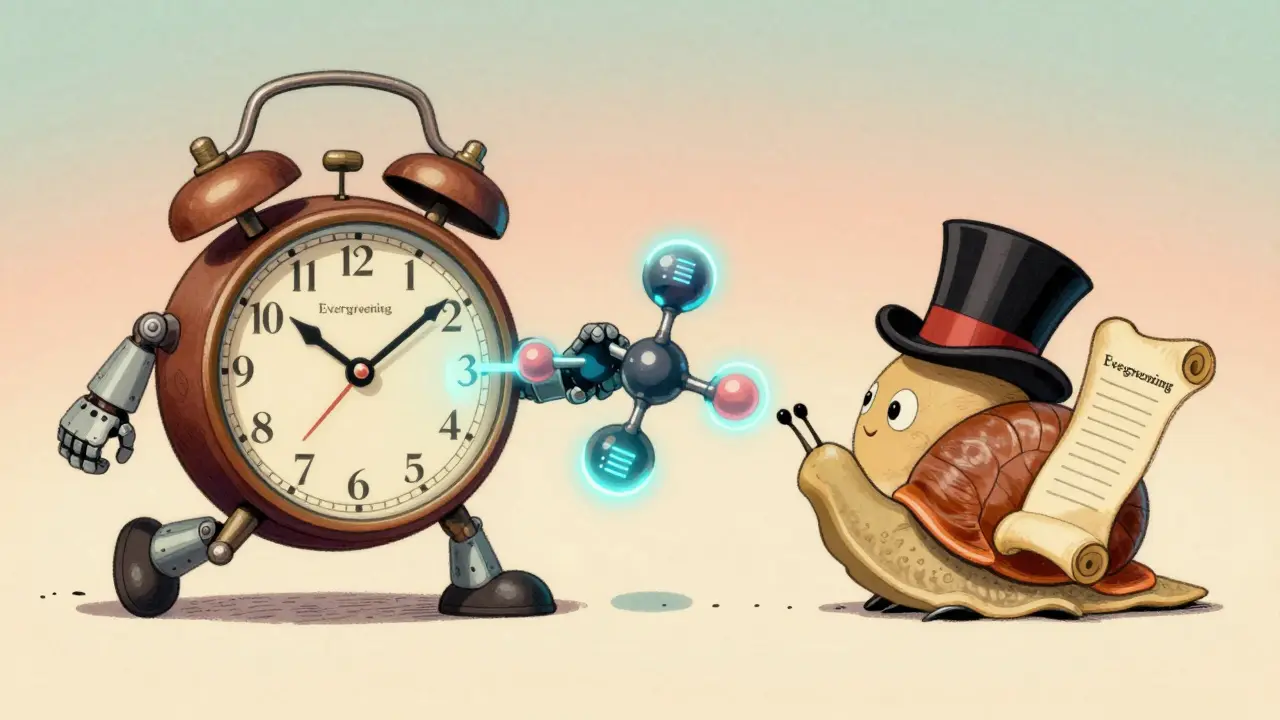
Why are some drugs still expensive even after the patent expires? Pharmaceutical companies use a tactic called "evergreening." This is where a company makes a tiny, insignificant change to a drug's formula-maybe a slightly different coating or a new extended-release version-and files a new patent. This effectively pushes back the date when a true generic can enter the market, keeping prices high for years longer than they should be.
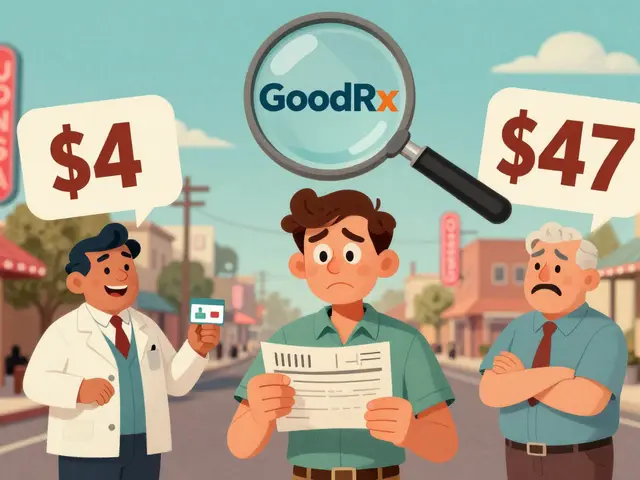
This creates a massive price gap. In some cases, the price difference for the same generic molecule can exceed 600% between two different countries. This is what fuels the growth of online pharmacies and "medical tourism," where people travel to countries like Canada or India to buy medications they can't afford at home.
The Future: Biosimilars and AI
The next big shift isn't in simple pills, but in Biosimilars. Unlike traditional generics, which are chemical copies, biosimilars are nearly-identical copies of complex biological medicines (made from living cells). Because they are so hard to make, they aren't "perfect" copies, which makes the regulatory process much slower.
Looking ahead, AI is starting to play a role in how these drugs are developed. Experts suggest that AI-driven formulation could slash the time it takes to bring a generic to market from five years down to less than two. If this happens, it could break the grip of "evergreening" and make drug availability much more consistent across the globe.
Are generic drugs less effective than brand-name drugs?
No. By law, generics must contain the same active ingredient and meet strict bioequivalence standards. They are designed to produce the same clinical effect as the brand-name version, though some people may react differently to the inactive fillers used by different manufacturers.
Why are some generics unavailable in my country but available elsewhere?
This is usually due to patent laws and regulatory approval timelines. A drug may be off-patent in India but still under patent protection in the US or EU. Additionally, a manufacturer must get approval from the local health authority (like the FDA or EMA) before they can sell in that specific region.
What is the risk of buying generics from overseas online pharmacies?
The primary risks are quality control and authenticity. While many overseas generics are high-quality, some facilities lack rigorous oversight, which can lead to contamination or incorrect dosages. Always verify if the manufacturer is FDA-approved or adheres to WHO standards.
What is the difference between a generic and a biosimilar?
Generics are copies of simple chemical drugs (small molecules). Biosimilars are copies of complex proteins made in living cells (large molecules). Because biological products are much more complex, biosimilars are "similarly'" rather than "identically" the same as the original.
Why do prices for the same generic drug vary so much between countries?
Price is determined by national reimbursement policies, the number of competing manufacturers in that market, and government price controls. In countries with mandatory generic substitution and high competition, prices drop significantly.
What to do if you can't find your medication
If you're facing a shortage or an unaffordable price tag, you have a few options depending on your situation:
- Ask for Therapeutic Alternatives: Sometimes there isn't a generic for your specific drug, but there is a different, cheaper drug in the same class that does the same thing.
- Check for Patient Assistance Programs: Many brand-name manufacturers offer discounts to patients who cannot afford their medication.
- Consult your pharmacist about substitution: Ask if there are other generic brands available that might be in stock or cheaper.
- Verify international options: If you choose to look at overseas pharmacies, ensure they are reputable and that the medication is approved by a recognized global authority.