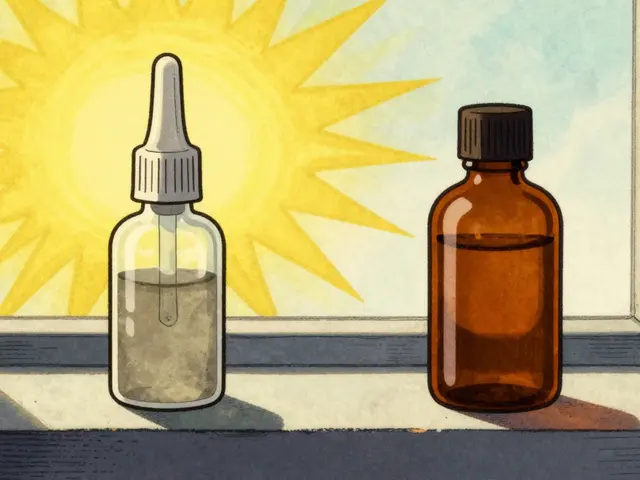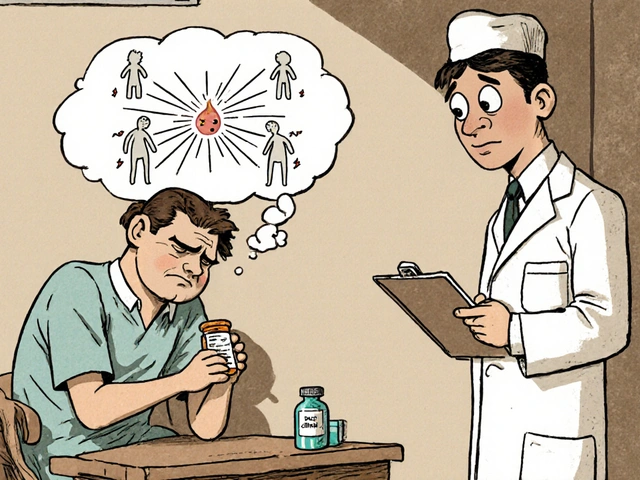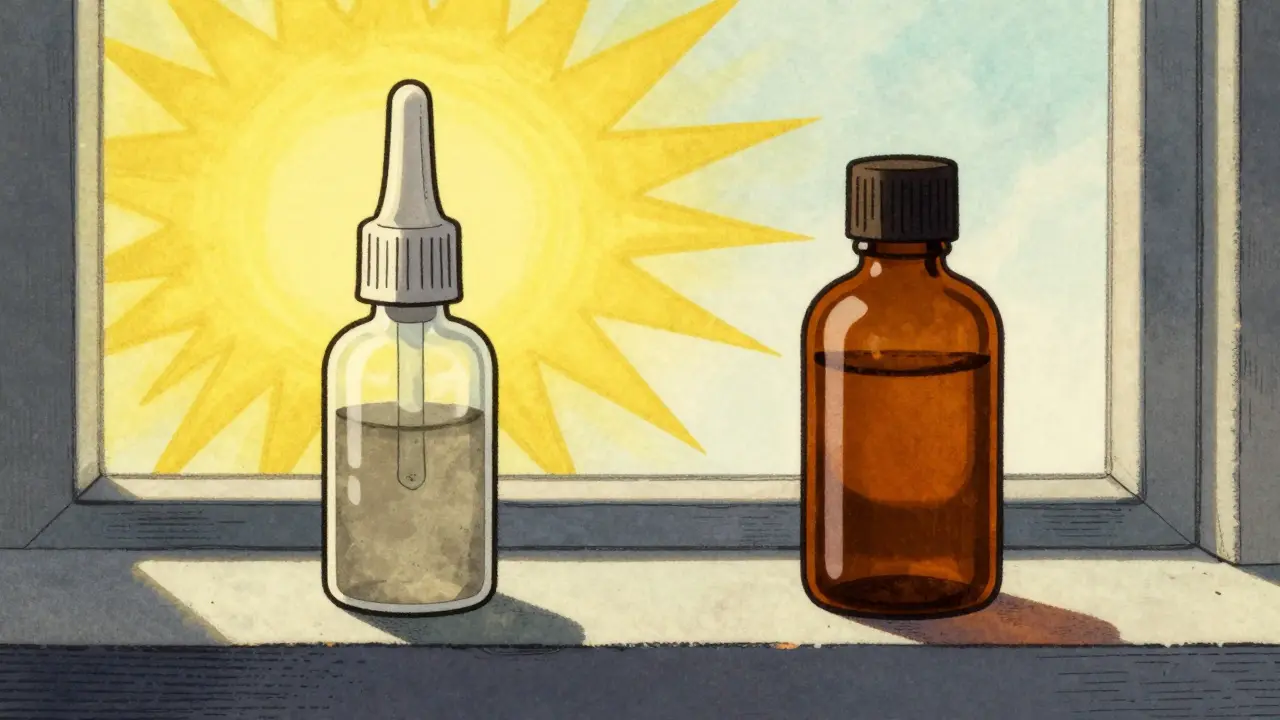
Ever notice your eye drops coming in a dark brown bottle instead of a clear one? That isn't a design choice-it's a necessity. Many drugs are chemically unstable when they hit sunlight or even bright indoor lighting. When these molecules break down, your medication doesn't just stop working; in some cases, it can actually turn into something harmful. If you store a light-sensitive drug in a sunny window or a bright bathroom, you could be cutting its effectiveness by as much as 50% in just a month.
Quick Guide to Safe Storage
- Check the Label: Look for "protect from light" or "store in a dark place."
- Keep Original Packaging: Never move eye drops or pills into clear plastic bins.
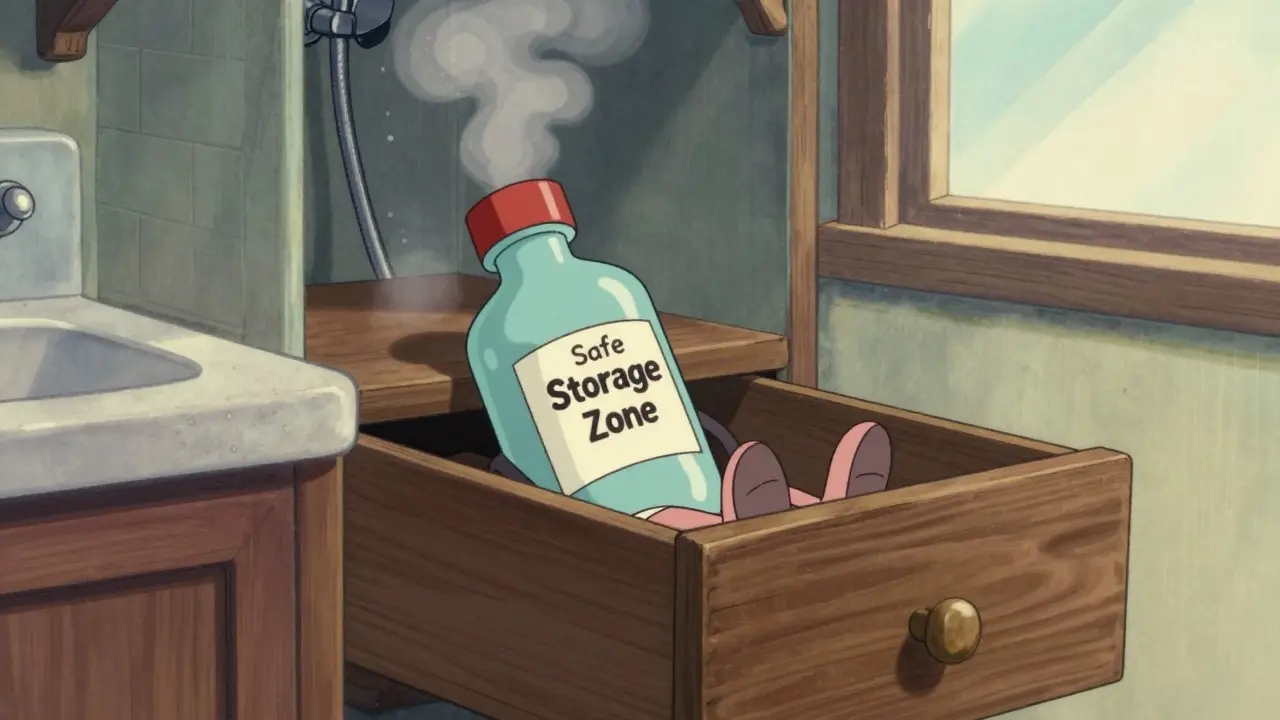
- Avoid the Bathroom: Humidity and light make medicine cabinets a danger zone.
- Control Temperature: Stick to a cool, dry area (typically 59-77°F).
- Use Secondary Barriers: If the bottle is clear, use an opaque box or a drawer.
Why Light Ruins Your Medicine
It all comes down to chemistry. Certain drugs, like nitroglycerin, tetracycline antibiotics, and various hormones, are highly reactive. When photons from light hit these molecules, they trigger a process called photodegradation. This changes the chemical structure of the drug. For example, some chemotherapy agents and potassium iodide are so sensitive they require complete darkness to remain stable.
For eye drops, the risk is even higher because they are aqueous (water-based) solutions. According to a study by Alcon, light exposure can slash the efficacy of certain ophthalmic solutions by 35% within just two weeks if they are stored in clear containers. When the active ingredient breaks down, you aren't getting the dose your doctor prescribed, which can lead to your condition worsening despite taking your medicine every day.
The Best Containers for Protection
Not all "dark" bottles are created equal. The industry standard is to use containers that block wavelengths below 470 nanometers. Most of these are amber glass or specialized UV-blocking plastics. Amber glass is generally the gold standard because it blocks about 98% of UV light, whereas high-quality opaque plastics block around 85%.
If you are using multi-dose eye drops, look for containers with internal UV-blocking coatings. Some advanced designs from Bausch + Lomb maintain stability 25% longer than standard bottles. While you might be tempted to move your meds into a travel pill organizer, stop right there. Most of those organizers are clear or translucent, which invites the very light damage you're trying to avoid.
| Container Type | UV Protection Rate | Pros | Cons |
|---|---|---|---|
| Amber Glass | ~98% | Maximum stability | Fragile, more expensive |
| Opaque Plastic | ~85% | Durable, lightweight | Slightly lower protection |
| Aluminum Foil | 100% | Total light block | Inconvenient to use |
| UV-Blocking Box | Variable | Great for bulk storage | Extra cost ($20-$60) |
Step-by-Step: Setting Up Your Home Storage
You don't need a laboratory to keep your meds safe, but you do need a system. Follow these steps to ensure your light-sensitive medications stay potent.
- Audit Your Meds: Go through your prescriptions. Look for the phrase "Protect from light." If the bottle is amber or opaque, it's already got a head start.
- Pick a "Safe Zone": Find a kitchen cabinet far from the stove and sink. Avoid the bathroom-the heat and humidity from the shower can accelerate degradation. A dresser drawer or a dedicated plastic bin in a cool closet also works well.
- Verify Temperature: Most oral medications are fine between 58-86°F. However, if you have biologics or insulin, they must be refrigerated (36-46°F). For these, use an insulated container with a UV-blocking interior to double up on protection.
- Handle with Care: When using eye drops, keep the bottle capped immediately after use. Don't leave it sitting on a sunny countertop while you're applying the drops.
How to Spot Degraded Medication
How do you know if the light has already won? You have to be a bit of a detective. Keep an eye out for these red flags:
- Color Shifts: A white cream turning yellowish or a clear liquid becoming cloudy. For instance, tretinoin cream is notorious for changing color when exposed to light and air.
- Texture Changes: Tablets that look chipped or broken, or creams that have separated into oil and water.
- Strange Smells: If your aspirin starts smelling like strong vinegar, it's likely degraded and should be tossed.
Traveling with Sensitive Meds
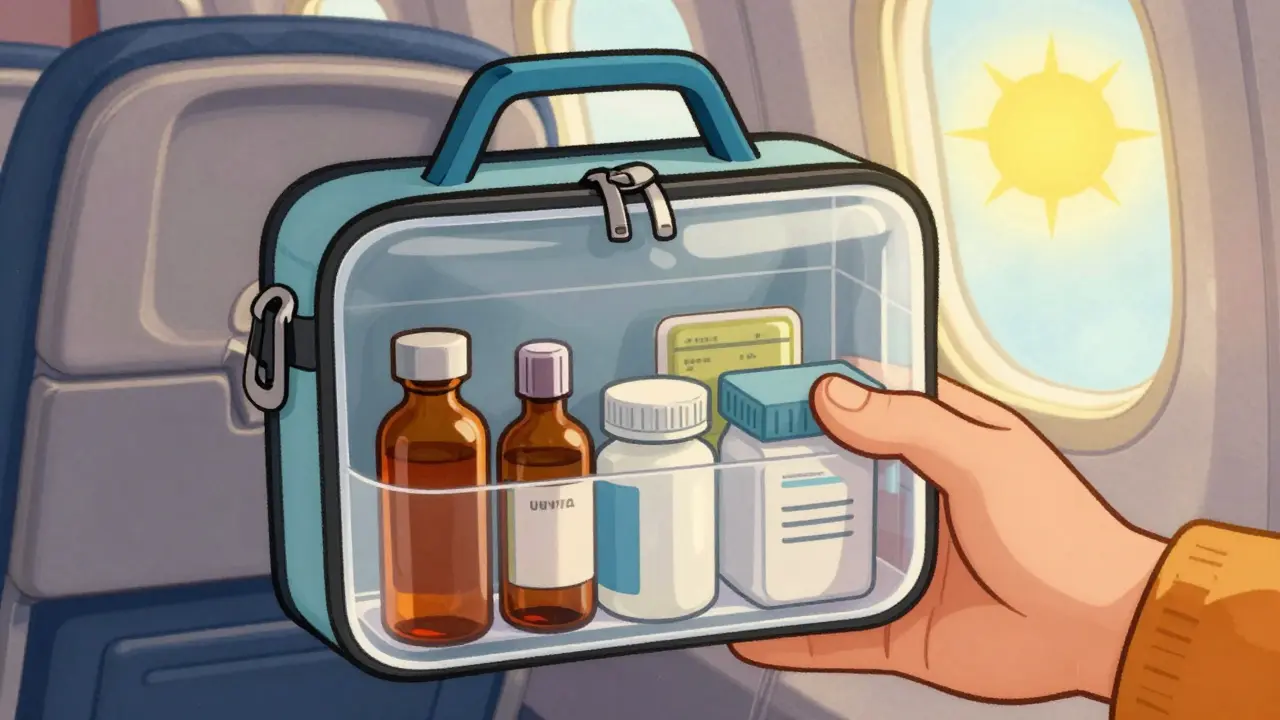
Travel is where most people mess up. Leaving a bottle in a hot car or on a sunny airplane tray table is a recipe for disaster. The best move is to use an insulated medication bag with a UV-blocking lining. These bags can keep your temperature stable within 5 degrees of the ambient air for up to 12 hours.
If you're traveling for a long time, consider a small UV-blocking travel case. Avoid the temptation to dump everything into one large, clear plastic organizer. Keep your eye drops in their original amber vials and place those vials inside an opaque pouch.
Can I move my eye drops into a clear bottle for easier use?
No. Eye drops are particularly vulnerable to light because of their water-based nature. Moving them to a clear container can cause them to lose up to 40% of their potency in just seven days. Always keep them in the original amber or opaque bottle provided by the pharmacy.
Is the bathroom medicine cabinet a good place for these drugs?
Generally, no. Bathrooms fluctuate wildly in temperature and humidity due to showers. This environment, combined with any light leaking into the cabinet, can cause medications to break down faster than they would in a cool, dry kitchen cabinet or bedroom drawer.
What should I do if I notice my medication has changed color?
If you see a color change, cloudiness, or a strange smell, do not use the medication. Contact your pharmacist to confirm if the drug has degraded. Using degraded medicine can be ineffective or, in rare cases, harmful.
Do I need to worry about indoor light, or just sunlight?
While direct sunlight is the most damaging, some "extremely light-sensitive" drugs (like certain chemotherapy agents) can be affected by strong indoor fluorescent lighting. For these, complete darkness is required, so storing them inside a solid drawer or box is best.
How long does it take for light to ruin a medication?
It varies by drug, but some can lose significant potency very quickly. Some studies indicate a 5% to 50% reduction in potency depending on the drug and the duration of exposure. For certain eye drops, a noticeable loss in efficacy can happen within 14 days of improper storage.