
Why a medication review isn’t just another doctor’s visit
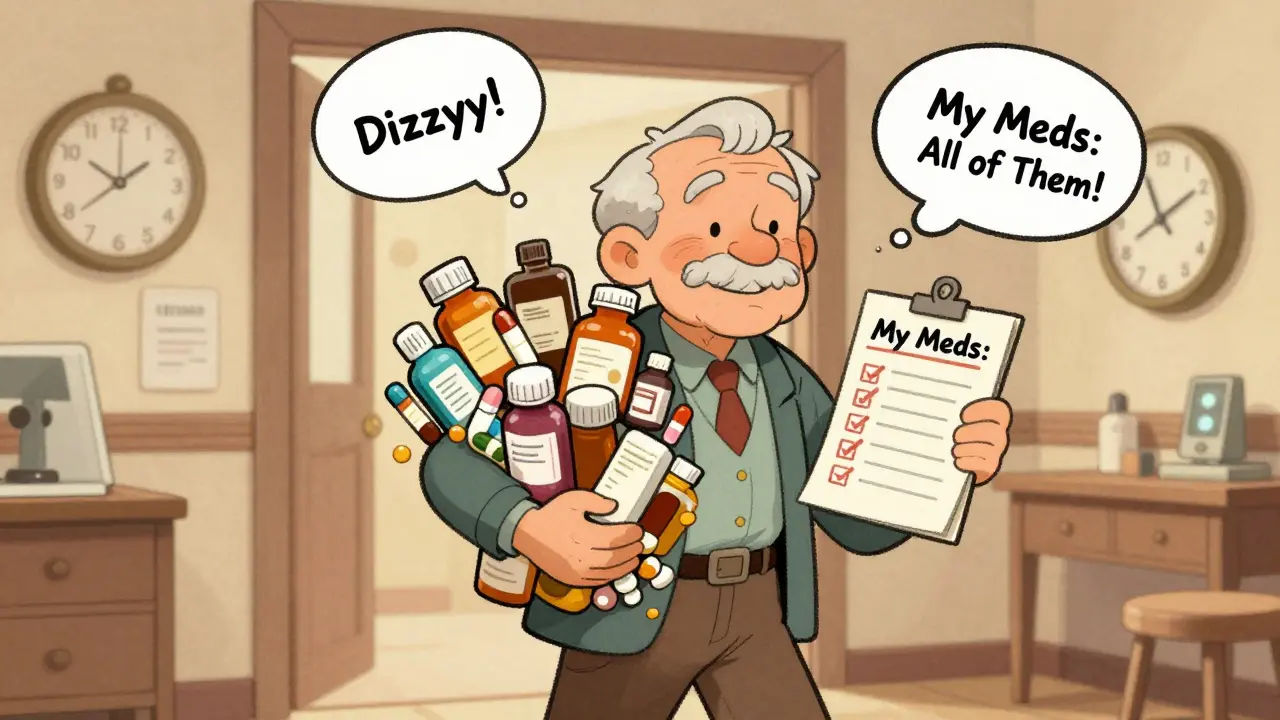
Think of a medication review like a full tune-up for your pills. It’s not about checking if you’re taking them-it’s about making sure they’re still the right ones, at the right dose, and not causing more harm than good. If you’re taking five or more medications, this appointment isn’t optional. It’s a safety check. In the UK, practices like Godiva Group Practice NHS will stop renewing your prescriptions if you skip it. That’s not a threat-it’s a rule because mixing too many drugs can lead to falls, confusion, kidney damage, or even hospital stays.
What you need to bring: the full picture
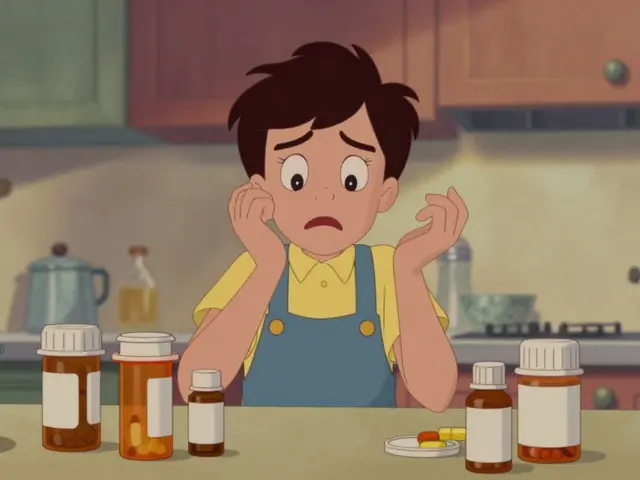
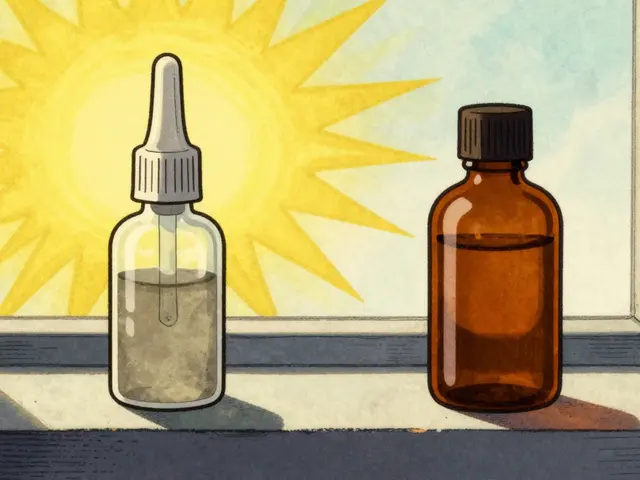
Don’t just list your meds. Bring them. All of them. That means prescription bottles, over-the-counter painkillers, vitamin packs, herbal teas, creams, inhalers, and even the patches you stick on your skin. The Northern Health and Social Services Board in Ireland says: “By medicines we mean anything you take.” This includes the ginger capsules you bought at the supermarket and the eye drops your sister gave you last month.
Write down each one with:
- The exact name (e.g., “metformin 500mg” not just “diabetes pill”)
- The dose (e.g., “take one tablet twice daily”)
- Why you take it (e.g., “for high blood pressure”)
- Who prescribed it (e.g., “Dr. Patel, GP”)
- Any side effects you’ve noticed (e.g., “dizzy after lunch,” “constipated since January”)
If you use a pill organizer, bring that too. Sometimes what’s inside doesn’t match what’s on your list-and that’s exactly what the pharmacist is there to catch.
Know your schedule: timing matters
For some conditions, timing isn’t just helpful-it’s critical. If you have Parkinson’s, diabetes, or heart failure, even a 30-minute delay can throw off your whole day. Parkinson’s UK stresses that patients should note exact times each dose is taken. Example: “Levodopa at 7:00 AM, 11:00 AM, 3:00 PM, 7:00 PM.” If you’re on a phone or video call, the clinician can’t see your bottle. They need your words to paint the full picture.
Use your phone’s calendar or a simple notebook. Don’t rely on memory. One patient I know forgot she was taking two different blood pressure pills at the same time-until her pharmacist spotted the overlap on her list.
Write down your questions before you go
Don’t wait until you’re in the room to think of what to ask. By then, nerves kick in. Write your top three concerns ahead of time:
- “Is this medicine still helping?”
- “Could any of these be causing my fatigue?”
- “Is there a cheaper or simpler way to take this?”
The Health Innovation Network says this is part of “shared decision-making.” You’re not just a patient receiving orders-you’re a partner in your care. If you’re worried about side effects like dry mouth, memory lapses, or stomach pain, say it. Don’t assume it’s “just aging.”
Understand what kind of review you’re having
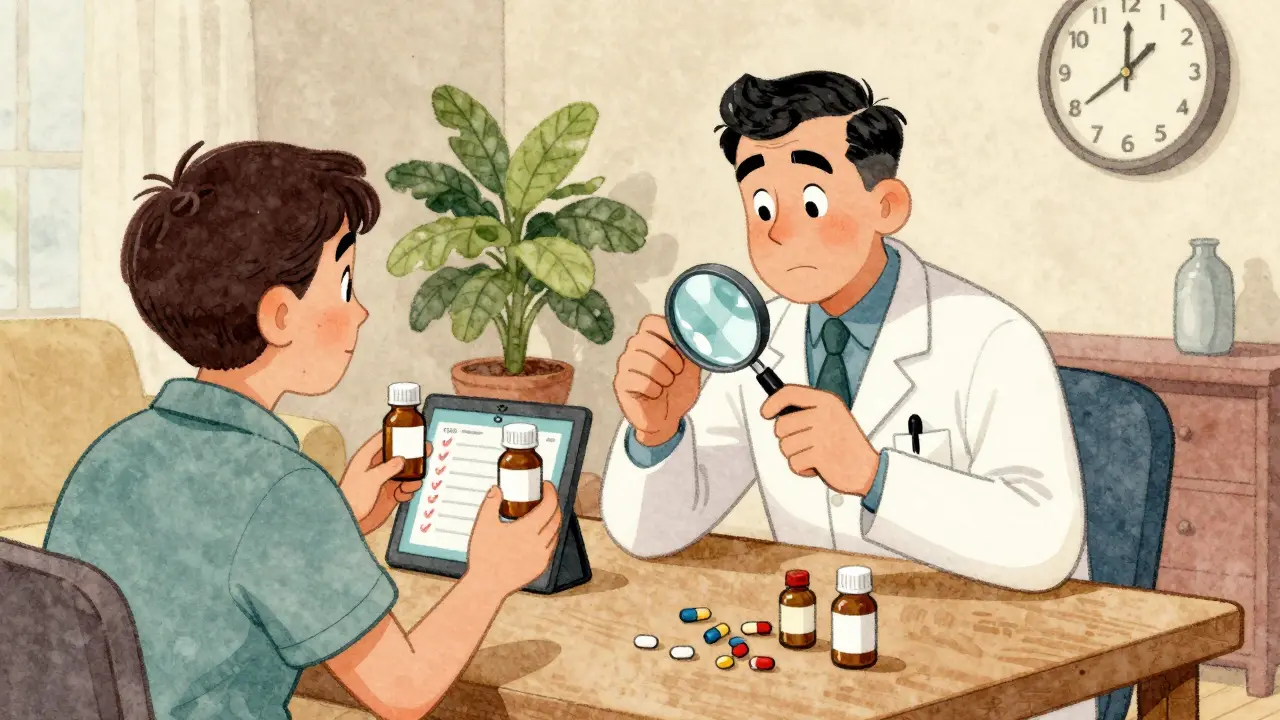
Not all medication reviews are the same. There are three main types:
- Prescription review: Checks if your prescriptions are correct, up to date, and not overlapping.
- Concordance review: Asks if you’re actually taking your meds as directed. Maybe you skip pills because they make you sick, or you’re afraid of side effects.
- Clinical medication review: Looks at how your meds fit your overall health. For example, if you’ve lost weight, your diabetes dose might need lowering.
Ask your practice which type you’re getting. If it’s a clinical review, be ready to talk about your energy levels, sleep, mood, and daily function-not just your blood pressure numbers.
What to expect during the appointment
Most reviews last 20 to 45 minutes. You’ll likely meet with your GP or a clinical pharmacist-many UK practices now rely on pharmacists for this task. They’ll ask:
- “Are you still taking all these?”
- “Have you noticed any new symptoms?”
- “Do you find it hard to remember when to take them?”
- “Would you like to stop or reduce any of these?”
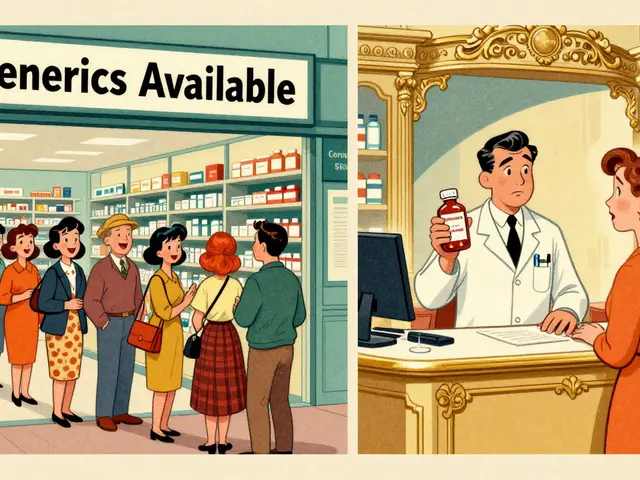
They might suggest stopping a drug that’s no longer needed, switching to a cheaper generic, or combining pills into one daily dose. Sometimes, they’ll cut a medication you’ve been on for years-because your body has changed, and so have your needs.
Telehealth? Here’s how to get ready
If your appointment is virtual, preparation matters even more. You won’t have the pharmacist holding your pills. So:
- Place all your medications on a table in front of you before the call starts.
- Have your written list ready to share on screen.
- Test your camera and mic beforehand. If you’re using Zoom or NHS App, make sure you can share your screen or show bottles clearly.
- Have a pen and paper ready to take notes.
Patient Safety Wisconsin says many people miss this step-and then struggle to describe what’s in their pillbox. Bring your meds into the frame. Say: “Here’s my metformin bottle,” or “This is the cream I use for my eczema.”
What happens if you don’t prepare?
Skipping preparation doesn’t just waste time-it risks your health. Godiva Group Practice NHS doesn’t just send reminders. After three months of no response, they limit your repeat prescriptions to a one-month supply. After that? No more refills until you complete the review.
This isn’t punishment. It’s protection. One study found that patients who skipped reviews were 37% more likely to be hospitalized for drug-related problems. That’s not a small risk. It’s a real danger.
What if you can’t get to the clinic?
If mobility, transport, or illness makes it hard to travel, ask about home visits. The Northern Health and Social Services Board confirms that many practices offer them-but only if you ask. Don’t assume it’s automatic. Call your surgery and say: “I need a home medication review because I can’t leave the house.”
Some areas also offer phone reviews with a pharmacist. These are less ideal than in-person, but better than nothing. Just make sure you’ve got your meds and list ready before the call.
After the appointment: what next?
At the end, you should walk away with:
- A clear list of what to keep, stop, or change.
- Updated instructions on how and when to take each medicine.
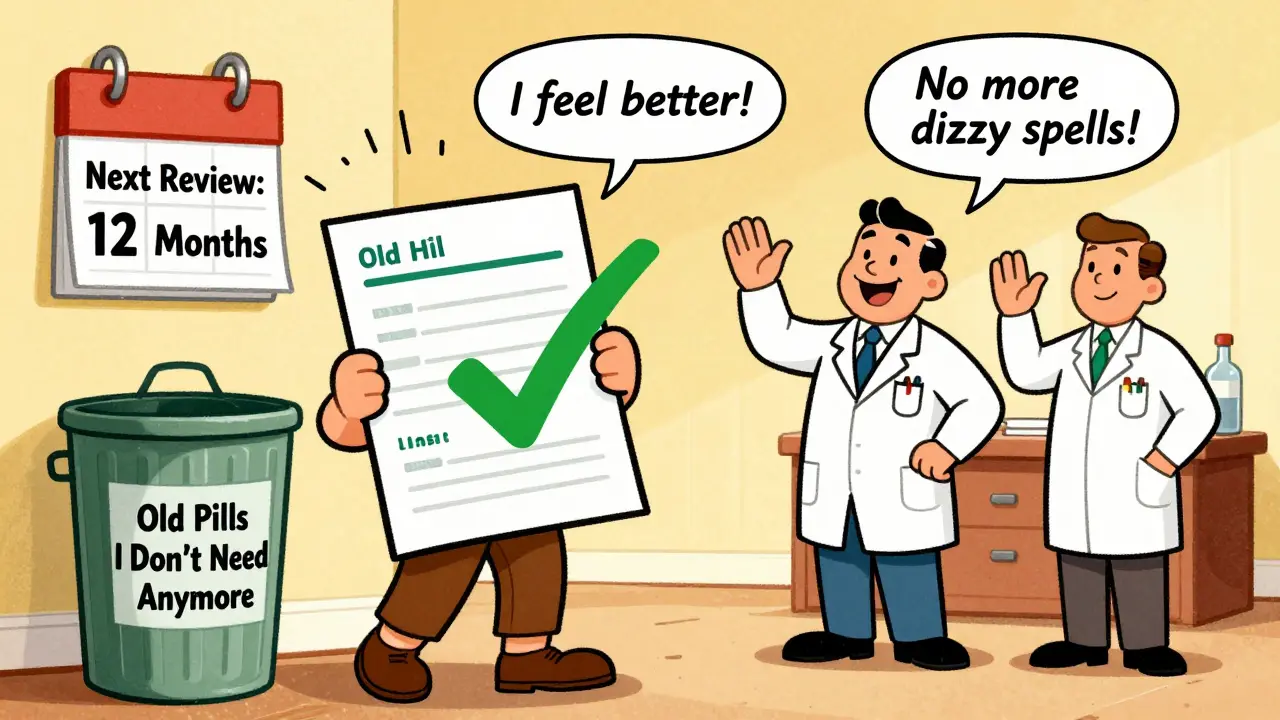
- A plan for follow-up-maybe in three months, or when your next blood test is due.
Ask for a printed copy or a digital version sent to your NHS App. Don’t rely on memory. If something changes, write it down. And if you feel worse after the review, call back. Your health doesn’t wait.
Final tip: make this a habit
Don’t wait for the letter to arrive. Set a reminder on your phone for your next review-every 12 months, no exceptions. Keep your list updated. Add new meds as soon as you get them. Remove ones you’ve stopped. This isn’t a one-time task. It’s part of managing your health, just like checking your blood pressure or walking every day.
Do I need to bring supplements and herbal remedies to my medication review?
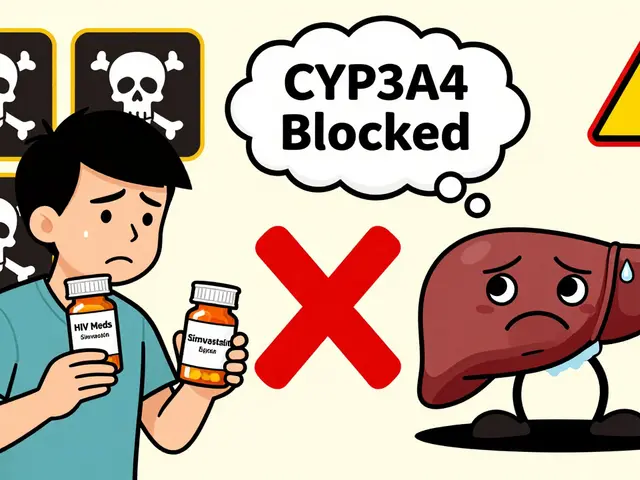
Yes. Herbal remedies, vitamins, and over-the-counter supplements can interact with your prescription drugs. For example, St. John’s Wort can make blood thinners or antidepressants less effective. Even something as simple as calcium or magnesium can interfere with thyroid or antibiotic meds. Bring everything-even if you think it’s “just natural.”
Can my pharmacist stop my medication during the review?
They can recommend stopping or changing a medicine, but only your GP can officially cancel a prescription. The pharmacist will write a suggestion, and your doctor will review it. In many practices, pharmacists lead the review and make the call, but final approval always comes from your GP. Don’t be surprised if you get a follow-up message asking if you agree with the changes.
What if I don’t remember all my medications?
Don’t panic. Bring your pill organizer, medicine cabinet, or pharmacy bags. Even if the labels are faded, the pharmacist can often identify pills by shape, color, or imprint code. You can also check your NHS App or call your pharmacy for a list of your current prescriptions. But the best way is to keep your own updated list at home.
Why does my doctor ask if I’m taking my meds correctly?
Because many people don’t. Maybe you skip doses because you feel fine, or you’re afraid of side effects, or you’re confused by multiple schedules. That’s normal. But if your blood pressure stays high or your diabetes worsens, the reason might not be the medicine-it’s how you’re taking it. Your doctor isn’t judging. They’re trying to fix the problem.
Will my medication review cost me anything?
No. Medication reviews are free under the NHS in the UK. Whether it’s with your GP or a clinical pharmacist, there’s no charge. If someone asks you to pay, it’s not an official NHS review. Report it to your practice.


I brought my whole medicine cabinet to my last review-bottles, patches, that weird turmeric tea I drink at night, even the lip balm with CBD. The pharmacist laughed and said, 'This is why we ask for everything.' Turns out, the tea was messing with my blood thinner. I thought it was 'just natural.' Turns out, 'natural' doesn't mean 'harmless.' Now I keep a running note on my phone. Best 30 minutes I’ve spent in years.
You know what’s wild? People act like this is some newfangled NHS nonsense, but if you’ve ever had a grandparent on 12 pills and then suddenly start nodding off at 2 p.m., you know this isn’t optional-it’s survival. I watched my dad go from sharp as a tack to confused as a confused thing because no one ever checked if his blood pressure med was still needed after his stroke. He was on it for five years. No one asked. He just kept taking it. Then he fell. Broke his hip. All because no one sat down with him and said, 'Hey, maybe this isn’t helping anymore.' This isn’t bureaucracy. It’s basic human decency wrapped in paperwork.
Let’s be real-this guide is 90% common sense. Why do we need a 2000-word article to tell us to bring our meds? 🤦♂️ Also, 'St. John’s Wort interferes with antidepressants'? Newsflash: this has been known since 2004. The real issue? The system is so broken that patients need a checklist just to not die. Sad. But also, why are we still using paper lists in 2025? NHS App should auto-populate this. End rant.
My mom skipped her review because she 'didn’t have time.' Two weeks later, she was in the ER with kidney failure. Turns out, her ibuprofen and her blood pressure med were killing her kidneys together. She didn’t even know they were both NSAIDs. She thought 'ibuprofen' was just 'pain medicine.' Now she’s on dialysis. I don’t care how busy you are. Bring the damn pills.
As someone who’s helped three elderly neighbors prep for these reviews, let me say-this isn’t about rules. It’s about dignity. People get scared they’ll be told to stop meds they’ve taken for decades. But the truth? Most of them feel better afterward. One woman cried because she finally stopped taking a pill that made her feel like a zombie. She said, 'I didn’t know I was supposed to feel like me again.' That’s the magic here. It’s not about checking boxes. It’s about giving people their lives back.
While I appreciate the sentiment, this article is dangerously oversimplified. The notion that 'anyone' can safely discontinue a medication based on a 20-minute review is a myth. Polypharmacy is a complex, highly individualized phenomenon requiring longitudinal data, lab results, cognitive assessments, and pharmacokinetic modeling-not a checklist scribbled on a napkin. Furthermore, the assumption that patients can accurately identify pills by 'shape and color' is not only inaccurate, it’s potentially lethal. Pharmacists are not diagnosticians. This is a dangerous illusion of accessibility.
Let me be perfectly clear: This is not a 'guide.' This is a mandatory, government-mandated compliance protocol disguised as patient empowerment. The NHS uses this as a cost-cutting mechanism under the guise of 'safety.' If you don’t comply, you lose access to prescriptions. That is not healthcare. That is coercion. And the fact that people are praising this as 'empowering' is a sign of how thoroughly we’ve internalized institutional control as 'care.' Don’t be fooled.
As a clinical pharmacist, I can confirm: The biggest win isn’t the pill count-it’s the trust. When someone says, 'I skip my statins because I don’t feel sick,' and you don’t shame them, you just say, 'Tell me more,' that’s when change happens. We don’t need more lists-we need more conversations. And if you’re on telehealth? Put the meds on the table. Look at the label. Say it out loud. Even if you’re nervous. Your voice matters more than your memory.