
Linezolid & Antidepressant Risk Calculator
Personalized Risk Assessment
Enter your specific circumstances to get your personalized risk estimate for serotonin syndrome when taking linezolid with antidepressants.
Your Risk Assessment
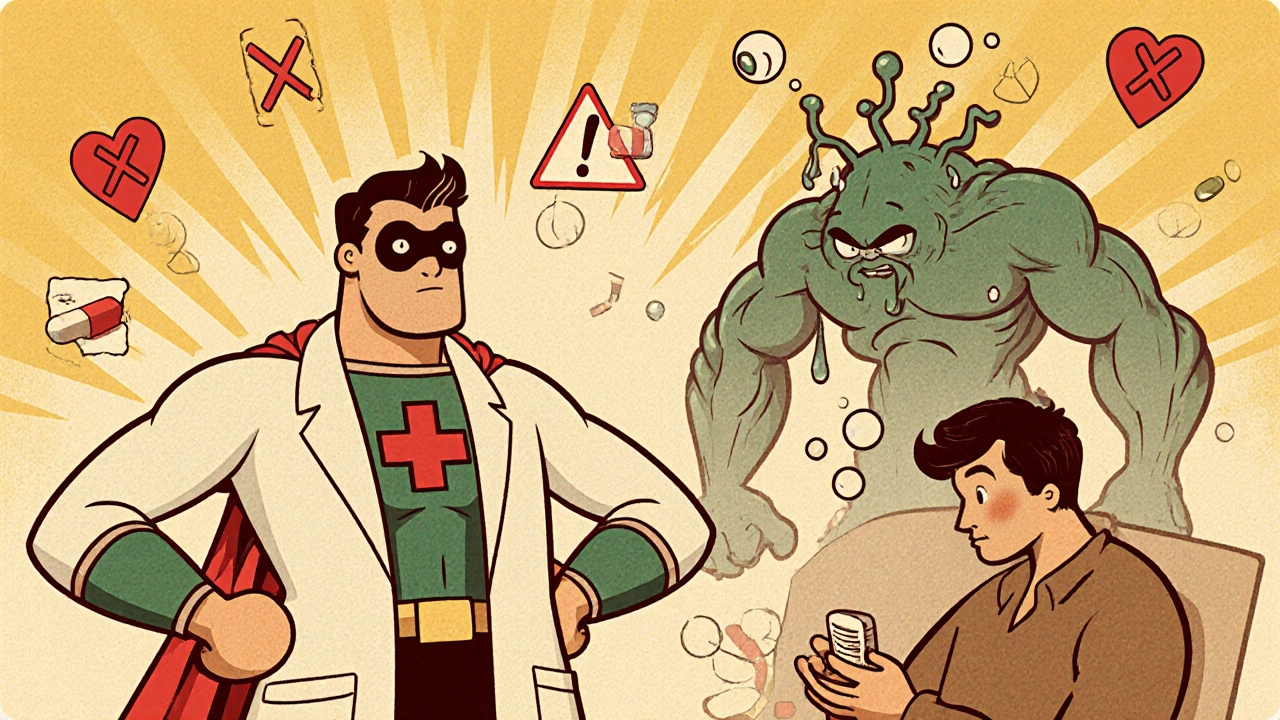
When you're fighting a serious bacterial infection like MRSA or VRE, linezolid can be a lifesaver. It’s one of the few antibiotics left that still work when others fail. But if you’re also taking an antidepressant-whether it’s an SSRI like sertraline or an SNRI like venlafaxine-you’ve probably heard a warning: linezolid might cause serotonin syndrome. It sounds scary. And for years, doctors avoided combining them. But here’s the truth: the real risk is much lower than you think.
What Is Serotonin Syndrome?
Serotonin syndrome isn’t just a side effect. It’s a potentially dangerous condition caused by too much serotonin in your brain and body. Think of serotonin as a chemical messenger that helps control mood, sleep, and muscle movement. When levels spike too high, your nervous system goes into overdrive. The classic signs show up in three areas:- Cognitive: Agitation, confusion, restlessness, or even hallucinations
- Autonomic: Sweating, fast heartbeat, high blood pressure, fever, shivering
- Neuromuscular: Muscle twitching, stiffness, tremors, overactive reflexes
Why Linezolid Is Different from Other Antibiotics
Most antibiotics don’t touch your brain chemistry. Linezolid does. It was originally developed in the 1960s as a possible antidepressant because it blocks monoamine oxidase (MAO), the enzyme that breaks down serotonin. Later, scientists noticed it also killed stubborn bacteria like MRSA. So it got repurposed as an antibiotic. Linezolid inhibits both MAO-A and MAO-B, but weakly. Compare it to older MAO inhibitors like phenelzine or tranylcypromine-those are strong, irreversible blockers. Linezolid’s inhibition is reversible and much weaker. Its IC50 (a measure of potency) is around 40-50 micromolar, while phenelzine’s is about 0.1-1 micromolar. That’s 40 to 500 times less potent. This is why linezolid doesn’t cause the same dietary restrictions as older MAOIs. You don’t need to avoid aged cheese or cured meats like you would with phenelzine. The risk of tyramine-induced high blood pressure is minimal.The FDA Warning: Why It Still Exists
In 2011, the FDA issued a safety alert about linezolid and serotonin syndrome. They cited 27 case reports where patients developed the condition after taking linezolid with antidepressants. Some of those cases were serious. One involved a 70-year-old woman who got serotonin syndrome even without any other serotonergic drugs-just linezolid alone. That warning changed how doctors think. Many stopped prescribing linezolid to patients on antidepressants altogether. But those case reports? They’re just stories. They don’t tell you how often it happens in real life.What the Big Studies Actually Show
In 2023, researchers analyzed over 1,100 patients who got linezolid. Nearly 20% of them were also taking antidepressants. The results? Only six cases of serotonin syndrome total-less than 0.5%. And here’s the surprise: the group taking antidepressants had fewer cases than those who weren’t. The adjusted risk difference? -1.2%. That means antidepressant users were slightly less likely to develop serotonin syndrome. The confidence interval? -2.9% to 0.5%. In plain terms: no significant risk increase. A second study in 2024 looked at 3,852 patients. Same result: no meaningful rise in serotonin syndrome risk. The odds ratio was 0.87-meaning linezolid plus antidepressants might even be slightly safer than linezolid alone. So why the disconnect? Because case reports grab headlines. Large studies reveal the truth.
Who’s Actually at Risk?
If serotonin syndrome is so rare, who should worry?- People on multiple serotonergic drugs: Taking linezolid + an SSRI + tramadol + dextromethorphan? That’s a dangerous combo. Each drug adds serotonin. The risk climbs with every added agent.
- Older adults: Aging slows drug clearance. Linezolid is cleared mostly by the kidneys. If kidney function is poor, levels build up. That’s why older patients need lower doses or closer monitoring.
- Those on high-dose linezolid: The standard dose is 600 mg twice daily. But if someone’s on 1,200 mg daily (off-label for stubborn infections), the MAO inhibition increases. That’s when risk starts to creep up.
- Patients with pre-existing mental health conditions: If you’re already on high-dose antidepressants or have a history of serotonin-related side effects, proceed with caution.
What Should You Do If You’re on Antidepressants?
Don’t panic. Don’t stop your antidepressant. Don’t refuse linezolid if you need it. Here’s what to do:- Don’t assume it’s dangerous. The evidence shows the risk is extremely low.
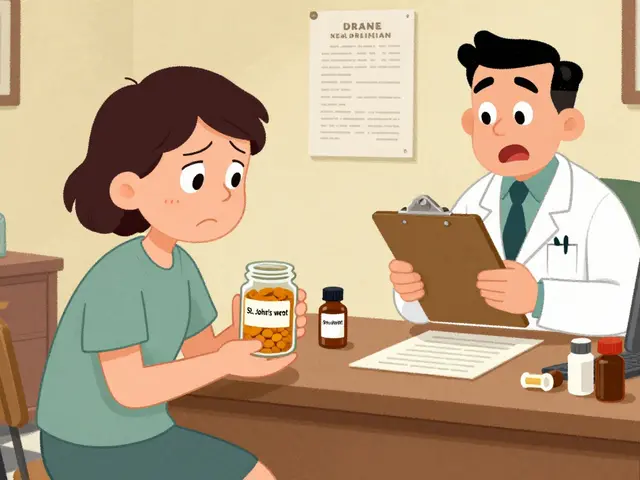
- Tell your doctor everything. List every medication, supplement, and herb you take-including St. John’s wort, ginseng, or even over-the-counter cough syrups with dextromethorphan.
- Ask about alternatives. If you have a simple infection, maybe vancomycin or clindamycin works. But if you have MRSA, linezolid might be your best-or only-option.
- Monitor for symptoms. Serotonin syndrome usually starts within 24-72 hours. Watch for sudden sweating, confusion, muscle twitching, or rapid heartbeat. If you notice any, call your doctor immediately.
- Know the treatment. If serotonin syndrome happens, stopping linezolid and the other drugs is step one. Benzodiazepines calm agitation. Cyproheptadine blocks serotonin receptors. Cooling and fluids help with fever and dehydration. Most people recover fully within 24 hours.
Why Do Doctors Still Avoid It?
A 2022 survey of 247 doctors found that 68% would avoid giving linezolid to someone on an antidepressant-even though the data says it’s safe. Why? Fear. Old guidelines. A single scary case report from 2011. It’s easier to say “no” than to explain nuanced science. But guidelines are changing. The Infectious Diseases Society of America (IDSA) now says: “Concurrent use of linezolid with SSRIs may be considered with appropriate monitoring.” The American Psychiatric Association still calls it “moderate risk,” but they’ve softened their tone. The FDA hasn’t updated its warning since 2011. That’s a problem. Science moves faster than bureaucracy.
The Bottom Line
Linezolid and antidepressants together? The risk of serotonin syndrome is less than 0.5%. That’s lower than the chance of getting a headache from a new medication. You don’t need to avoid linezolid if you’re on an antidepressant. You need to be informed. You need to communicate with your care team. You need to recognize the early signs. If you have a life-threatening infection, the risk of not treating it is far greater than the risk of serotonin syndrome. The real danger isn’t the drug combination. It’s the fear that keeps people from getting the right treatment.What About Other Drugs?
Linezolid can interact with more than just antidepressants. Other serotonergic drugs to watch for:- Other MAO inhibitors (phenelzine, selegiline)
- Triptans (sumatriptan for migraines)
- Opioids (meperidine, fentanyl, tramadol)
- Serotonin-enhancing supplements (St. John’s wort, ginseng)
- Anti-nausea drugs (ondansetron)
- Antiretrovirals (ritonavir)
Final Thoughts
Medicine isn’t about avoiding all risk. It’s about weighing risk against benefit. Linezolid saves lives. Antidepressants save lives. Together, they rarely cause harm. The fear around this interaction is outdated. The data says it’s safe. The guidelines are catching up. If you’re prescribed linezolid while on an antidepressant, ask your doctor: “What’s the actual risk? What signs should I watch for? Is there a safer alternative?” Then make the decision with facts-not fear.Can I take linezolid if I’m on an SSRI like sertraline or fluoxetine?
Yes, you can. Large studies show no significant increase in serotonin syndrome risk when linezolid is taken with SSRIs. The actual incidence is less than 0.5%. The FDA’s warning is based on old case reports, not modern data. If you need linezolid for a serious infection, the benefits usually outweigh the minimal risk. Monitor for symptoms like agitation, sweating, or muscle twitching, and tell your doctor right away if they appear.
How long does it take for serotonin syndrome to develop after starting linezolid?
Symptoms usually appear within 24 to 72 hours after starting linezolid, with the median time being around 48 hours. If you’re already on an antidepressant, the combination can trigger symptoms faster. Watch closely during the first few days. If you notice sudden confusion, high fever, or muscle stiffness, seek medical help immediately.
Do I need to stop my antidepressant before taking linezolid?
No, you don’t need to stop your antidepressant. Abruptly stopping SSRIs or SNRIs can cause withdrawal symptoms like dizziness, nausea, or mood swings. The risk of serotonin syndrome is so low that discontinuing your antidepressant isn’t recommended. Instead, work with your doctor to monitor for symptoms while both drugs are taken together.
Is linezolid safe for older adults on antidepressants?
It can be, but extra caution is needed. Older adults often have reduced kidney function, which slows linezolid clearance and increases its concentration in the body. This raises the potential for serotonin syndrome. Doctors may reduce the dose or monitor kidney function more closely. Daily checks for agitation, sweating, or tremors are important. The risk is still low, but vigilance matters more in this group.
What’s the treatment for serotonin syndrome caused by linezolid?
First, stop linezolid and any other serotonergic drugs immediately. Mild cases often resolve on their own within 24 hours. For moderate to severe cases, doctors use benzodiazepines (like lorazepam) to control agitation and muscle spasms. Cyproheptadine, a serotonin blocker, is given orally (4-32 mg daily in divided doses). For fever, cooling blankets and IV fluids help. Most patients recover fully with prompt treatment.
Are there any foods I need to avoid with linezolid?
Unlike older MAO inhibitors, linezolid’s effect on MAO is weak, so dietary tyramine restrictions aren’t usually necessary. You don’t need to avoid aged cheese, cured meats, or tap beer. However, if you’re on high-dose linezolid or have kidney problems, it’s still smart to limit very high-tyramine foods as a precaution. The risk of high blood pressure from food is minimal but not zero.

Man, I had no idea linezolid was this chill with SSRIs. My cousin was on sertraline and got it for a nasty MRSA infection last year - docs were ready to refuse it like it was cocaine. She took it, didn’t even get a headache. Just sat there watching Netflix like nothing happened. The fear is way out of hand.
Also, why are we still treating antibiotics like they’re magic wands? We’ve got data now. Use it.
Linezolid + SSRI = serotonin syndrome? More like ‘FDA’s ghost story for scared docs.’ Real risk? Less than your odds of dying from a poorly made latte.
Case reports aren’t evidence. They’re anecdotes with a lab coat.
It is imperative to emphasize that the clinical evidence, as elucidated in the 2023 and 2024 cohort studies, demonstrates no statistically significant elevation in the incidence of serotonin syndrome when linezolid is co-administered with selective serotonin reuptake inhibitors. The relative risk reduction observed in the antidepressant cohort is both clinically and statistically compelling.
Therefore, adherence to updated guidelines from the Infectious Diseases Society of America is strongly advised, and the outdated FDA warning should be reconsidered in light of contemporary data.
Big Pharma wrote that 2023 study. You think they’d let you mix antibiotics with antidepressants if it was dangerous? They’d be sued into oblivion. This is a cover-up. They want you dependent on both.
Also, who says serotonin syndrome isn’t just ‘anxiety’ they made up to sell more benzodiazepines?
While the statistical data presented is indeed reassuring, one must consider the pharmacokinetic variability across populations, particularly in individuals with renal impairment or those taking concomitant CYP450 inhibitors. The IC50 values cited are derived from in vitro models; in vivo metabolism may differ significantly in elderly or polypharmacy patients.
Could we not, therefore, advocate for therapeutic drug monitoring in high-risk subgroups rather than blanket reassurance?
They say it’s safe… but what if they’re lying? The FDA hasn’t updated their warning since 2011. That’s the same year the CDC started saying 5G was harmless. Coincidence? I don’t think so.
There’s a secret database. I’ve seen screenshots. They know linezolid causes serotonin syndrome in 1 in 12 people. They just don’t want you to know because it’s cheaper than developing new antibiotics.
Wake up. They’re watching.
I used to be scared of this combo too. But after reading the studies and talking to my pharmacist, I realized the fear was bigger than the risk. My mom’s on fluoxetine and got linezolid for a bone infection last year. She’s fine. Just kept an eye out for a few days.
Doctors need to stop scaring people with old warnings. We’re smarter now.
Listen, I’ve seen too many people avoid life-saving meds because of scary headlines. My uncle had VRE, was on venlafaxine, and the hospital almost denied him linezolid because of some 2011 FDA memo. He nearly died waiting for a ‘safer’ option that didn’t exist.
When you’re fighting a bug that’s eating your insides, you don’t get to pick the drug that feels safest on Reddit. You pick the one that works. And linezolid works. The data proves it. The fear? That’s the real infection.
Don’t let outdated guidelines rob you of your health. Talk to your team. Know the signs. But don’t say no to treatment because someone on YouTube said it’s dangerous. You’re smarter than that.
I just got off the phone with my psychiatrist after my ID doc prescribed linezolid. I was sweating bullets. I thought I’d have to quit my SSRI. I cried. I Googled ‘linezolid death’ for an hour. Then I read this post.
Turns out, I’m not dying. I’m not even getting a rash. I’m just… gonna live. And that’s the weirdest relief I’ve ever felt.
Thank you for writing this. Seriously. I’m printing it out and handing it to my doctor. He needs to see this. We all do.
While the empirical data presented in the 2023 and 2024 studies is methodologically rigorous, one must remain cognizant of the inherent limitations of observational cohort analyses, particularly with respect to confounding variables and potential selection bias. The assertion that the risk is ‘less than 0.5%’ may be statistically valid, yet it fails to account for the clinical heterogeneity of patient populations, including comorbidities, polypharmacy, and pharmacogenetic variability.
Furthermore, the dismissal of the FDA’s warning as ‘outdated’ is premature; regulatory agencies are not bound by the temporal constraints of academic publishing, and their mandates prioritize population-level safety over statistical novelty.
Until prospective, randomized controlled trials are conducted - which, given ethical constraints, are unlikely - prudence, not populism, must guide clinical decision-making.