When you hear antimalarials, medicines designed to kill or stop the malaria parasite in the body. Also known as antimalarial drugs, they’re the frontline defense against one of the world’s oldest and deadliest diseases. Malaria isn’t just a travel risk—it’s a global health issue affecting millions, especially in tropical regions. These drugs don’t just treat symptoms; they target the parasite at different stages of its life cycle, whether it’s in the liver, bloodstream, or being passed by mosquitoes.
Not all antimalarials are the same. Some, like chloroquine and hydroxychloroquine, have been around for decades. Others, like artemisinin-based combos, are newer and more effective against resistant strains. Then there’s atovaquone-proguanil, often used for prevention in travelers. Each has different side effects, dosing schedules, and risks. For example, taking antimalarials with certain antibiotics or antivirals can change how well they work—or increase the chance of serious reactions. That’s why understanding drug interactions matters as much as knowing which pill to take.
Antimalarials aren’t just for sick people. Many are taken before, during, and after trips to high-risk areas to prevent infection. But they’re not magic shields. You still need mosquito nets, repellents, and smart habits. And if you’re on long-term meds for other conditions—like antidepressants, blood thinners, or diabetes pills—you need to check for clashes. A simple mix with a common painkiller or supplement could reduce effectiveness or trigger side effects like dizziness, nausea, or worse.
What you’ll find below isn’t a list of every antimalarial ever made. It’s a collection of real, practical posts that connect antimalarials to the bigger picture: how they interact with other drugs, why timing matters, how resistance develops, and what people actually experience when using them. You’ll see how these medicines fit into daily health routines, how manufacturing quality affects their safety, and why some people skip them—not because they’re lazy, but because they don’t know the risks.
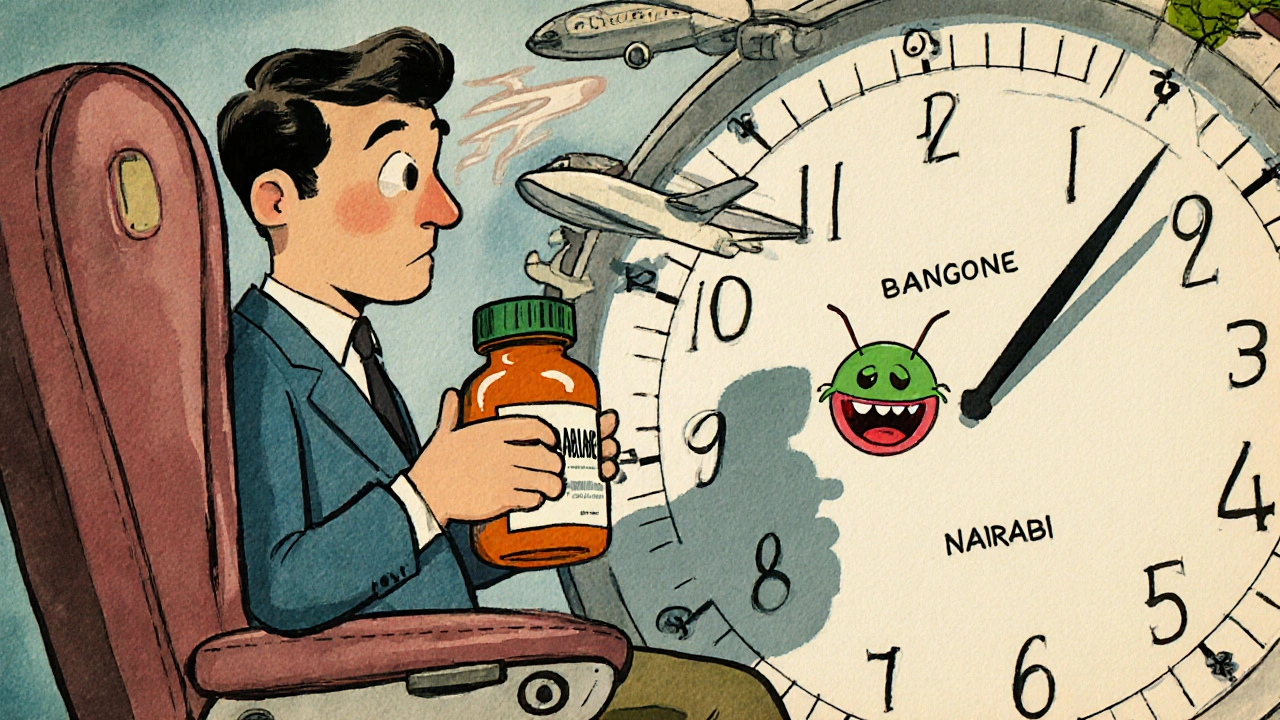
Learn how to time antimalarials and HIV medications across time zones to avoid treatment failure, drug resistance, and dangerous gaps in protection. Essential tips for travelers.
full article