
When your bones start to weaken, bisphosphonates, a class of drugs designed to slow bone loss and reduce fracture risk. Also known as bone resorption inhibitors, they’re one of the most common treatments for osteoporosis and other bone diseases. These aren’t painkillers or supplements—they’re targeted medications that change how your body breaks down bone tissue. If you’ve been told you have low bone density or a history of fractures, chances are your doctor talked about bisphosphonates. But what do they actually do, and why do some people stop taking them?
Bisphosphonates work by sticking to the surface of bone and telling the cells that break it down—osteoclasts—to slow down. This lets the bone-building cells (osteoblasts) catch up, leading to denser, stronger bones over time. They’re used for osteoporosis, a condition where bones become porous and fragile, increasing fracture risk, especially in postmenopausal women and older adults. But they’re also prescribed for bone metastases, when cancer spreads to the bones and causes pain or breaks, and rare disorders like Paget’s disease. The most common ones—alendronate, risedronate, ibandronate, and zoledronic acid—come as pills or yearly infusions. Each has different dosing, side effects, and rules for use.
They’re not without risks. Some people get stomach upset, muscle pain, or jawbone problems. Rarely, they cause unusual thigh fractures or a condition called osteonecrosis of the jaw. That’s why doctors don’t hand them out like vitamins—they’re meant for people with real, measurable risk. If you’re on them, you need to take them right: sit upright for 30 minutes after swallowing a pill, don’t eat or drink anything else for a while, and get regular dental checkups. Missing doses or taking them wrong can make them useless—or worse.
What you’ll find here isn’t just a list of drug facts. It’s real-world guidance from people who’ve taken these drugs, doctors who’ve managed their side effects, and studies that show what actually works. You’ll see how bisphosphonates fit into bigger pictures—like managing osteoporosis after a fracture, dealing with long-term use, or understanding why some patients switch to alternatives. Whether you’re just starting out or have been on them for years, this collection gives you the clear, no-fluff answers you need to stay safe and informed.
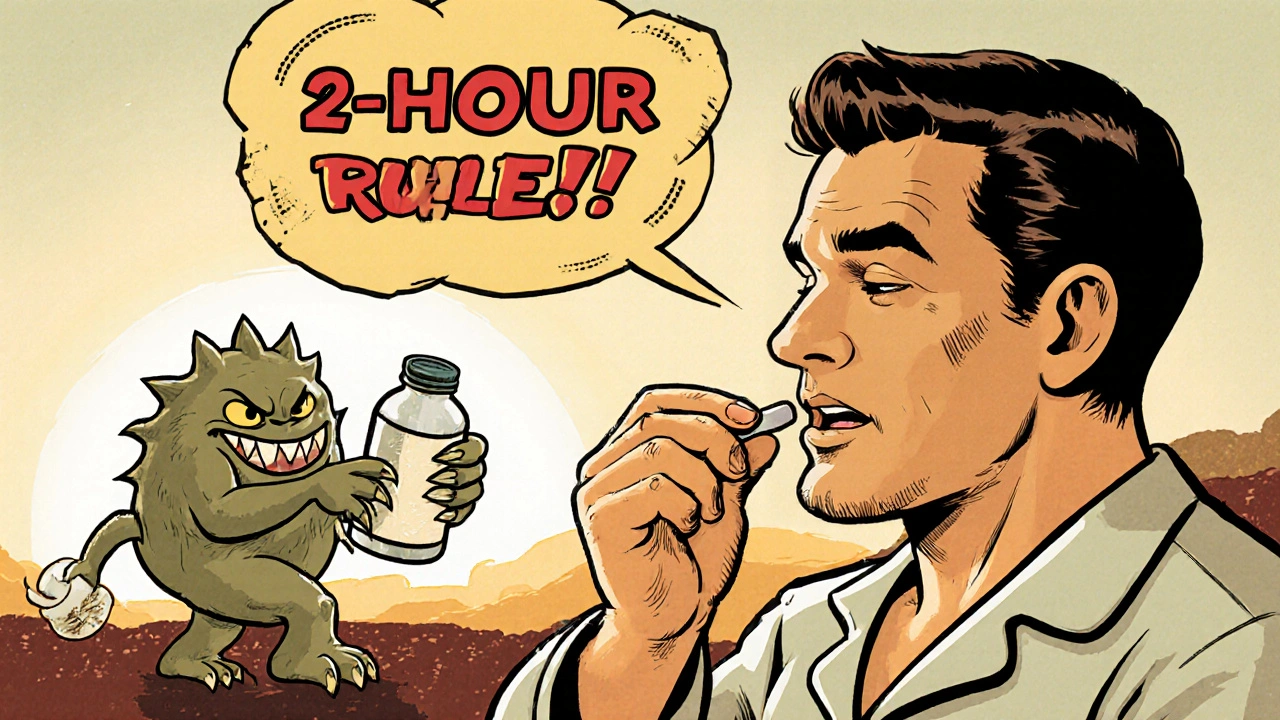
Magnesium supplements can block osteoporosis medications like Fosamax from working if taken too close together. Follow the two-hour timing rule to protect your bone density and avoid treatment failure.
full article