When you take a pill, you expect it to work the way it should—no surprises, no dangerous side effects, no fake ingredients. That’s not luck. It’s CGMP compliance, Current Good Manufacturing Practices, the set of rules that ensure medicines are consistently produced and controlled according to quality standards. Also known as cGMP, it’s the invisible shield between you and potentially harmful drugs. Without it, a batch of blood pressure medicine could have too much or too little active ingredient. A generic antibiotic might be contaminated. A diabetes pill might not dissolve properly. CGMP isn’t optional—it’s the backbone of every safe medication you use.
CGMP compliance isn’t just about cleaning machines or wearing gloves. It’s a system that forces manufacturers to prove every step is controlled: where ingredients come from, how they’re mixed, how the final product is tested, and what happens if something goes wrong. That’s where CAPA, Corrective and Preventive Actions, the formal process manufacturers use to fix and prevent quality problems comes in. If a batch fails a purity test, they don’t just throw it out—they dig into why it happened, fix the root cause, and make sure it never happens again. Most companies fail at this because they treat symptoms, not causes. But the ones that get CGMP right? They pass audits, avoid recalls, and keep patients safe.
And it’s not just about the factory. CGMP ties into everything from how drug interactions, the way medicines affect each other in your body are studied to how generic drugs, medications that are chemically identical to brand-name versions but cost less are approved. If a generic maker skips CGMP steps to save money, you might get a pill that looks the same but doesn’t work the same. That’s why some people switch between generics and notice side effects—because not all manufacturers follow the same rigor. CGMP ensures that when you see "bioequivalent," it actually means it.
You won’t see CGMP on your prescription label. But every time your medicine works as expected—whether it’s lowering your INR, helping with depression, or treating a retinal vein occlusion—it’s because someone followed the rules. The posts below show you exactly how CGMP connects to real-world issues: why timing your magnesium matters, how antibiotics can spike your warfarin levels, why black cohosh can damage your liver, and how manufacturers fix mistakes before they reach you. These aren’t theoretical debates. They’re life-or-death details hidden in plain sight. What you’re about to read isn’t just about compliance. It’s about trust.
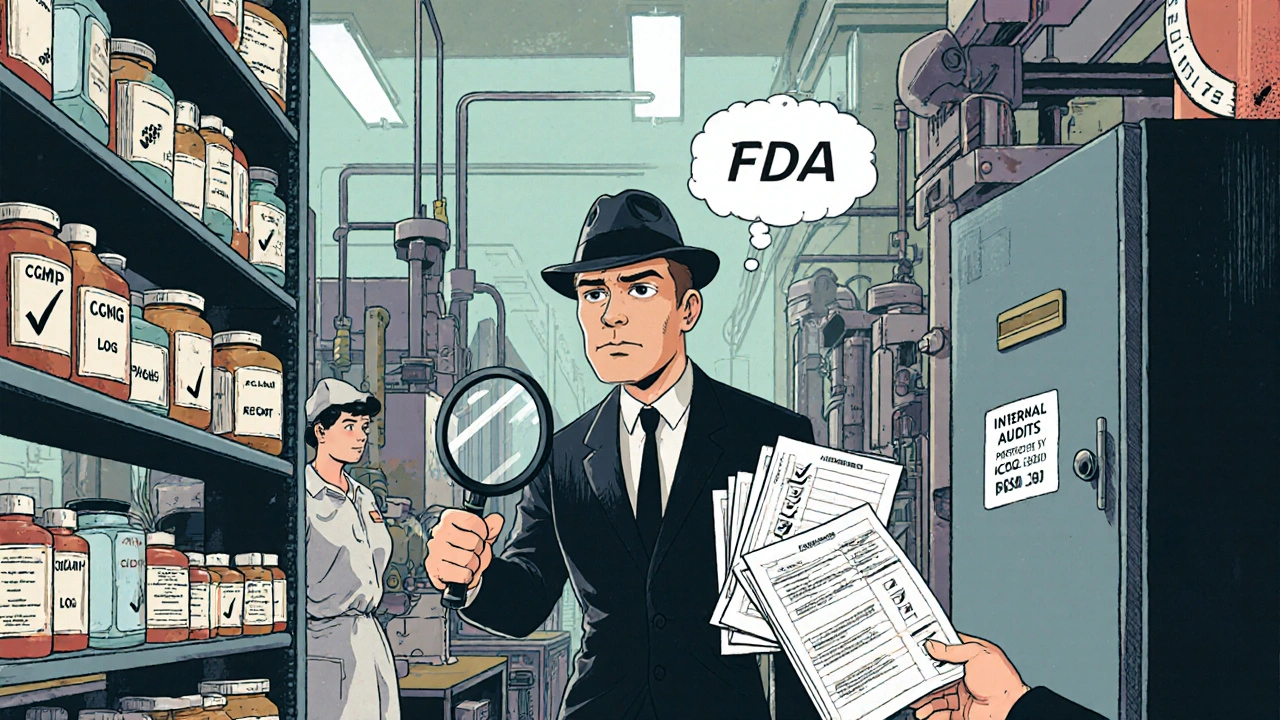
Learn how FDA inspection records work, what manufacturers must disclose, and why transparency in pharmaceutical and medical device production matters for public safety. Understand Form 483, remote inspections, and record retention rules.
full article