
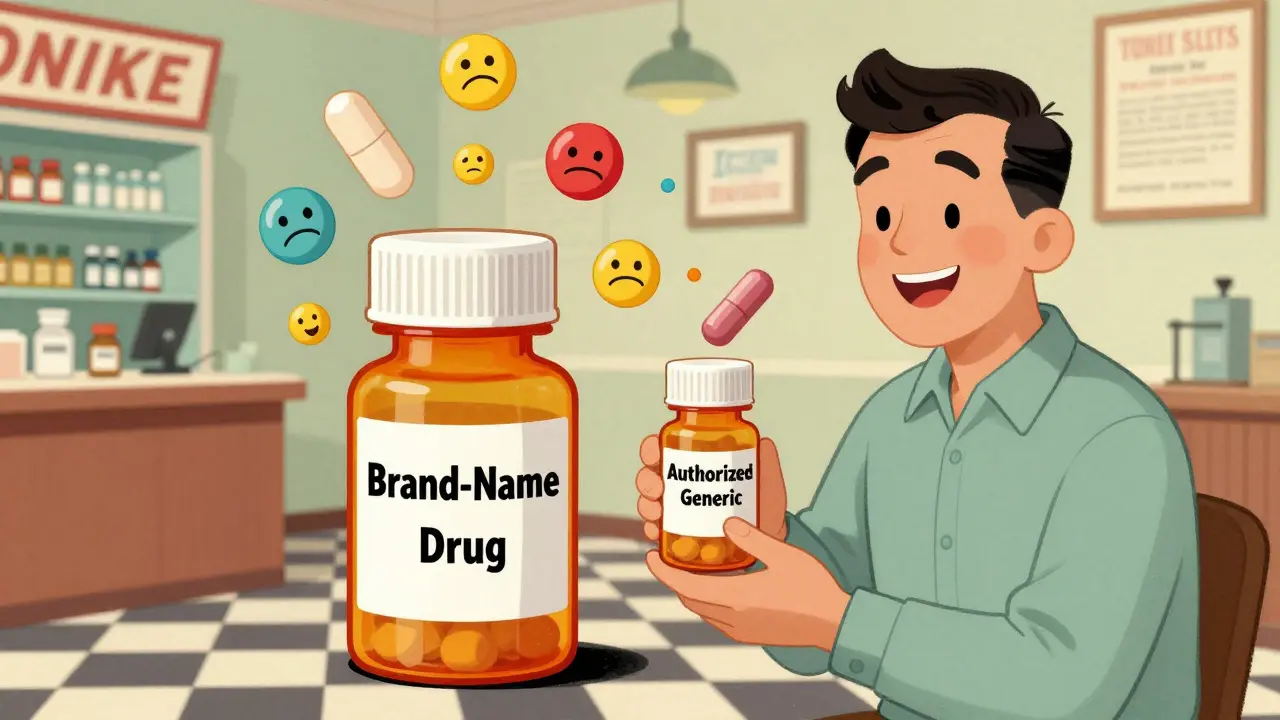
When you switch from a brand-name drug to a generic, you expect the same results - same effectiveness, same side effects, same safety. But sometimes, that’s not what happens. Patients report unexpected reactions: stomach upset, dizziness, or even a drop in medication effectiveness. The culprit? Not the active ingredient. It’s the inactive ingredients - the fillers, dyes, and binders that make up the pill’s structure. These vary between traditional generics and the original brand, and for some drugs, that small difference matters a lot.
What Are Authorized Generics?
Authorized generics are not your typical generic drugs. They’re made by the same company that produces the brand-name version, using the exact same formula - same active ingredient, same inactive ingredients, same manufacturing process. The only difference? No brand name on the label. They’re sold under a private label at generic prices. Think of it like buying store-brand soda that’s made in the same factory as Coca-Cola. Same taste. Same ingredients. Different label. The FDA defines them under Subsection 505(t)(3) as drugs that are marketed with different labeling or packaging than the original brand, but are identical in every other way. Because they’re produced under the original brand’s New Drug Application (NDA), they don’t need to go through the bioequivalence testing required for traditional generics. They’re already proven to be identical.Why Authorized Generics Are Different From Traditional Generics
Traditional generics only need to match the brand’s active ingredient. The FDA allows differences in fillers, color, shape, and coating. That’s why a generic version of your pill might be blue instead of white, or shaped like a capsule instead of a tablet. For most people, that’s fine. But for drugs with a narrow therapeutic index - where the difference between a helpful dose and a harmful one is tiny - even small changes can cause problems. Drugs like warfarin (a blood thinner), levothyroxine (for thyroid function), and certain epilepsy medications fall into this category. Studies show 32% of patients experience adverse reactions when switching between brand and traditional generics because of these formulation differences. A 2023 study in US Pharmacist found that patients on levothyroxine who switched to a traditional generic often saw their TSH levels fluctuate - a sign their thyroid hormone levels weren’t stable. When they switched to an authorized generic, those levels returned to normal. Authorized generics eliminate this risk. Since they’re exact copies of the brand, there’s no need to worry about different fillers. If your body reacted well to the brand, it will react the same way to the authorized generic.Cost Savings Without Compromise
You might think an exact copy of a brand-name drug would cost just as much. But it doesn’t. Authorized generics typically cost 15-20% less than the brand-name version. That’s because the manufacturer doesn’t need to spend money on marketing, advertising, or brand-building. The savings get passed on. The Federal Trade Commission found that when brand companies launched authorized generics during the 180-day exclusivity period of the first generic applicant, prices dropped 25-30% compared to markets without them. That’s not just savings for patients - it’s savings for insurers and Medicare too. According to CMS data from 2023, Medicare Part D covers authorized generics at generic copay levels 92% of the time. Commercial insurers do the same in 78% of cases. That’s better than many traditional generics, which sometimes get stuck in higher-tier formularies.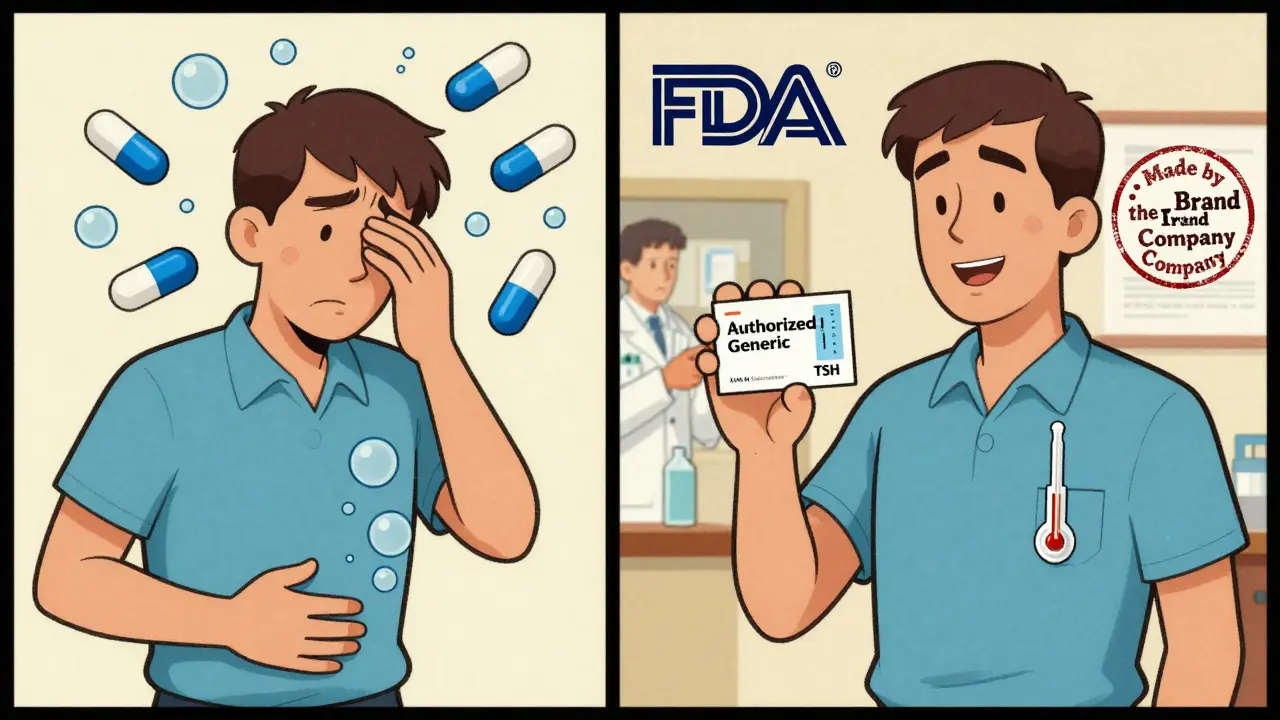
Why Aren’t They More Common?
Despite their benefits, only 15-20% of brand-name drugs have authorized generic versions available. Why? Because the decision to make one lies entirely with the brand manufacturer. They don’t have to. And sometimes, they choose not to - especially if they’re trying to protect their market. There’s controversy here. Under the Hatch-Waxman Act, the first generic company to challenge a brand’s patent gets 180 days of exclusive rights to sell the generic. But some brand companies launch their own authorized generic during that window. That floods the market with a cheaper version - but one made by the original company. This can cut the first generic’s profits and discourage future generic challengers. The Generic Pharmaceutical Association (GPhA) says 43% of authorized generics launched during that 180-day window. Critics argue this undermines the whole system meant to encourage competition. But for patients? It often means lower prices and more consistent medication.How to Get an Authorized Generic
You won’t see them advertised on TV. You won’t find them in a pharmacy’s front display. They’re quiet by design. To get one, you need to ask. Ask your pharmacist: “Is there an authorized generic for my brand-name drug?” Most chain pharmacies have systems to identify them through National Drug Code (NDC) cross-referencing. About 87% of chain pharmacies train staff to spot them. You can also check the FDA’s official list of authorized generics, updated quarterly. It’s not easy to navigate, but it’s the most reliable source. GoodRx and other price-comparison tools now flag authorized generics in their listings - look for the note “Made by the brand company.” If your doctor wrote “do not substitute,” you can still ask. Pharmacists can often switch you to an authorized generic even with that restriction, because it’s not a different drug - it’s the same one.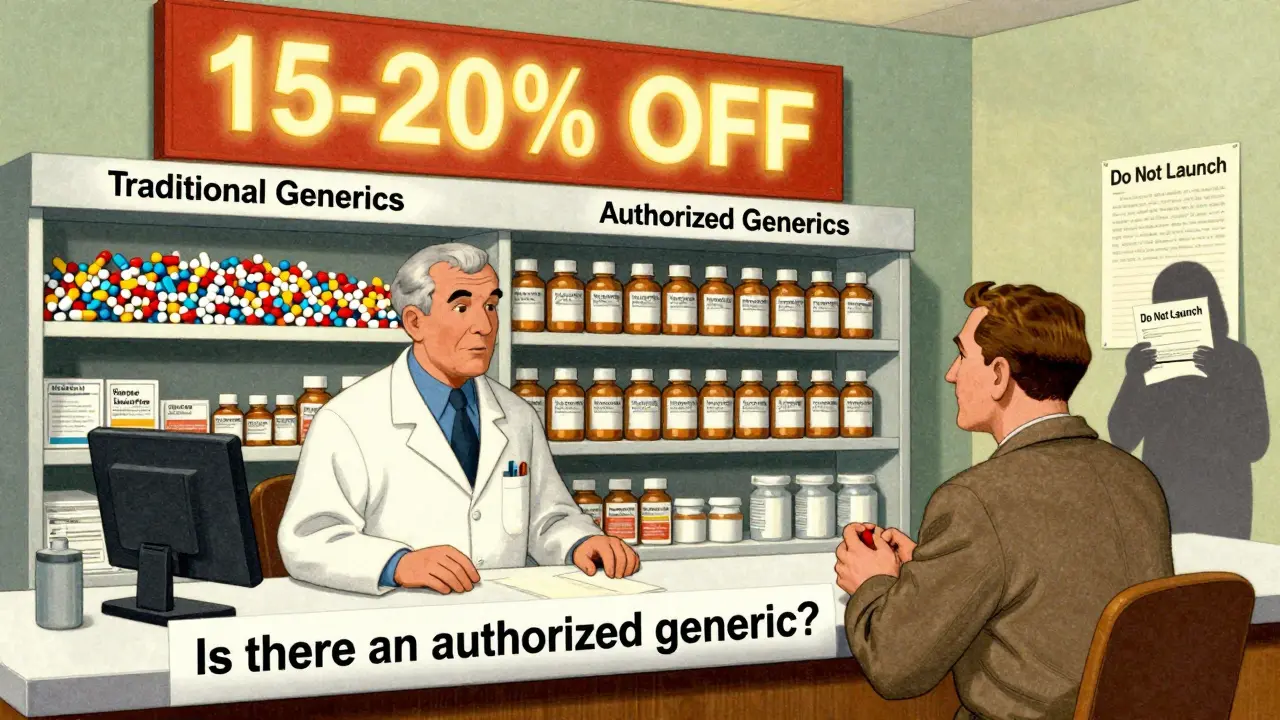
Who Benefits the Most?
Authorized generics aren’t for everyone. But they’re a game-changer for certain groups:- Patients on narrow therapeutic index drugs (warfarin, levothyroxine, phenytoin, cyclosporine)
- People who had bad reactions to traditional generics
- Those who need stability - like elderly patients on multiple medications
- Anyone who’s had insurance deny coverage for the brand but won’t cover a traditional generic
What’s Changing in 2024 and Beyond
The FDA plans to add a dedicated section for authorized generics in the Orange Book by mid-2024. Right now, they’re not listed, which makes them hard to find. This change will make them easier to identify for pharmacists and prescribers. The Biden administration’s 2022 Executive Order on Competition is pushing the FDA to crack down on strategic launches of authorized generics during the first generic’s exclusivity period. If enforcement improves, we could see more fair competition - and more authorized generics entering the market. Industry forecasts predict authorized generics will make up 12-15% of all generic prescriptions by 2026. That’s up from 8.7% in 2022. The demand is growing, especially for complex drugs where formulation consistency matters.Final Thoughts
Switching from a brand-name drug doesn’t have to mean trading quality for savings. Authorized generics give you the exact same medicine - same ingredients, same performance, same safety - at a lower price. They’re not magic. They’re not new. But for many people, they’re the missing piece in the puzzle of affordable, reliable medication. If you’ve ever felt something was “off” after switching to a generic, ask your pharmacist. Ask your doctor. You might be surprised to learn the answer isn’t to go back to the brand. It’s to ask for the version that’s actually identical to it.Are authorized generics the same as brand-name drugs?
Yes. Authorized generics contain the exact same active and inactive ingredients, dosage form, strength, and route of administration as the brand-name drug. They’re made by the same company, in the same facility, using the same process. The only difference is the label.
Why are authorized generics cheaper if they’re identical?
They’re cheaper because the manufacturer doesn’t spend money on branding, advertising, or marketing. The brand company already recovered its R&D costs. Selling the same drug under a private label lets them offer it at generic pricing - usually 15-20% lower than the brand.
Can I switch to an authorized generic if my doctor says "do not substitute"?
Yes. The "do not substitute" instruction typically applies to switching between brand and traditional generics - not authorized generics. Since authorized generics are identical to the brand, pharmacists can often fill the prescription with them even if substitution is restricted. Always check with your pharmacist.
Are authorized generics covered by insurance?
Most insurers cover authorized generics at the same generic copay level as traditional generics. Medicare Part D covers them 92% of the time. Commercial insurers cover them about 78% of the time. Always verify with your plan, but they’re generally treated like any other generic.
How do I find out if my drug has an authorized generic?
Ask your pharmacist or check the FDA’s official list of authorized generics, updated quarterly. You can also use tools like GoodRx - they now label authorized generics with a note saying "Made by the brand company." The list is limited, but growing.



8 Comments
Write a comment