When you take a pill, you trust it’s safe. But FDA inspection records, official reports from the U.S. Food and Drug Administration detailing inspections of drug manufacturing sites. Also known as pharmaceutical inspection reports, these documents are the public window into how companies actually produce your medications. They don’t just list violations—they show patterns: dirty floors, untrained staff, fake data, or worse. And when the FDA finds serious issues, it doesn’t just warn the company—it can block entire batches from reaching pharmacies.
FDA inspection records aren’t about big scandals alone. They’re about daily choices: whether a lab cleans its equipment properly, if a worker checks every tablet’s weight, or if a company hides test results. These records connect directly to the drugs you use every day. For example, if a plant making your generic blood pressure pill got flagged for poor quality control, that’s not just a footnote—it’s a risk you might be living with. And because many generics come from overseas, these inspections become even more critical. A plant in India or China might pass an inspection one year and fail the next, but you won’t know unless you check the records.
These reports also tie into real-world problems you’ve probably heard about: contaminated heparin, fake cancer drugs, or pills with too much or too little active ingredient. Behind each of those headlines is an inspection record that was ignored, delayed, or buried. The FDA doesn’t inspect every factory every month. It picks sites based on risk, past history, and complaints. That means some plants get checked often, while others fly under the radar for years. What you see in these records isn’t just compliance—it’s a snapshot of whether your medicine was made with care or cut corners.
And it’s not just about big pharma. Even small labs making niche generics or compounded drugs are subject to inspection. If you’re taking a custom hormone blend or a rare antibiotic, the same rules apply. The FDA doesn’t make exceptions based on price or popularity. If the rules aren’t followed, the product shouldn’t be sold. That’s why these records matter to everyone—not just regulators or pharmacists. They’re your proof that the system is working, or where it’s failing.
Below, you’ll find real cases and deep dives into how these inspections affect the drugs you use—from the safety of your antidepressants to the reliability of your diabetes pills. You’ll see how inspection findings link to side effects, recalls, and even why some generics work differently than others. These aren’t abstract reports. They’re the hidden backbone of your medication safety.
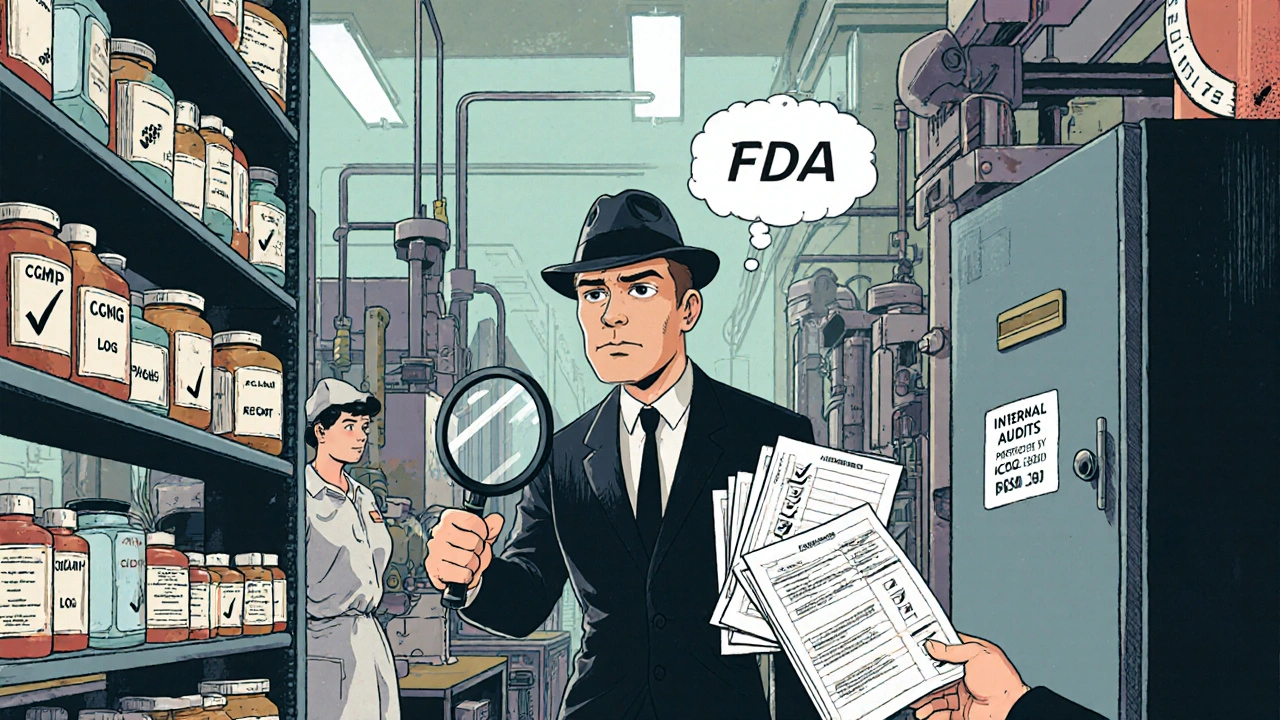
Learn how FDA inspection records work, what manufacturers must disclose, and why transparency in pharmaceutical and medical device production matters for public safety. Understand Form 483, remote inspections, and record retention rules.
full article