When you pick up a pill bottle, do you know who made it? Manufacturing transparency, the practice of clearly disclosing where and how medications are produced. Also known as pharmaceutical supply chain visibility, it’s the difference between a drug you can trust and one you’re guessing about. Most people assume all generics are the same—but that’s not true. Some are made in the same factory as the brand name. Others come from overseas plants with questionable inspections. Without transparency, you’re flying blind.
Generic drugs, lower-cost copies of brand-name medications are a big part of this. They’re not just cheaper—they’re supposed to be identical in active ingredients, strength, and how your body absorbs them. But if the factory hasn’t been inspected, or if the company won’t say where it’s made, you can’t be sure. That’s why some patients stick with the same generic brand, even if it costs more. They’ve seen what happens when switches go wrong—side effects change, effectiveness drops, or worse. Drug quality, the consistency and purity of medication from batch to batch isn’t something you should leave to luck. It’s tied directly to who made it, how they tested it, and whether regulators had access to their records.
Pharmaceutical sourcing, the process of tracking where raw ingredients and finished drugs come from is where transparency starts. In the U.S., the FDA inspects some foreign factories—but not all. In other countries, oversight is even looser. That’s why some people get sick from a generic version that’s supposed to be the same as the brand. It’s not the ingredient—it’s the filler, the coating, the way it was stored during shipping. And when you combine that with medication safety, the protection of patients from harmful errors or contaminated products, the stakes get higher. A single batch of bad pills can cause organ damage, allergic reactions, or even death.
You don’t need to be a scientist to ask the right questions. Ask your pharmacist: Where is this made? Has the factory been inspected by the FDA or another trusted agency? Can you see the manufacturer’s name on the label? If they can’t answer, it’s not because they don’t know—it’s because they’re not supposed to tell you. That’s the problem. Real transparency means the information is right there on the box, not hidden behind a phone call or a website you have to dig for.
The posts below show you exactly what’s at stake. From authorized generics made by the brand company itself, to how black cohosh can wreck your liver when mixed with common meds, to why antibiotics spike INR in warfarin users—each story ties back to one thing: knowing where your drugs come from and who’s responsible for them. You’ll see how small changes in manufacturing can change your health outcomes. You’ll learn how to spot the red flags on labels, when to insist on a specific brand, and why some generics are safer than others. This isn’t about fear. It’s about control. And it starts with asking: Who made this?
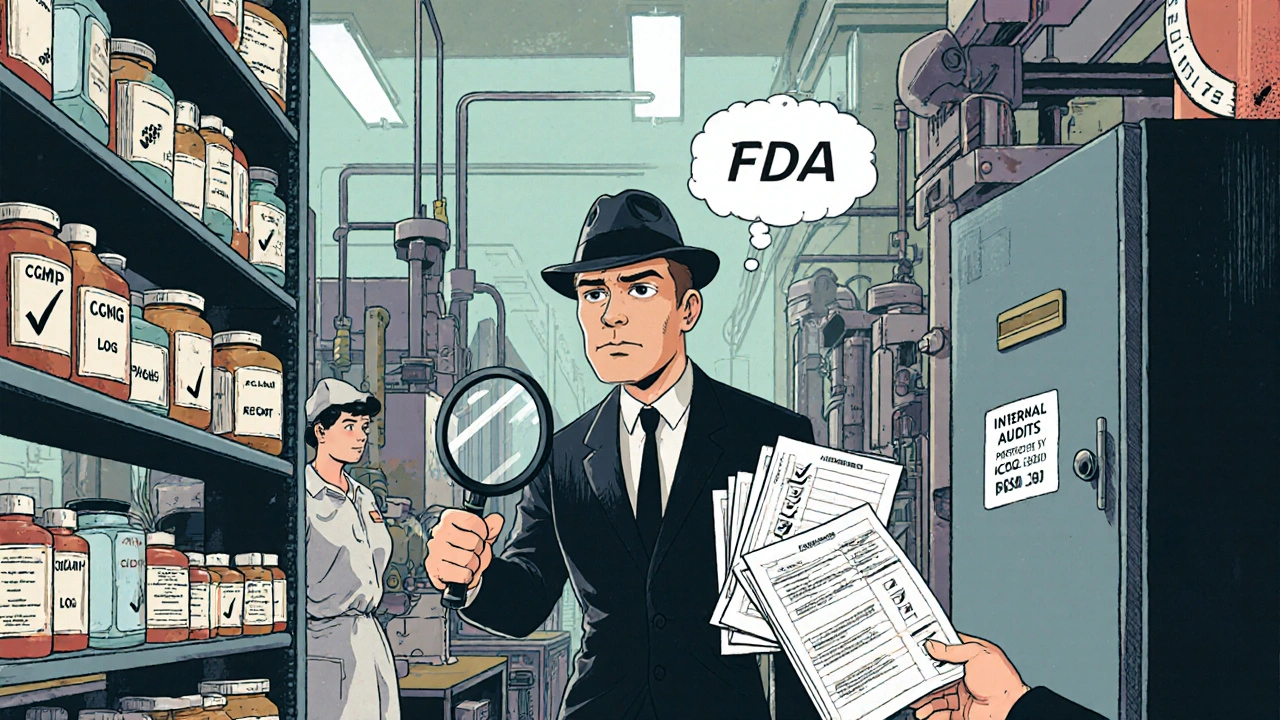
Learn how FDA inspection records work, what manufacturers must disclose, and why transparency in pharmaceutical and medical device production matters for public safety. Understand Form 483, remote inspections, and record retention rules.
full article