
When your bones start to weaken, osteoporosis medications, drugs designed to slow bone loss and reduce fracture risk. Also known as bone-strengthening drugs, they’re not just pills—you’re buying time to stay mobile, independent, and free from broken hips or spine fractures. This isn’t about getting older. It’s about staying strong while you do. Osteoporosis doesn’t always show symptoms until you fall, and by then, it’s too late to fix what’s already broken. That’s why these medications matter—they stop the silent erosion of your skeleton.
Most doctors start with bisphosphonates, a class of drugs that block cells that break down bone. Also known as bone resorption inhibitors, they include alendronate, risedronate, and zoledronic acid—taken weekly, monthly, or as an annual IV. They work. Studies show they cut hip fracture risk by up to 40%. But they’re not magic. You need to take them right—on an empty stomach, with plain water, staying upright for 30 minutes. Skip that, and you risk stomach irritation or, rarely, jawbone damage. Then there’s calcium supplements, the basic building blocks your bones need to rebuild. Also known as bone mineral support, they’re useless without vitamin D, the hormone that helps your body absorb calcium. Also known as the calcium activator, it’s not optional—it’s the key that unlocks calcium’s power. You can’t just pop a calcium pill and call it done. Without vitamin D, that calcium just passes through you.
Some people hear "medication" and think "side effects"—and they’re right to be cautious. Not all drugs fit all bodies. If bisphosphonates upset your stomach or you can’t swallow pills, there are alternatives: denosumab injections every six months, or teriparatide, a daily shot that actually builds new bone. But these cost more, and they’re not for everyone. What works for your neighbor might not work for you. That’s why your doctor needs to know your full history—kidney function, dental work, acid reflux, even how often you go outside. Sunlight isn’t just good for your mood—it’s your body’s main source of vitamin D. And if you’re not getting enough, no pill will fully protect you.
What you’ll find below are real, practical posts that cut through the noise. You’ll see how these medications really perform in everyday life, what side effects people actually report, how supplements interact with other drugs, and why some treatments fail not because they don’t work—but because they’re used wrong. No fluff. No hype. Just what you need to know to make smarter choices about your bones—and your future.
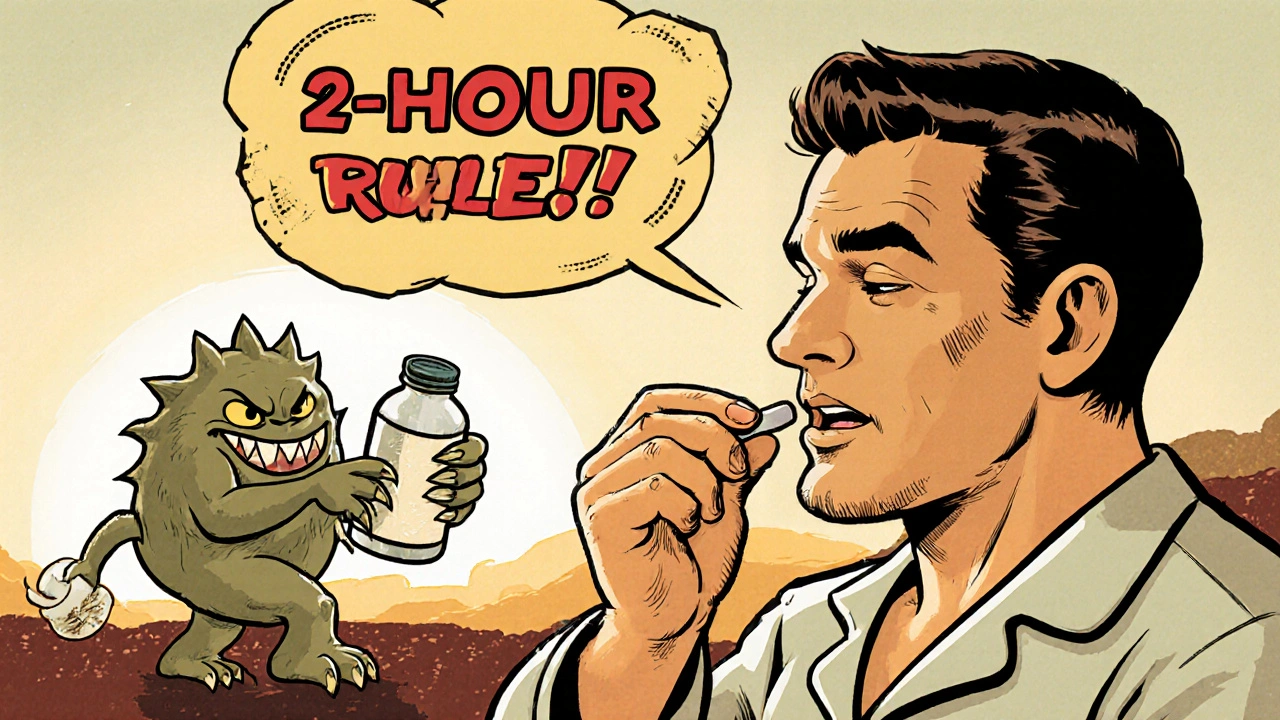
Magnesium supplements can block osteoporosis medications like Fosamax from working if taken too close together. Follow the two-hour timing rule to protect your bone density and avoid treatment failure.
full article