When you swallow a pill, you expect it to work the same way every time—whether it’s brand name or generic. That consistency isn’t luck. It’s the result of pharmaceutical quality control, a strict system of testing and standards that ensures medicines are safe, effective, and made the same way every batch. Also known as drug manufacturing compliance, it’s the invisible guardrail between you and harmful errors in your medicine.
This system doesn’t just check for the right ingredient. It looks at how the drug is made, how stable it is over time, how well it dissolves in your body, and whether it’s contaminated. Think of it like baking cookies: if the recipe, oven temperature, and flour quality aren’t controlled, some batches burn, others stay raw. In medicine, that’s not just inconvenient—it’s dangerous. That’s why generic medications, copies of brand-name drugs that must meet the same strict standards. Also known as bioequivalent drugs, they can’t be sold unless they dissolve in your body at the same rate and deliver the same amount of active ingredient as the original. That’s not marketing—it’s science enforced by regulators.
But quality control doesn’t stop at the factory. It extends to how drugs interact with each other. You might take a statin for cholesterol and an antibiotic for an infection. Without proper testing, that combo could spike your INR, damage your liver, or cause muscle breakdown. That’s why drug safety, the ongoing monitoring of how medicines behave in real patients after they’re approved. Also known as pharmacovigilance, it catches hidden risks—like how black cohosh can hurt your liver or how antibiotics can make warfarin dangerously unpredictable. These aren’t rare edge cases. They’re the reason quality control is continuous, not one-time.
And when you switch from one generic to another—maybe because your pharmacy changed suppliers—you’re relying on quality control to make sure nothing changes for you. That’s where bioequivalence, the measurable proof that two versions of a drug perform the same in your body. Also known as therapeutic equivalence, it is the gold standard. Not all generics are created equal, but the ones that pass bioequivalence tests are as reliable as the brand. The difference isn’t in the active ingredient—it’s in the fillers, the coating, the manufacturing process. And quality control makes sure those differences don’t affect your health.
What you’ll find below isn’t just a list of articles. It’s a look at how pharmaceutical quality control touches every corner of your medication use—from why authorized generics behave just like brand-name pills, to how a tiny change in a diabetes drug’s absorption can trigger hypoglycemia, to why mixing herbal supplements with prescription drugs can be a silent danger. These aren’t theoretical concerns. They’re real issues people face every day, and they’re all tied back to one thing: whether the medicine in your hand was made to a standard that keeps you safe.
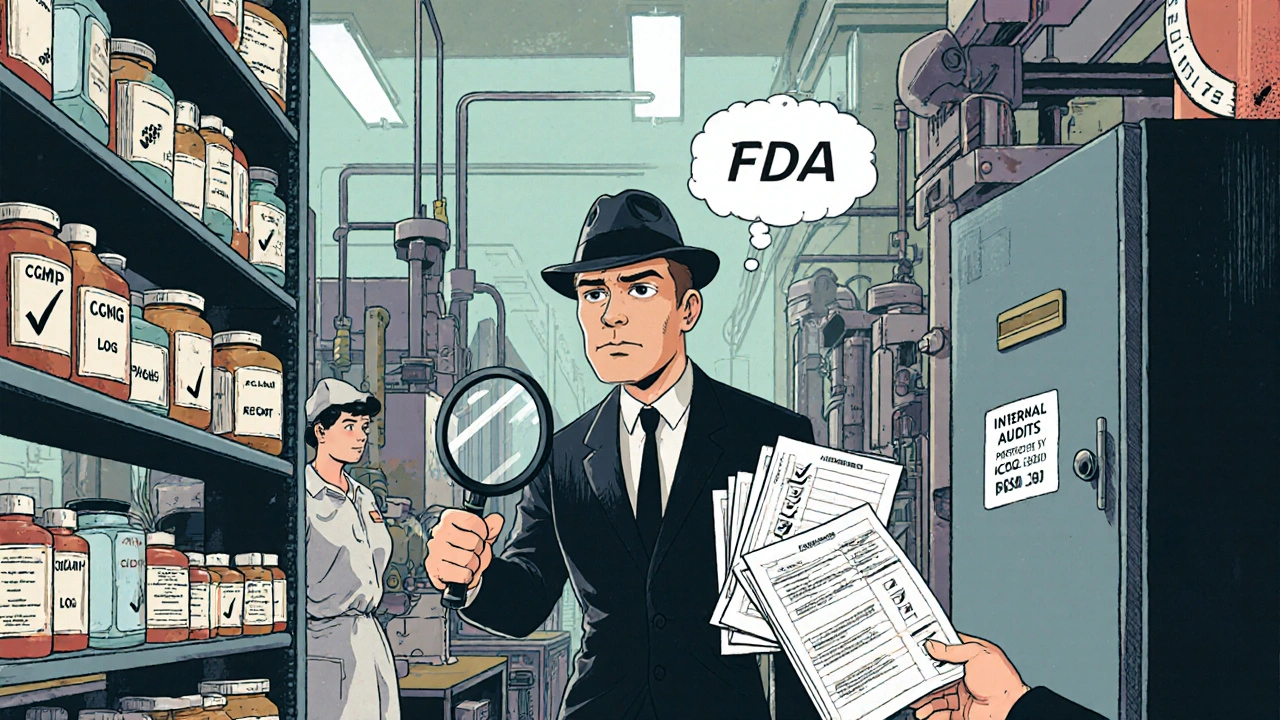
Learn how FDA inspection records work, what manufacturers must disclose, and why transparency in pharmaceutical and medical device production matters for public safety. Understand Form 483, remote inspections, and record retention rules.
full article