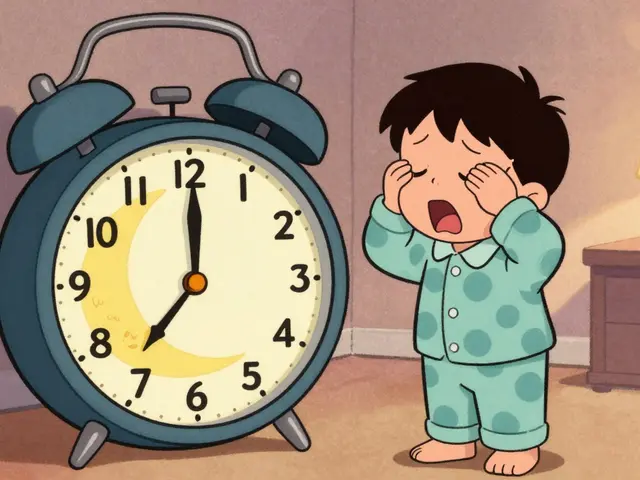
When you cross time zones, a system dividing the Earth into 24 regions based on local solar time. Also known as time zones, it helps synchronize daily life across regions. your body doesn’t reset with your phone. Your internal clock—your circadian rhythm, the 24-hour biological cycle that regulates sleep, hormone release, and drug metabolism—keeps ticking in your home time. That means if you take a pill at 8 a.m. New York time and fly to Tokyo, your body still thinks it’s 8 a.m. even though it’s 9 p.m. there. This mismatch can turn a safe dose into a risky one, especially for drugs with narrow windows like warfarin, insulin, or seizure meds.
Medication timing, the precise schedule for taking drugs to maximize effectiveness and minimize side effects isn’t just about morning or night—it’s about your body’s rhythm. Some drugs are absorbed better on an empty stomach, others need food to avoid nausea. Take a blood thinner like warfarin at the wrong local time, and your INR can spike or crash. Take a diabetes pill like meglitinide when you’re not eating, and you risk low blood sugar. Even something as simple as magnesium and osteoporosis meds needs a two-hour gap—something that’s easy to miss when you’re jet-lagged and confused about the clock. And don’t forget drug interactions, how one medication changes how another works in your body. Antibiotics can boost warfarin’s effect. Grapefruit juice can wreck your blood pressure pill. These risks don’t disappear when you travel—they multiply.
Pharmacies don’t adjust labels for time zones. Your prescription says "take once daily at 8 a.m."—it doesn’t say "8 a.m. Eastern" or "8 a.m. local." You’re expected to know the difference. That’s why people who travel often end up taking meds at 3 a.m. or 11 p.m. without realizing it. The result? More side effects, missed doses, or treatment failure. This isn’t theoretical. Studies show travelers on chronic meds have higher rates of hospital visits due to timing errors. And it’s not just international trips—daylight saving changes mess with schedules too. If you take a pill at 8 a.m. and the clock springs forward, you’re suddenly taking it an hour early. That’s enough to throw off your rhythm.
What you’ll find below isn’t a list of time zone converters or travel tips. It’s a collection of real, practical stories and science-backed advice about how time affects your meds—from how linezolid interacts with antidepressants across time zones, to why the timing of your osteoporosis pills matters more than you think when you’re on the move. These aren’t abstract ideas. They’re the kind of details that keep you safe, healthy, and in control—even when you’re halfway across the world.
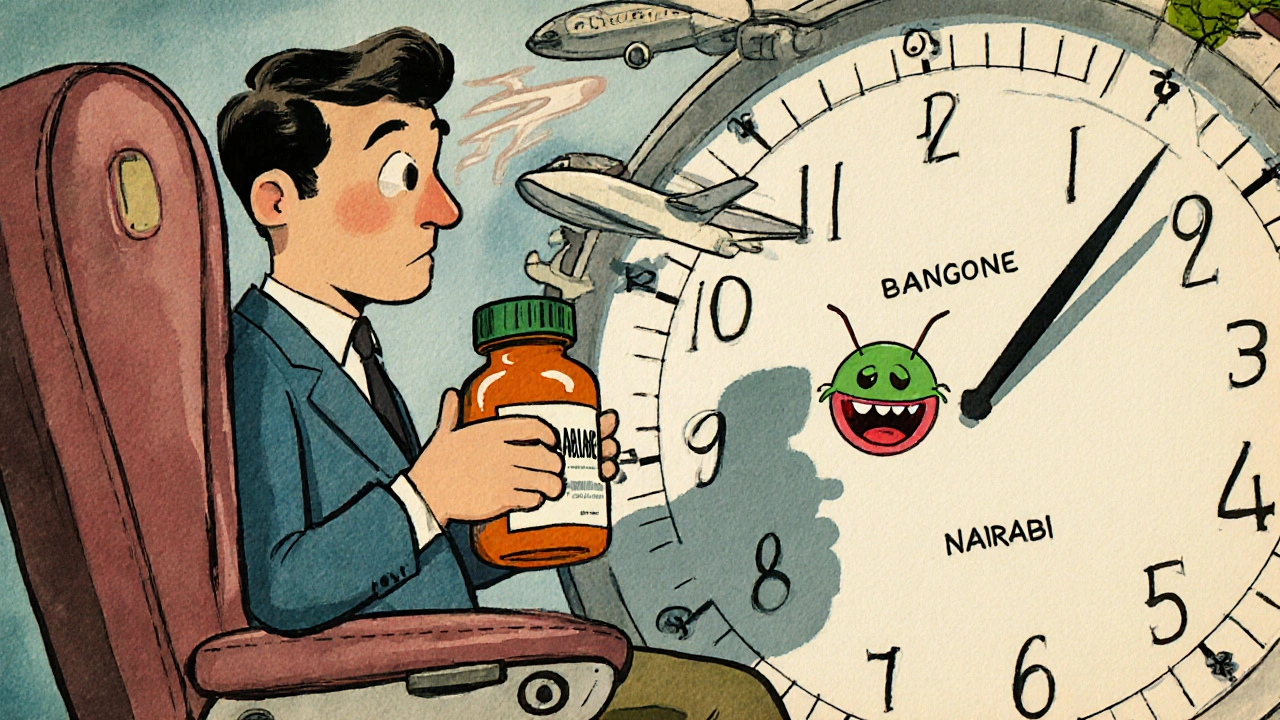
Learn how to time antimalarials and HIV medications across time zones to avoid treatment failure, drug resistance, and dangerous gaps in protection. Essential tips for travelers.
full article