
When you take a pill isn’t just a habit—it’s a timing rule, a scientifically determined schedule that ensures a drug works as intended and doesn’t cause harm. Also known as dosing schedule, it’s not about convenience. It’s about chemistry, biology, and your body’s natural rhythms. Missing the window by even an hour can lower effectiveness, spike side effects, or trigger dangerous interactions—especially with blood thinners, diabetes meds, or antibiotics.
Take warfarin, a blood thinner that needs stable levels to prevent clots without causing bleeding. Also known as anticoagulant therapy, it’s highly sensitive to timing rules, when you take it each day affects your INR levels. Also known as blood thinner targets, a shift from morning to evening can throw off your entire treatment. The same goes for meglitinides, fast-acting diabetes pills that only work if you eat right after taking them. Also known as repaglinide, if you skip a meal, your blood sugar can crash. These aren’t suggestions—they’re medical necessities.
Then there’s antibiotics, drugs that need consistent blood levels to kill bacteria. Also known as antibiotic adherence, taking them at random times lets resistant bugs survive. And don’t forget alfuzosin, a prostate med that causes dizziness if taken on an empty stomach. Also known as alfuzosin safety, it must be taken after meals—no exceptions. Even supplements like black cohosh, a herbal remedy for menopause. Also known as menopause supplements, can damage your liver if mixed with other meds at the wrong time.
Timing rules aren’t just about single drugs—they’re about how drugs talk to each other. Antibiotics can spike your INR if taken with warfarin. Benzodiazepines can stop your breathing if mixed with alcohol at night. Even generic versions of the same drug can behave differently if taken at inconsistent times. That’s why switching brands without checking your schedule can be risky. It’s not about cost. It’s about control.
Some pills need empty stomachs. Others need food. Some work better in the morning. Others at night. Your body has cycles—hormones, liver enzymes, gut activity—all of which affect how drugs are absorbed. Ignoring timing rules is like driving with the parking brake on: you’re moving, but not efficiently, and you’re wearing things down faster.
Below, you’ll find real-world guides that break down exactly when to take your meds, why it matters, and what happens when you get it wrong. From INR monitoring to antiviral adherence, from refill-by dates to how manufacturers track dosing errors—you’ll see how timing isn’t just a label. It’s the difference between healing and harm.
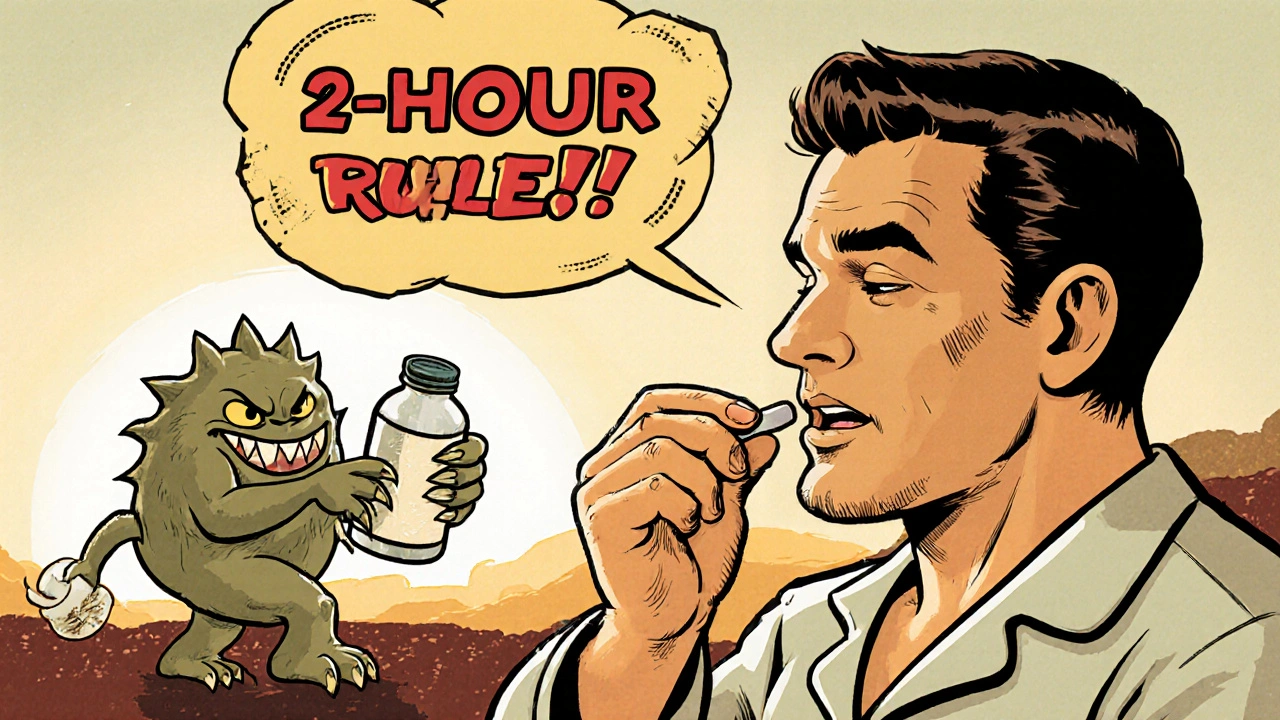
Magnesium supplements can block osteoporosis medications like Fosamax from working if taken too close together. Follow the two-hour timing rule to protect your bone density and avoid treatment failure.
full article