When you’re heading abroad, travel medications, prescriptions and over-the-counter drugs you carry for health needs while away from home. Also known as trip-ready meds, they’re not just backups—they’re your first line of defense against illness, discomfort, and emergencies on the road. Skipping this step is like flying without a seatbelt. You might get lucky, but the risk isn’t worth it.
Many people assume their regular meds will work the same overseas, but that’s not always true. generic drugs, medications identical in active ingredient to brand-name versions but often sold under different names abroad might not be available where you’re going, or they could be labeled differently. A pill you know as MiraLax in the U.S. might be called Movicol in Australia. And if you’re mixing OTC remedies, non-prescription treatments like pain relievers, antidiarrheals, or antihistamines with your prescriptions, you could trigger dangerous drug interactions, harmful reactions when two or more medications affect each other in the body. For example, taking a common antacid with your osteoporosis drug can block absorption. Or combining a sleep aid with an antibiotic might spike your INR levels—putting you at risk for bleeding.
You don’t need to carry your entire medicine cabinet. Focus on essentials: your regular prescriptions (in original bottles with labels), a basic first-aid kit, and targeted OTCs for common travel issues—diarrhea, motion sickness, headaches, and minor allergies. Know the timing rules: magnesium supplements and bisphosphonates need two hours apart. Antibiotics can interfere with blood thinners. Even natural products like black cohosh can hurt your liver if mixed with statins. These aren’t theoretical risks—they’re documented in real cases.
Traveling with meds isn’t just about packing. It’s about planning. Check if your drugs are legal in your destination country—some common painkillers or ADHD meds are controlled elsewhere. Carry a doctor’s note for controlled substances. Keep meds in your carry-on, not checked luggage. And always bring more than you think you’ll need—flights get delayed, trips get extended. The goal isn’t to overpack. It’s to be prepared for the unexpected without guessing.
Below, you’ll find real, practical guides on what works and what doesn’t when it comes to staying healthy on the move. From how to handle constipation with OTC options to avoiding deadly interactions between antidepressants and antibiotics, every post here is based on clinical evidence and patient experience—not marketing claims. You’ll learn how to read labels, spot fake generics, and use your meds safely whether you’re hiking in the Andes or sitting in a Bangkok airport. No fluff. Just what you need to stay well while you’re away.
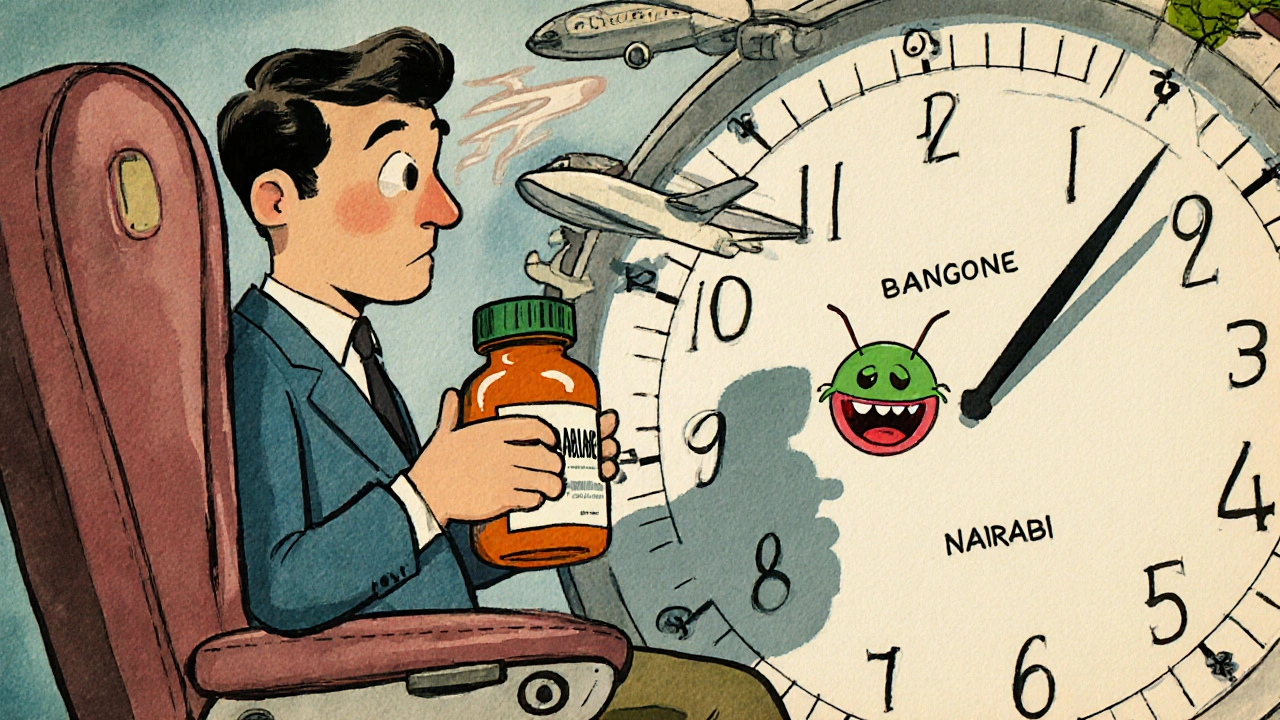
Learn how to time antimalarials and HIV medications across time zones to avoid treatment failure, drug resistance, and dangerous gaps in protection. Essential tips for travelers.
full article