
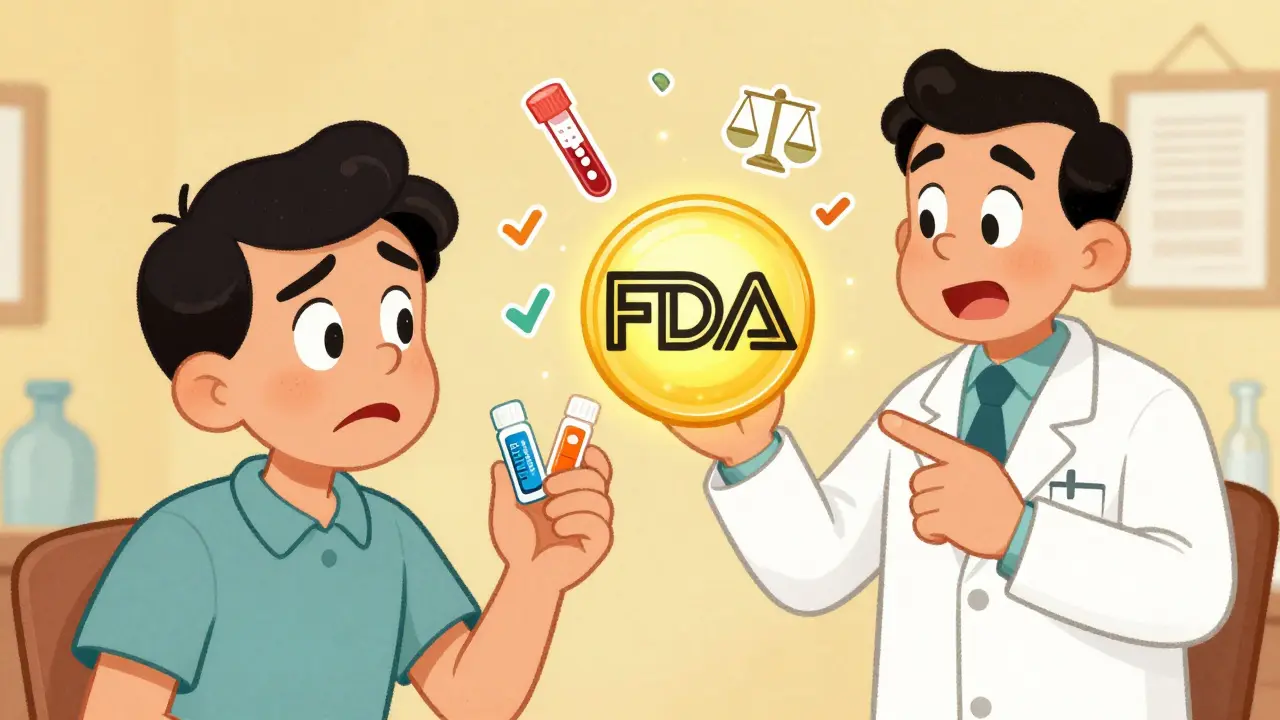
Many people feel unsure when they pick up a prescription and see a different-looking pill than what they’ve taken before. The label says it’s the same medicine-but it’s cheaper, and it doesn’t have the brand name they recognize. That’s a generic drug. And while generic medications are used in 9 out of 10 prescriptions in the U.S., many patients still have questions-and sometimes fears-about whether they really work the same way.
Are generic drugs really the same as brand-name drugs?
Yes. The U.S. Food and Drug Administration (FDA) requires that generic drugs contain the exact same active ingredient, in the same strength, and work in the same way as the brand-name version. That means if you take a generic version of lisinopril for high blood pressure, it does the same thing as the brand-name Zestril. The FDA doesn’t allow generics to be "close enough"-they must be bioequivalent. That means the amount of medicine your body absorbs is within 80% to 125% of the brand-name drug. This isn’t a guess-it’s tested in clinical studies using blood samples from volunteers to make sure the drug behaves the same way in your system.
Some people think generics are "weaker" because they cost less. But the price difference isn’t because the medicine is inferior. Brand-name drugs cost more because the company spent millions developing the drug, running clinical trials, and marketing it. Once the patent expires, other companies can make the same drug without repeating those expensive steps. That’s why generics can be 80% to 85% cheaper. In fact, about half of all generic drugs are made by the same companies that make the brand-name versions.
Why do generic pills look different?
If your generic pill is a different color, shape, or size than the brand-name one, that’s normal. The FDA allows differences in inactive ingredients-things like dyes, fillers, and coatings. These don’t affect how the medicine works, but they can change how the pill looks or tastes. That’s why a generic version of amoxicillin might be a blue oval instead of a white capsule. It’s still amoxicillin. The active ingredient is identical.
Some patients mistake these differences for a change in strength or quality. One rural patient told researchers, "Being generic, they have more in it to make it stronger." That’s a myth. Generics don’t have more active ingredient-they have the same amount. If you feel different side effects after switching, it’s likely because your body is reacting to a new filler or coating, not because the medicine itself changed.
Can generic drugs be fake or unsafe?
No. All generic drugs sold in the U.S. must pass the same strict quality controls as brand-name drugs. The FDA inspects manufacturing sites-both domestic and overseas-using the same standards. Since 2018, the FDA’s Risk Identification and Correction Action Program (RICA) has fixed over 1,200 potential quality issues in generic drug production. That’s more oversight than most people realize.
Counterfeit drugs are a problem in some countries, but not in the U.S. supply chain. Legitimate pharmacies, whether retail or mail-order, get their generics from FDA-approved manufacturers. If you’re worried, check the pharmacy’s license or ask your pharmacist where the medication comes from. You’re not buying from a random website-you’re getting a drug that’s been tested, tracked, and approved by the government.
Do generics cause more side effects?
Not because they’re generic. All medications-brand or generic-can cause side effects. Sometimes, when you switch from one pill to another, even if the active ingredient is the same, your body reacts to a different inactive ingredient. For example, someone might be sensitive to a dye used in the generic version and get a mild rash. That’s rare, but it happens. It’s not a sign the medicine is unsafe-it’s just a personal reaction.
One common concern is that generics cause more dizziness or headaches. In reality, these symptoms are often linked to the condition being treated, not the drug itself. If you notice new side effects after switching to a generic, talk to your doctor or pharmacist. They can help you figure out whether it’s the medication or something else.

Are there times when generics aren’t a good idea?
For most people, generics are perfectly safe and effective. But there are exceptions. Some drugs have what’s called a "narrow therapeutic index." That means the difference between a helpful dose and a harmful one is very small. Examples include:
- Warfarin (a blood thinner)
- Levothyroxine (for thyroid problems)
- Phenytoin and levetiracetam (for seizures)
With these drugs, even small changes in how your body absorbs the medicine can matter. That’s why doctors sometimes prefer to keep patients on the same version-brand or generic-once they’ve found what works. If you’re on one of these medications and your pharmacy switches you to a different generic, your provider may want to check your blood levels a few weeks later to make sure everything’s still on track.
But even here, switching between generics is usually fine. The problem isn’t generics themselves-it’s switching back and forth too often. Consistency matters more than the brand name.
Why do some people refuse generics?
It’s not just about cost. A 2014 study found that 46% of patients had asked their doctor to prescribe the brand-name drug instead of a generic. And among non-Caucasian patients, that number jumped to 56%. Many of these patients trusted the brand name because it was familiar. Others heard stories from friends or family who said the generic didn’t work as well.
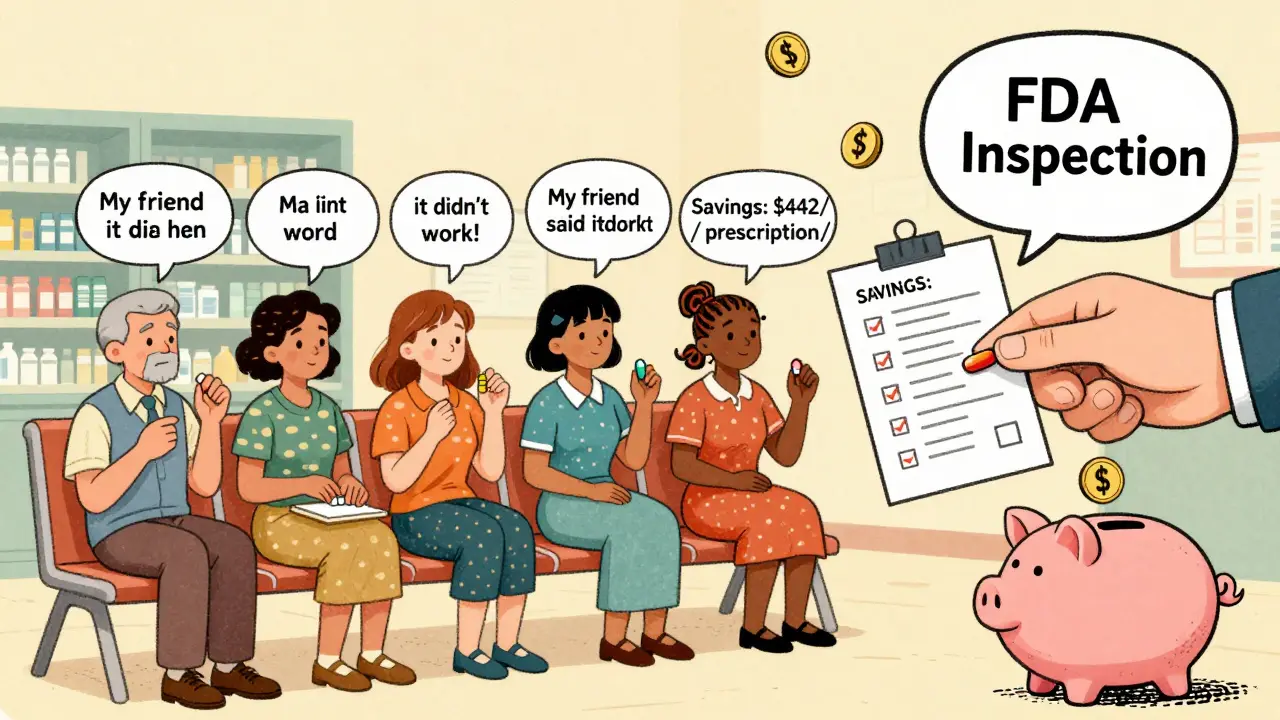
These beliefs often come from misinformation. One patient in a rural focus group said, "My friend was saying that [the] generic medicine she was taking was not as good as the regular medicine, and she would go back to the doctor to tell him because she was having a bad effect." That’s how myths spread-not because the medicine failed, but because the person didn’t know what to expect.
Pharmacists are often the first to hear these concerns. And they’re trained to answer them. If you’re unsure, ask your pharmacist. They can explain why the generic is safe, show you the FDA’s official statements, or even help you compare the brand and generic side by side.
How do I know if my insurance covers generics?
Most insurance plans encourage-or even require-generics because they save money. In fact, generic drugs save the U.S. healthcare system about $442 per prescription on average. Over the past decade, that adds up to $2.2 trillion in savings. Your copay for a generic might be $5, while the brand-name version costs $50 or more.
If your prescription comes back as "brand only," check with your pharmacist. Sometimes, the doctor didn’t know a generic was available. Or maybe the insurance system hasn’t updated yet. Pharmacists can contact your doctor’s office to request a switch to the generic version if it’s appropriate.
Just remember: if your doctor writes "Do not substitute" on the prescription, the pharmacy must follow that. But if they don’t, you’re allowed to get the cheaper version.
What should I do if I think the generic isn’t working?
First, don’t stop taking it. If your condition is getting worse, talk to your provider. But don’t assume it’s the generic’s fault. It could be that your condition changed, your diet shifted, or you missed doses. Give the generic at least 30 days to work before deciding it’s not right for you.
If you’re on a narrow therapeutic index drug, your doctor might want to check your blood levels. For other conditions-like high blood pressure, cholesterol, or diabetes-the best sign that the medicine is working is whether your numbers improve. If your blood pressure is still high after a month on a generic lisinopril, it’s not because it’s generic. It’s because you might need a different dose or a second medication.
Keep a simple log: note when you take the medicine, how you feel, and any side effects. Bring it to your next appointment. That helps your provider make better decisions.
Can I switch back to the brand name if I want to?
Yes-but it will cost more. If you’re paying out of pocket, you can ask your pharmacist for the brand-name version. But if you have insurance, your plan may require you to pay the full price difference. Some insurers let you request a brand-name drug for medical reasons-if you had a bad reaction to the generic, for example. Your doctor would need to submit a prior authorization form explaining why.
But ask yourself: is it worth the extra cost? For most people, the answer is no. The science is clear: generics work just as well. And if you’re saving hundreds a year on your prescriptions, that money can go toward healthier food, exercise classes, or even a better night’s sleep.
Are generic drugs less effective than brand-name drugs?
No. Generic drugs must meet the same FDA standards as brand-name drugs for active ingredients, strength, purity, and how well they’re absorbed by the body. They are required to be bioequivalent, meaning they work the same way in your system. Studies show no meaningful difference in effectiveness between generics and brand-name drugs for the vast majority of medications.
Why do generics cost so much less?
Generics cost less because manufacturers don’t have to repeat expensive clinical trials. The original brand-name company paid for the research, safety studies, and marketing. Once the patent expires, other companies can produce the same drug using the existing data. Multiple manufacturers entering the market creates competition, which drives prices down-even further.
Can I trust generics made outside the U.S.?
Yes. The FDA inspects all manufacturing facilities-whether in the U.S., India, China, or elsewhere-that supply drugs to American patients. These facilities must meet the same quality standards as U.S.-based plants. In fact, about 40% of all generic drugs sold in the U.S. are made overseas, and they’re held to the same rules.
What if I have an allergic reaction to a generic drug?
Allergic reactions are usually caused by inactive ingredients, not the active drug. If you had a reaction to a generic, it might be due to a dye, filler, or coating that wasn’t in the brand-name version. Tell your doctor and pharmacist right away. They can help you find a different generic version or switch back to the brand if needed.
Should I always choose the generic version?
For most people, yes. Generics are safe, effective, and save money. But for certain drugs with a narrow therapeutic index-like warfarin or levothyroxine-your doctor might recommend sticking with one version to avoid small changes in absorption. Always follow your provider’s advice, but don’t assume brand-name is better unless there’s a clear medical reason.
What’s next if I’m still unsure?
Ask questions. Talk to your pharmacist. They’re trained to explain how medications work and can show you the FDA’s official information. Ask your doctor if there’s a reason you shouldn’t use a generic. If your insurance won’t cover the brand-name version, find out if there’s a patient assistance program. Many drugmakers offer discounts-even for their own brand-name drugs-if you can’t afford them.
Remember: you’re not alone. Millions of people take generics every day without issue. The data is clear. The regulations are strict. And the savings are real. Choosing a generic isn’t settling for less-it’s making a smart, science-backed choice that helps your wallet and your health at the same time.


12 Comments
Write a comment