When you're pregnant and battling sneezes, itchy eyes, or a runny nose, choosing the right allergy meds pregnancy, medications used to treat allergic reactions during pregnancy, including antihistamines and nasal sprays. Also known as pregnancy-safe allergy treatment, it’s not about avoiding all drugs—it’s about picking the ones with the clearest safety record. Many women assume they must suffer through allergy season, but that’s not true. The right meds can make a real difference without putting your baby at risk.
Not all antihistamines, drugs that block histamine to reduce allergy symptoms like itching, sneezing, and congestion are created equal. First-generation ones like diphenhydramine (Benadryl) cross the placenta more easily and can cause drowsiness in both mom and baby. Second-generation options like loratadine and cetirizine? They’re much better studied, with decades of data showing they’re generally safe in pregnancy. Nasal sprays like fluticasone are also low-risk because they barely enter your bloodstream. But avoid decongestants like pseudoephedrine, especially in the first trimester—they can restrict blood flow to the placenta. And never assume a "natural" remedy is safe just because it’s herbal. Some, like black cohosh or certain essential oils, can trigger contractions or liver issues.
It’s not just about the drug itself—it’s about timing, dosage, and what else you’re taking. If you’re on other meds for asthma, thyroid, or depression, your allergy treatment might interact with them. For example, some antihistamines can make serotonin syndrome more likely if you’re on an SSRI. And if you’ve ever had a generic drug allergy, an allergic reaction caused by inactive ingredients like dyes or fillers in generic medications, you need to check the exact formulation—even if the active ingredient is the same. Lactose, corn starch, or red dye might be hiding in your "safe" pill.
What works for one person might not work for another. Some women find relief with saline rinses, air purifiers, or avoiding triggers like pollen or pet dander. Others need medication to breathe properly. The goal isn’t to go completely drug-free—it’s to use the least amount of the safest option possible. Your doctor or pharmacist can help you weigh the risks of untreated allergies (like poor sleep, stress, or asthma flare-ups) against the tiny risks of approved meds.
Below, you’ll find real-world insights from women who’ve been there, studies that back up what’s safe, and warnings about hidden dangers in common OTC products. Whether you’re in your first trimester or nearing your due date, this collection gives you the facts you need to make smart, calm choices—not guesswork or fear.
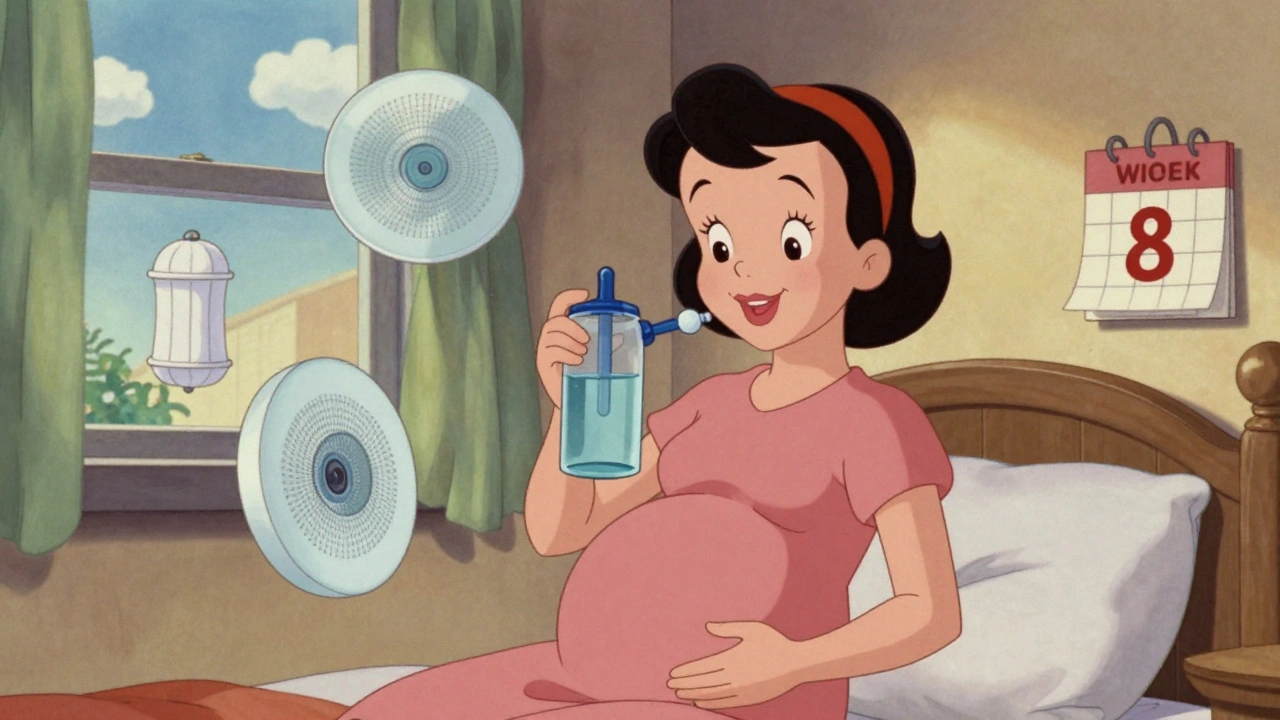
Learn which allergy medications are safe during pregnancy, by trimester. Discover the safest antihistamines, nasal sprays, and what to avoid-backed by current medical guidelines.
full article