When we talk about anal cancer HPV, a type of cancer caused by persistent infection with certain strains of the human papillomavirus. Also known as HPV-associated anal cancer, it’s not rare—it’s growing, especially among people with weakened immune systems or those who engage in receptive anal sex. Most people hear about HPV and think of cervical cancer or warts, but the same viruses—especially type 16—are now the leading cause of anal cancer in both men and women.
HPV doesn’t always cause symptoms, and the body clears it on its own in most cases. But when it sticks around for years, it can change the cells in the anal canal, leading to precancerous lesions called anal intraepithelial neoplasia (AIN). Left unchecked, AIN can turn into invasive cancer. The risk goes up if you’re HIV-positive, smoke, have a history of genital warts, or have had multiple sexual partners. Women who’ve had cervical or vulvar cancer are also at higher risk. It’s not just about sexual behavior—it’s about exposure, immune health, and time.
Screening for anal cancer isn’t routine like a Pap smear, but it’s available. High-risk groups, especially men who have sex with men and people with HIV, can get an anal Pap test or an anoscopy if abnormalities are found. Early detection saves lives. And the best part? You can prevent most of these cases. The HPV vaccination, a series of shots that protect against the most dangerous strains of the virus, including HPV-16 and HPV-18. Also known as Gardasil 9, it’s recommended for everyone from ages 9 to 45, even if you’ve already been exposed. The vaccine works best before any exposure, but it still helps if you’re older. It doesn’t just prevent genital warts—it prevents cancers.
What you’ll find in the posts below isn’t a list of medical jargon. It’s real talk about how medications, immune health, and screening choices connect to this issue. You’ll read about drug interactions that affect immune response, how supplements might help or hurt, and what steps actually reduce your risk. No fluff. No guesswork. Just what you need to understand, protect yourself, and ask the right questions.
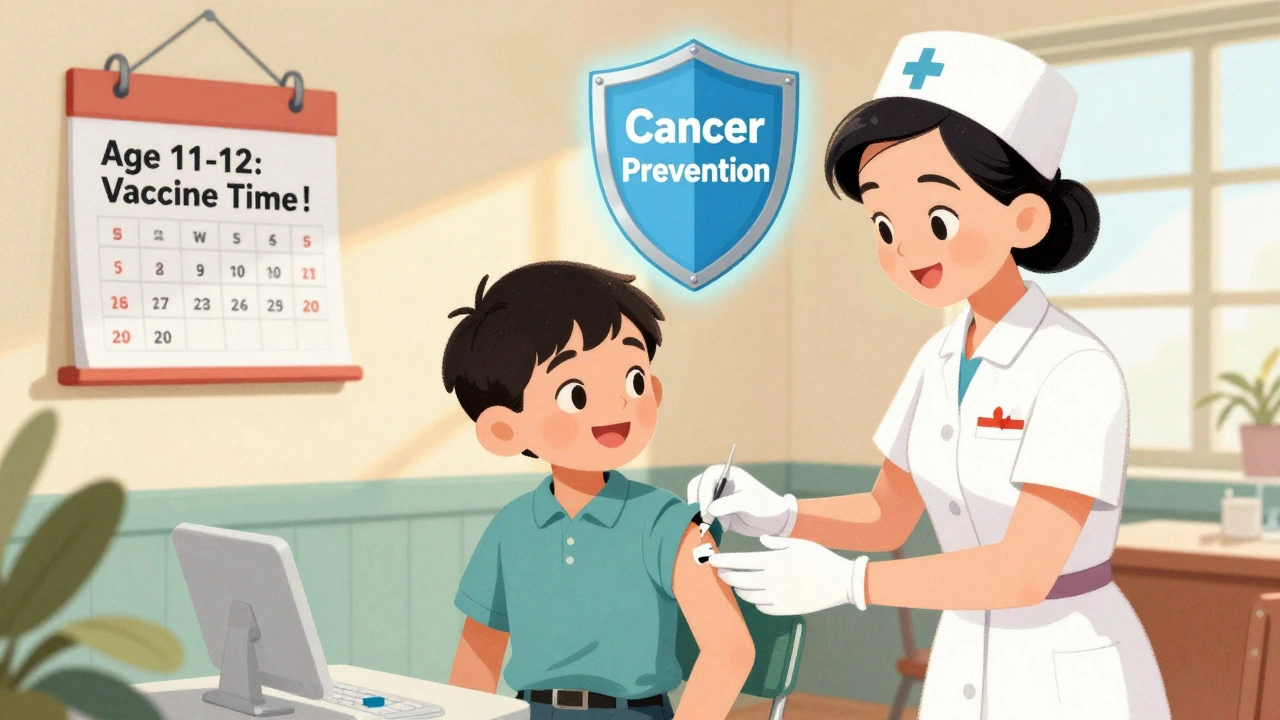
HPV causes throat, anal, and cervical cancers-but vaccination can prevent most of them. Learn how rising throat cancer rates in men highlight the urgent need for better vaccine uptake and why screening alone isn't enough.
full article