When you hear ankylosing spondylitis, a type of inflammatory arthritis that targets the spine and sacroiliac joints. Also known as axial spondyloarthritis, it doesn’t just cause back pain—it can lock your spine in place over time if left unchecked. Unlike regular back pain from lifting or sitting too long, this condition starts young, often in your 20s or 30s, and it’s not just about discomfort. It’s your immune system attacking your own joints, especially where your spine meets your pelvis.
The inflammation doesn’t stop at the spine. It can spread to your hips, shoulders, even your eyes, and over years, new bone forms where it shouldn’t, fusing vertebrae together. That’s spinal fusion, the hardening and joining of spinal bones that reduces flexibility—and it’s why people with this condition often lose their ability to bend or twist. But it’s not inevitable. Modern treatments can slow or even stop this process if caught early. NSAIDs, nonsteroidal anti-inflammatory drugs like ibuprofen or naproxen are the first line of defense. They cut inflammation fast and help most people stay active. But for those who don’t respond, biologic drugs, targeted medications that block specific immune signals like TNF-alpha can make a huge difference. These aren’t magic pills, but they’ve changed lives—letting people walk, work, and sleep without constant pain.
What you won’t find in most doctor’s offices is the real daily struggle: the stiffness that hits hardest in the morning, the fatigue that no amount of coffee fixes, the frustration when a simple task like tying your shoes becomes a chore. That’s why the posts here don’t just list drugs. They show you how to live with this condition—what actually works, what doesn’t, and how to avoid common mistakes like skipping physical therapy or mixing meds without knowing the risks. You’ll see how NSAIDs can interact with other drugs, why some biologics require regular blood tests, and how movement—not rest—is often the best medicine. This isn’t about theory. It’s about what people are doing right now to stay mobile, reduce pain, and avoid the worst outcomes.
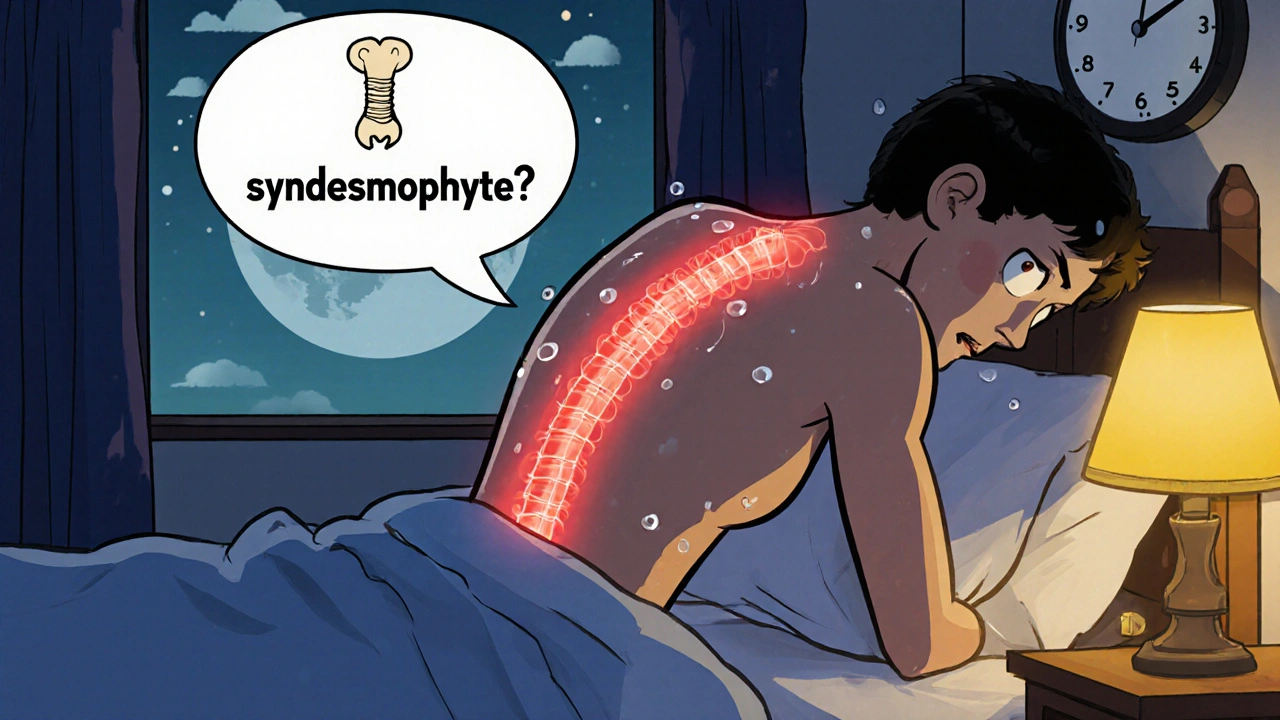
Ankylosing spondylitis causes chronic spine inflammation and stiffness, but early movement and treatment can prevent fusion. Learn proven mobility strategies, medication options, and daily habits to stay active and independent.
full article