When you take too much of an antihistamine, a medication used to block histamine and treat allergies, colds, or sleep issues. Also known as allergy pills, they’re common, cheap, and often seen as harmless—but too much can be dangerous. People think because they’re sold over the counter, they’re safe in any amount. That’s not true. An antihistamine overdose, happens when someone takes more than the recommended dose, either by accident or intentionally can cause confusion, rapid heartbeat, seizures, or even coma. It’s not rare. Emergency rooms see cases every week, especially in kids and older adults.
Not all antihistamines are the same. First-generation ones like diphenhydramine (Benadryl) and doxylamine (Unisom) cross the blood-brain barrier easily. That’s why they make you sleepy—and why overdosing hits the nervous system hard. Second-generation ones like loratadine (Claritin) or cetirizine (Zyrtec) are less likely to cause serious problems in overdose, but they’re not risk-free. Mixing them with alcohol, opioids, or sleep aids? That’s a recipe for slowed breathing or cardiac arrest. The drug interaction, when two or more medications affect each other’s effects or side effects can turn a mild mistake into a life-threatening event. Even if you feel fine at first, symptoms can sneak up hours later. That’s why calling poison control right away matters more than waiting to see what happens.
Signs of overdose aren’t always obvious. You might think drowsiness is normal—until the person can’t wake up. Dry mouth and flushed skin? Common side effects. But add blurred vision, hallucinations, or a racing heart? That’s a red flag. Kids are especially vulnerable. A single adult dose of Benadryl can knock a toddler into a deep, dangerous sleep. Older adults are at risk too—antihistamines can mimic dementia symptoms or trigger falls. And if someone takes them to self-treat insomnia, they might not even realize they’ve gone too far.
There’s no magic antidote. Treatment is about support: IV fluids, monitoring heart rhythm, sometimes activated charcoal if caught early. In severe cases, doctors use benzodiazepines to stop seizures or physostigmine to reverse brain effects—but only under strict supervision. The best move? Prevention. Keep pills locked up. Read labels. Never mix with alcohol or other sedatives. If you’re taking multiple meds, check with a pharmacist. And if you suspect an overdose—don’t wait. Call poison control or get to the ER. Time saves lives.
Below, you’ll find real cases and practical advice on how antihistamines interact with other drugs, why some people react worse than others, and how to use them safely without crossing the line into danger.
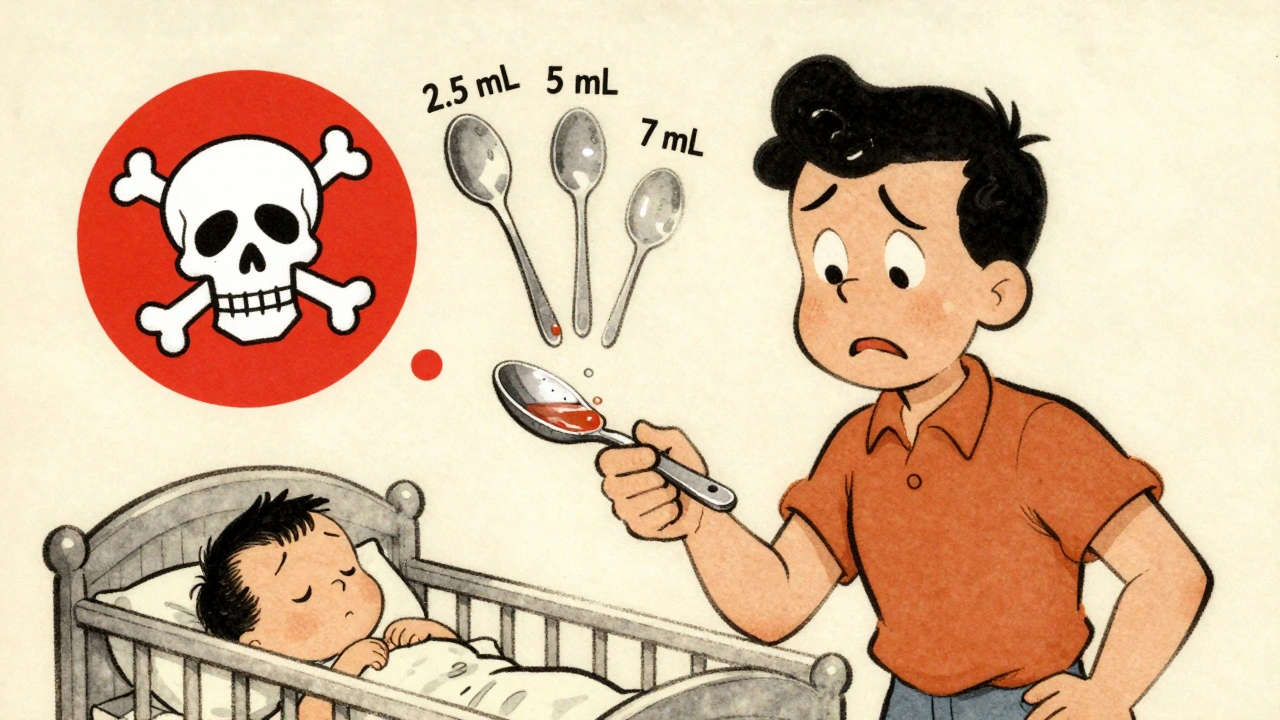
Learn how to safely dose antihistamines for children to avoid dangerous side effects. Discover why kitchen spoons, weight confusion, and outdated meds like Benadryl put kids at risk-and what to do instead.
full article