When your body fights a virus, antiviral medications, drugs designed to stop viruses from multiplying inside your cells. Also known as antiviral drugs, they don’t kill viruses outright—they slow them down so your immune system can catch up. Unlike antibiotics, which target bacteria, antiviral medications are built to interfere with specific parts of a virus’s life cycle—like blocking how it enters cells, stops it from copying its genetic material, or prevents it from spreading to new cells.
These drugs aren’t one-size-fits-all. herpes treatment, a common use case for antiviral drugs. Also known as oral antivirals for HSV, it often relies on drugs like acyclovir, valacyclovir, or famciclovir. These are the same pills that help reduce cold sore outbreaks or prevent shingles after chickenpox. For flu, oseltamivir (Tamiflu) can shorten symptoms if taken early. And for chronic infections like HIV or hepatitis B, long-term antiviral regimens keep the virus under control for years. But not all antivirals work for all viruses—what works for herpes won’t touch the common cold, and that’s by design.
What trips people up is the assumption that if a drug is called "antiviral," it’s a cure-all. It’s not. Most antiviral medications work best when started early—within the first 48 hours of symptoms. They’re also not magic shields. You can still catch a virus even if you’re on antivirals, especially if you’re exposed to a new strain. And here’s the catch: some antivirals can mess with other meds. Take drug interactions, a major concern when combining antivirals with other prescriptions. Also known as medication conflicts, they can spike liver enzymes, weaken blood thinners, or cause dangerous drops in kidney function. That’s why you can’t just grab an antiviral off the shelf and start taking it with your other pills. A simple mix—say, valacyclovir and a common painkiller—could be harmless for one person and risky for another.
You’ll find posts here that break down exactly which antivirals work for which viruses, how dosing changes for older adults or people with kidney issues, and which ones are worth the cost versus cheaper generics. Some articles compare Valtrex to its alternatives. Others warn about buying antivirals online without a prescription—something that’s become easier but riskier than ever. There’s also real talk about how some "natural" products claim to be antiviral but lack proof, and how alcohol can make these drugs less effective or more toxic.
Whether you’re managing herpes outbreaks, recovering from the flu, or just trying to understand why your doctor prescribed a daily pill for a virus you can’t even see—this collection gives you the facts without the fluff. No hype. No vague promises. Just what these drugs can and can’t do, based on real medical evidence and patient experiences.
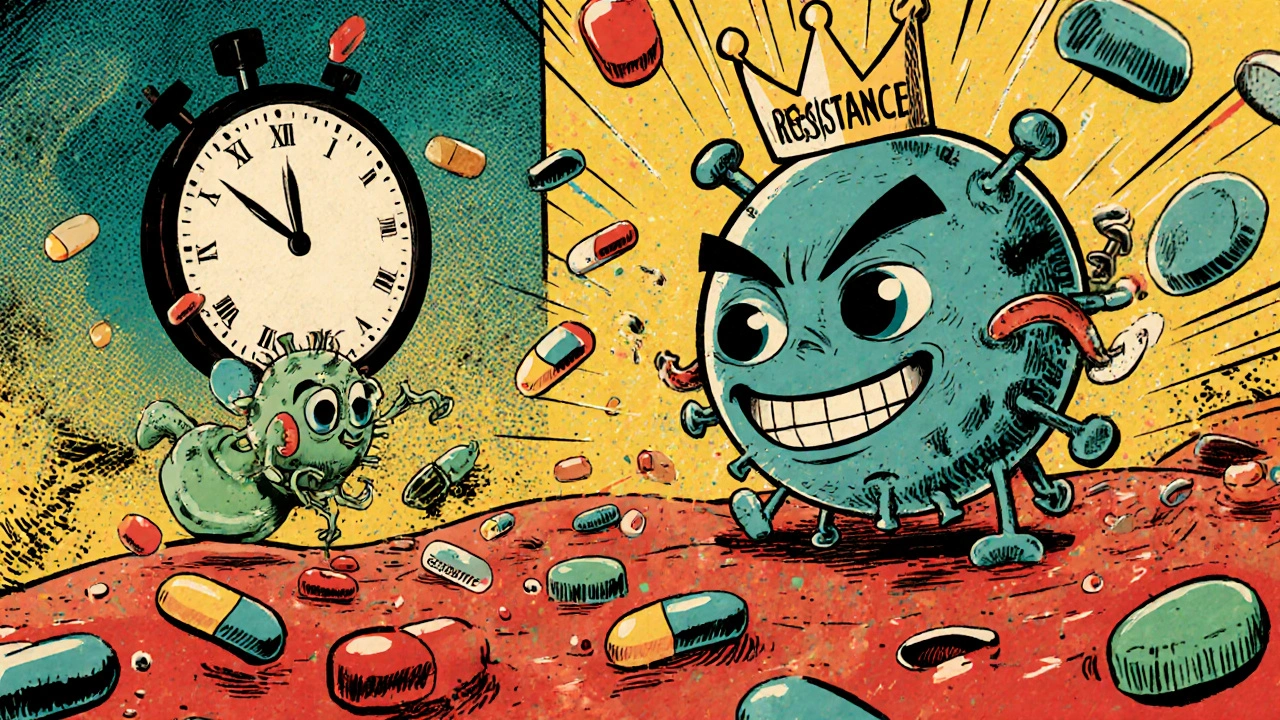
Antivirals can save lives, but resistance and side effects are real risks. Learn how resistance develops, what side effects to expect, and practical tips to stay on track with your treatment for better long-term outcomes.
full article