When antiviral resistance, the ability of viruses to survive and multiply despite antiviral drug treatment happens, drugs that once worked perfectly start failing. This isn’t science fiction—it’s happening right now with flu, HIV, hepatitis, and even herpes viruses. Viruses don’t need years to adapt; they can change in weeks. Every time you take an antiviral, you’re putting pressure on the virus to survive. Some will mutate, and if those mutations let them ignore the drug, they’ll multiply and spread. This is antiviral drugs, medications designed to block viral replication losing their power—not because they’re weak, but because the enemy learned how to dodge them.
It’s not just about taking meds incorrectly. Even when people follow instructions perfectly, resistance can still grow. That’s because viruses like influenza and HIV reproduce so fast and make so many copies that random mutations are inevitable. Some of those mutations accidentally help the virus survive the drug. If you’re on long-term antiviral therapy—say, for HIV or hepatitis C—and the virus isn’t fully suppressed, those resistant strains can take over. This is why doctors test for resistance before starting treatment, and why combo therapies are standard. Using two or three drugs at once makes it harder for the virus to mutate past all of them at once. But when people skip doses, stop early, or use leftover pills without a prescription, they make it even easier for resistant strains to win. And once a resistant strain spreads, it doesn’t just affect one person—it can become a public health problem.
viral mutations, random changes in a virus’s genetic code that can alter how it interacts with drugs or the immune system are the engine behind antiviral resistance. Think of it like a game of chess: the drug is one move, and the virus keeps trying new responses. Some mutations make the virus invisible to the drug. Others let it pump the drug out before it can work. Still others change the shape of the virus so the drug no longer fits. This is why some antivirals work for one strain but not another. It’s also why new antivirals are always needed. But here’s the catch: developing new ones takes years and costs billions. Meanwhile, resistant strains are already moving through communities.
What does this mean for you? If you’ve been prescribed an antiviral—whether for flu, shingles, or herpes—take it exactly as directed. Don’t save pills for next time. Don’t share them. Don’t stop just because you feel better. And if you’re using over-the-counter antivirals like acyclovir or oseltamivir, understand they’re not magic bullets. They work best when used early and correctly. Resistance isn’t just a hospital problem—it’s in your medicine cabinet. The drug resistance, the condition where pathogens no longer respond to treatments designed to kill or control them you’re reading about now isn’t just a lab curiosity. It’s why some people get sicker, stay sick longer, or need hospital care when they used to recover at home.
The posts below show real-world examples of how this plays out: from the rise of resistant herpes strains to why some flu patients don’t respond to Tamiflu, and how even common antivirals like Valtrex can lose effectiveness over time. You’ll also find guides on how to spot treatment failure, what to do if your meds stop working, and how to avoid contributing to the problem. This isn’t about fear—it’s about knowing what’s really going on so you can protect yourself, your family, and the next generation of treatments.
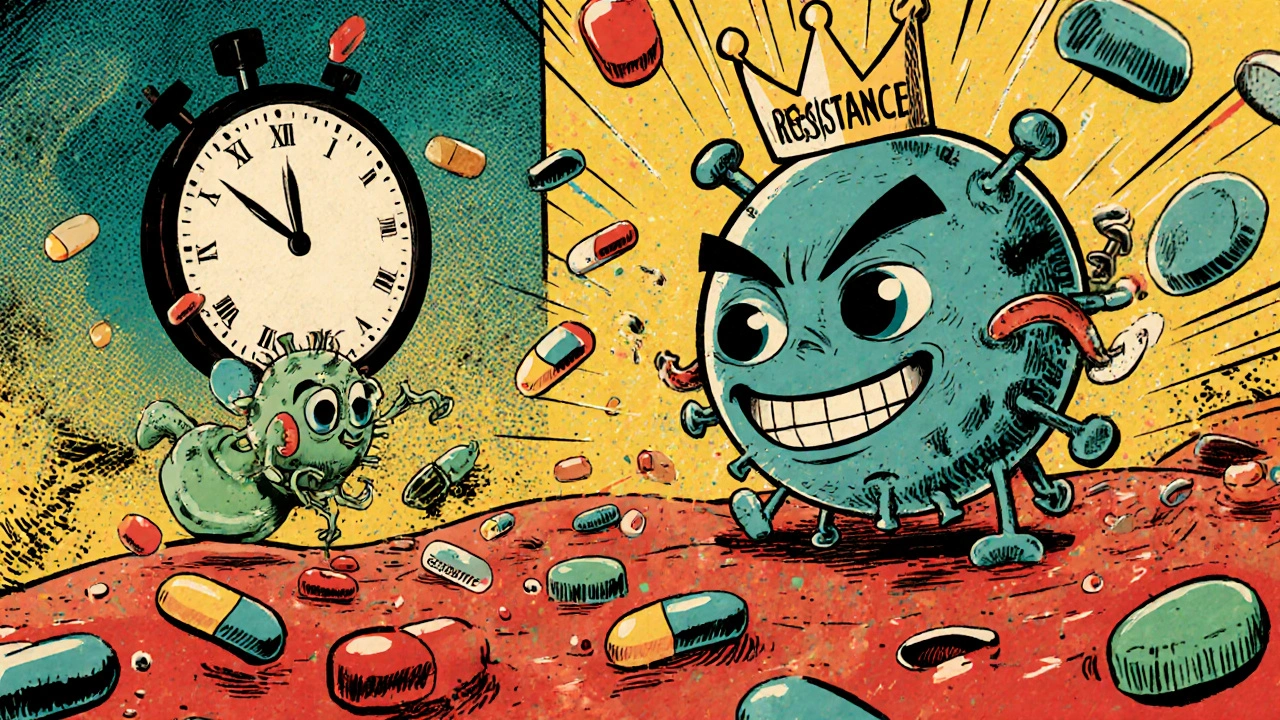
Antivirals can save lives, but resistance and side effects are real risks. Learn how resistance develops, what side effects to expect, and practical tips to stay on track with your treatment for better long-term outcomes.
full article