When you hear AS exercise, specific physical activities designed to maintain mobility and reduce inflammation in ankylosing spondylitis. Also known as ankylosing spondylitis exercise, it's not optional—it's a core part of treatment, just like medication. This isn't about lifting weights or running marathons. It's about keeping your spine flexible, your joints moving, and your body strong enough to handle daily life without getting stuck in pain.
Ankylosing spondylitis, a chronic inflammatory disease that mainly affects the spine and sacroiliac joints doesn't just cause back pain. Over time, it can fuse vertebrae together, leading to a rigid spine and loss of movement. That’s where spinal mobility, the ability to bend, twist, and extend your spine without pain or restriction becomes critical. Without regular movement, stiffness sets in fast. Studies show people who skip daily AS exercise see their mobility decline twice as fast as those who stick with it. And it’s not just your back—hips, shoulders, and even your chest can stiffen up, making it harder to breathe deeply or reach for things.
Physical therapy, a structured approach to movement that includes tailored exercises, posture training, and manual techniques often guides people with AS, but you don’t need a therapist every day. What you do need is consistency. Simple routines—like morning stretches, core strengthening, and swimming—can make a bigger difference than fancy gear or expensive equipment. And while inflammation management, the process of reducing chronic inflammation through medication, diet, and movement relies on drugs like NSAIDs or biologics, exercise is the only tool that directly fights joint stiffness and muscle weakness caused by the disease.
People with AS often think rest is the answer when they hurt. But rest without movement makes things worse. The pain doesn’t go away because you sit still—it grows because your body forgets how to move. That’s why the best time to do AS exercise isn’t when you feel great—it’s when you feel stiff, sore, or tired. That’s when your body needs it most.
You won’t find miracle cures in these posts. But you will find real advice from people who’ve lived with AS, therapists who’ve seen what works, and clear breakdowns of exercises that actually help. Whether you’re just starting out or have been dealing with this for years, the guides below cover what to do, what to avoid, and how to stick with it when motivation drops. No fluff. No hype. Just what moves the needle—literally.
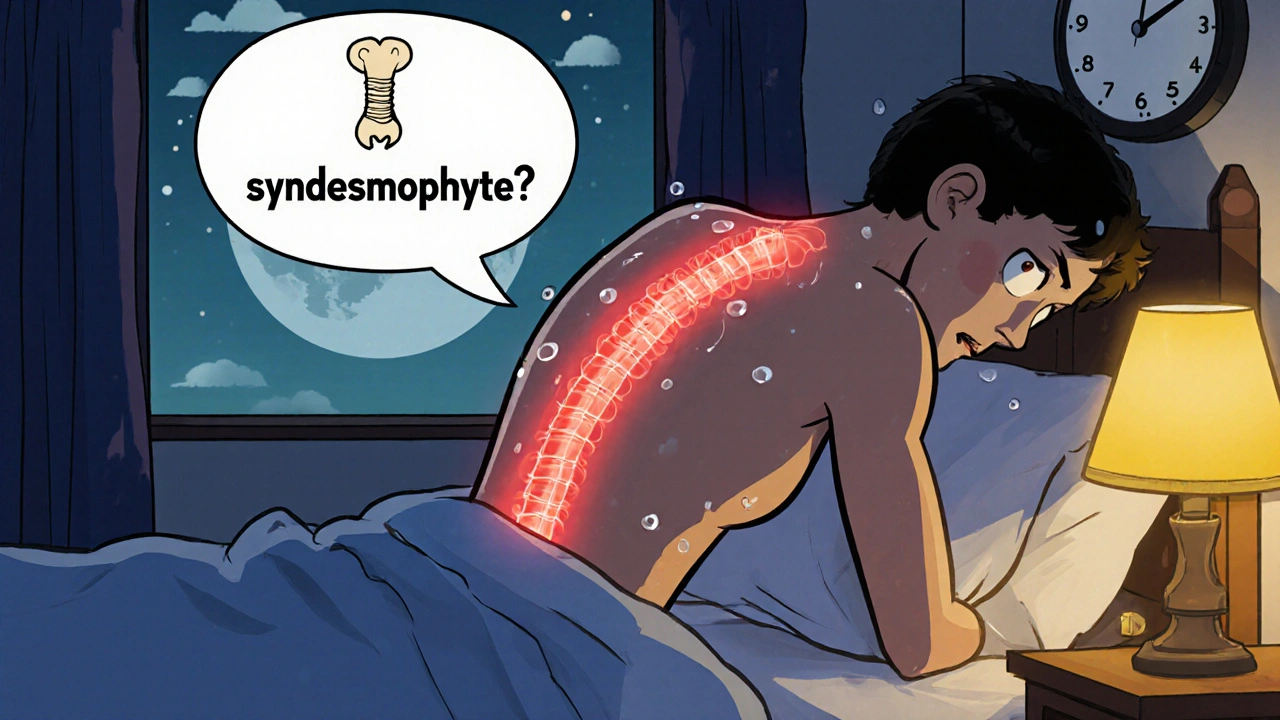
Ankylosing spondylitis causes chronic spine inflammation and stiffness, but early movement and treatment can prevent fusion. Learn proven mobility strategies, medication options, and daily habits to stay active and independent.
full article