When your child has allergies, a bug bite, or a bad cold, Benadryl, a common over-the-counter antihistamine used to treat allergic reactions in children. Also known as diphenhydramine, it’s one of the first medicines many parents reach for—but it’s not always the safest choice. Many assume it’s harmless because it’s sold without a prescription, but giving it to kids without knowing the right dose or watching for side effects can backfire quickly.
Benadryl works by blocking histamine, the chemical your body releases during an allergic reaction. That helps with sneezing, runny nose, itchy eyes, and hives. But it also crosses into the brain, which is why kids often get drowsy after taking it. Some parents use it as a sleep aid, thinking it’s a gentle way to help their child rest. But the FDA doesn’t recommend using antihistamines like Benadryl for sleep in children under six. In fact, some kids react the opposite way—they become hyper, irritable, or even have hallucinations. These reactions aren’t rare. A 2021 study in the journal Pediatrics found that over 2,000 emergency visits each year in the U.S. are linked to accidental overdoses of children’s Benadryl, mostly from misreading labels or mixing it with other cold meds.
Another big risk is mixing Benadryl with other medicines. Many children’s cold and flu products already contain diphenhydramine, so giving extra Benadryl on top can easily lead to overdose. You might think you’re helping, but you’re doubling the dose without realizing it. Even something as simple as giving Benadryl and a nighttime cough syrup together can push your child into dangerous territory. The same goes for giving it with certain ADHD meds or asthma inhalers—interactions can make side effects worse. Always check the active ingredients on every bottle before combining anything.
Age matters too. For kids under two, Benadryl should only be used if a doctor says so. Between two and six, the dose depends on weight, not age. A 30-pound child needs a different amount than a 50-pound child, but most parents just grab the "child" bottle and guess. That’s risky. The right dose is usually 12.5 mg every 4 to 6 hours, but never more than four doses in 24 hours. Liquid forms are easier to adjust, but make sure you’re using the right measuring tool—never a kitchen spoon. A teaspoon isn’t a milliliter, and a tablespoon isn’t 15 mL unless it’s the one that came with the medicine.
There are better options now for kids with allergies. Second-generation antihistamines like cetirizine (Zyrtec) or loratadine (Claritin) last longer, don’t cause drowsiness, and have fewer side effects. They’re often the first choice for doctors today. Benadryl still has its place—for sudden hives, bug bites, or short-term relief—but it shouldn’t be your daily go-to. If your child needs allergy medicine every day, talk to your pediatrician about switching to something safer and more sustainable.
What you’ll find in the articles below isn’t just a list of uses or warnings. You’ll see real cases, clear dosage charts, and what doctors actually recommend when Benadryl isn’t the answer. We’ll break down how to read labels, spot hidden diphenhydramine in other meds, and when to skip it entirely. No fluff. Just what you need to keep your child safe and informed.
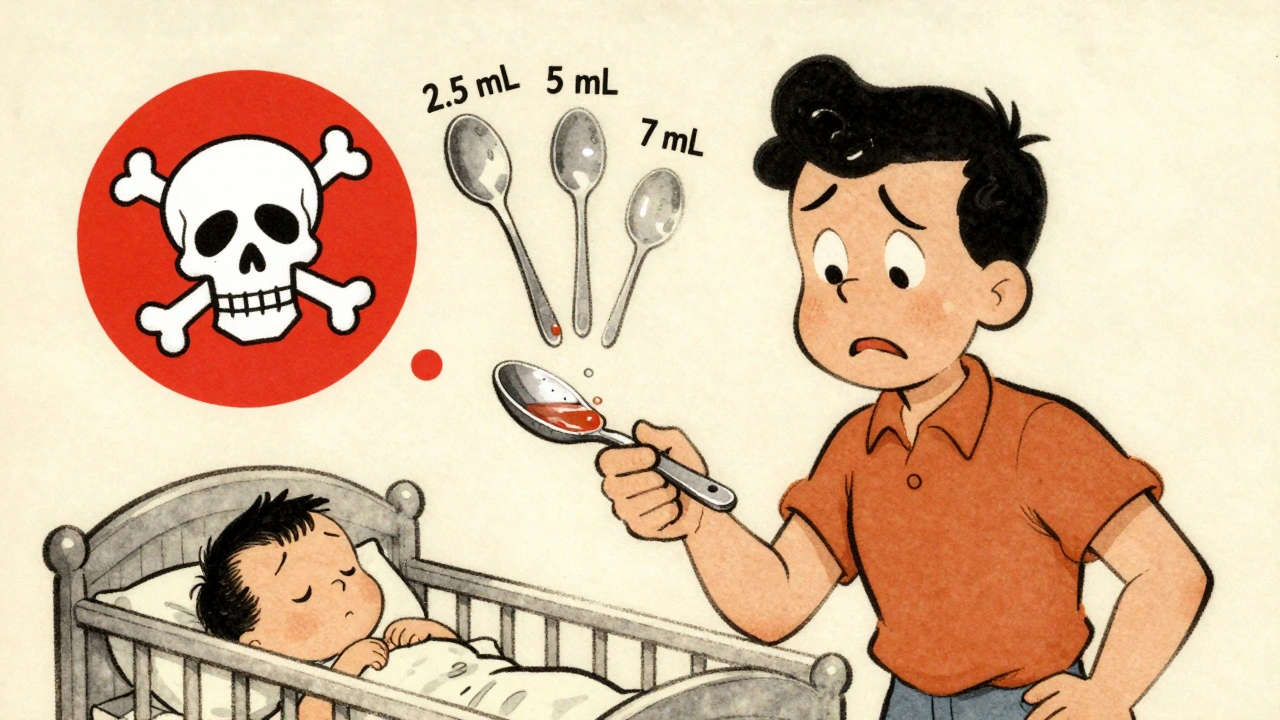
Learn how to safely dose antihistamines for children to avoid dangerous side effects. Discover why kitchen spoons, weight confusion, and outdated meds like Benadryl put kids at risk-and what to do instead.
full article