When you pick up a prescription, you might see two options: the familiar brand name drug, a medication originally developed and marketed by a pharmaceutical company under a patent. Also known as originator drug, it often comes with a higher price tag and a well-known logo. Or you might get the generic medication, a chemically identical version made after the brand’s patent expires. It’s usually cheaper, looks different, and doesn’t carry the original company’s name. The big question isn’t whether they work the same—it’s whether you’re getting the same results, safety, and value.
The FDA requires generic drugs to have the same active ingredient, strength, dosage form, and route of administration as the brand. That means brand vs generic isn’t about whether one works better—it’s about cost, consistency, and sometimes, how your body reacts to inactive ingredients. Fillers, dyes, and coatings can vary between brands and generics, and while rare, some people report differences in side effects or how quickly a pill kicks in. This isn’t because the active drug is different—it’s because your body might respond to those extra ingredients. For most people, generics work just as well. But if you’ve ever switched and noticed a change—like more nausea, less energy, or a weird taste—it’s not just in your head. Track it. Talk to your pharmacist. Sometimes, sticking with the brand is worth the extra cost.
It’s not just about pills. This same logic applies to antiviral medications, like acyclovir or valacyclovir, where generic versions are widely used and trusted, or cholesterol drugs, like atorvastatin (generic Lipitor), which millions rely on daily. Even diabetes pills, including metformin and repaglinide, are often prescribed as generics to keep long-term costs down. The truth? Most doctors prescribe generics first—not because they’re second-rate, but because they’re proven, safe, and save money without sacrificing results. But if you’ve had a bad experience, or your condition is tightrope-balanced (like epilepsy, heart rhythm issues, or thyroid disorders), your provider might stick with the brand. It’s not about fear—it’s about control.
When you see ads for brand-name drugs, remember: they’re paying for marketing, not better science. The generic version was made using the same research, the same clinical trials, the same chemistry. The only difference? The price tag. And if you’re buying online—like cheap generic Zovirax or Lipitor—you need to know how to spot a safe pharmacy. Counterfeit meds don’t care about your health. That’s why knowing the difference between brand and generic isn’t just about saving cash—it’s about protecting yourself.
Below, you’ll find real patient stories, doctor insights, and comparisons on everything from antivirals to antidepressants. No fluff. No hype. Just what actually happens when you switch—or stick—with your meds.
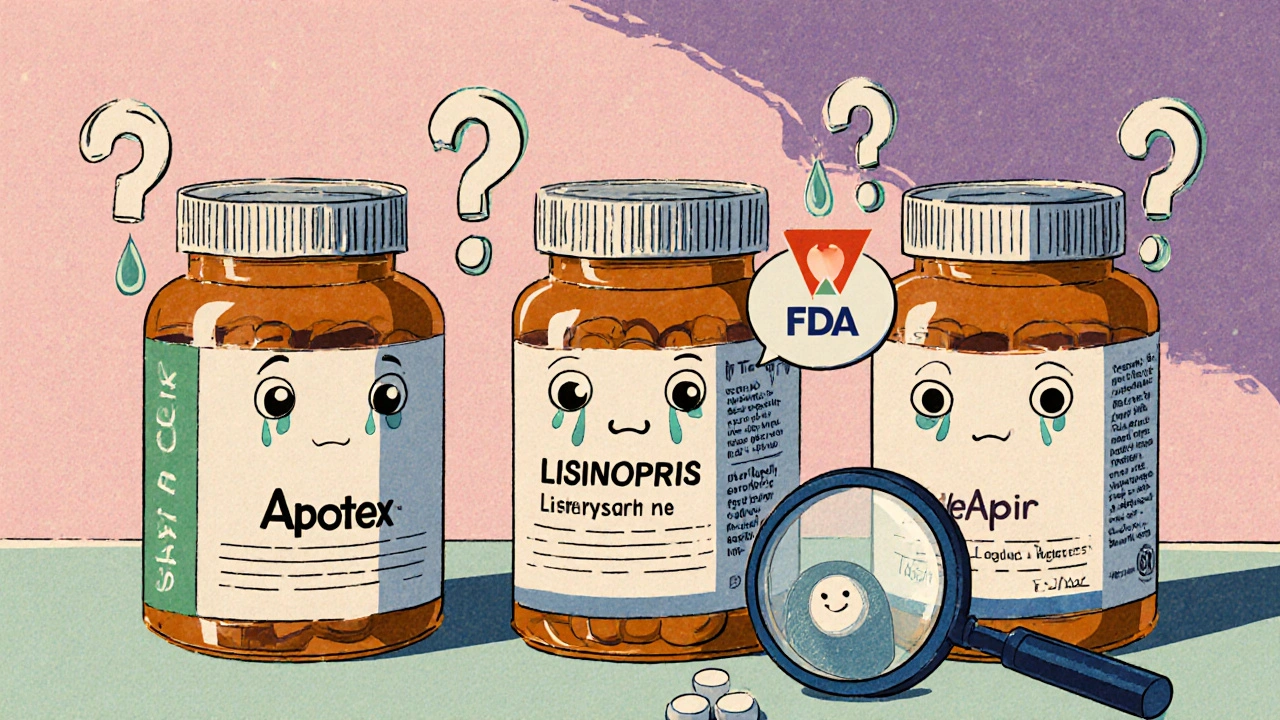
Learn how to choose between generic medications safely. Understand bioequivalence, therapeutic ratings, and when to stick with one manufacturer to avoid health risks.
full article