When your body makes too much cabergoline, a dopamine agonist that lowers prolactin and helps control movement. Also known as a dopamine receptor activator, it’s not a hormone itself—but it tricks your brain into thinking dopamine is higher than it is. This is why it’s used for conditions like hyperprolactinemia, a condition where the pituitary gland makes too much prolactin, and sometimes for Parkinson’s disease, a movement disorder caused by low dopamine in the brain.
Cabergoline works by binding to dopamine receptors in the pituitary gland, telling it to stop making prolactin. High prolactin can cause missed periods, breast milk production in people who aren’t nursing, low sex drive, and even infertility. In Parkinson’s, it helps smooth out shaky movements by boosting dopamine activity. Unlike some other drugs in this class, cabergoline lasts a long time—often just two doses a week are enough. That’s why many people prefer it over daily pills. But it’s not without risks. Nausea, dizziness, and low blood pressure are common at first. Some people report heart valve issues with long-term, high-dose use, which is why doctors check heart function before and during treatment. It’s also not for everyone: if you have uncontrolled high blood pressure, liver disease, or a history of heart valve problems, your doctor will likely avoid it.
What’s interesting is how often cabergoline shows up in unexpected places. It’s sometimes used off-label for restless legs syndrome or even certain types of depression linked to low dopamine. But the most common reason people look it up is because they were told their prolactin levels are high. That’s when they start wondering: Is this safe? Will it fix my symptoms? How long until I feel better? The answers aren’t always simple. Some people feel better in days. Others take weeks. And if you’re on it for fertility, your doctor will track your prolactin levels closely—often with blood tests every few weeks at first.
You’ll also find that cabergoline shows up in posts about drug interactions. It doesn’t play well with antipsychotics (which block dopamine), certain blood pressure meds, or even some herbal supplements. That’s why the articles below focus on real-world risks: how it affects your heart, what to watch for when mixing it with other drugs, and why some people stop taking it because of side effects they didn’t expect. Whether you’re just starting out or have been on it for years, the information here isn’t just about the pill—it’s about understanding how your body responds to it, what to ask your doctor, and how to spot trouble before it becomes serious.
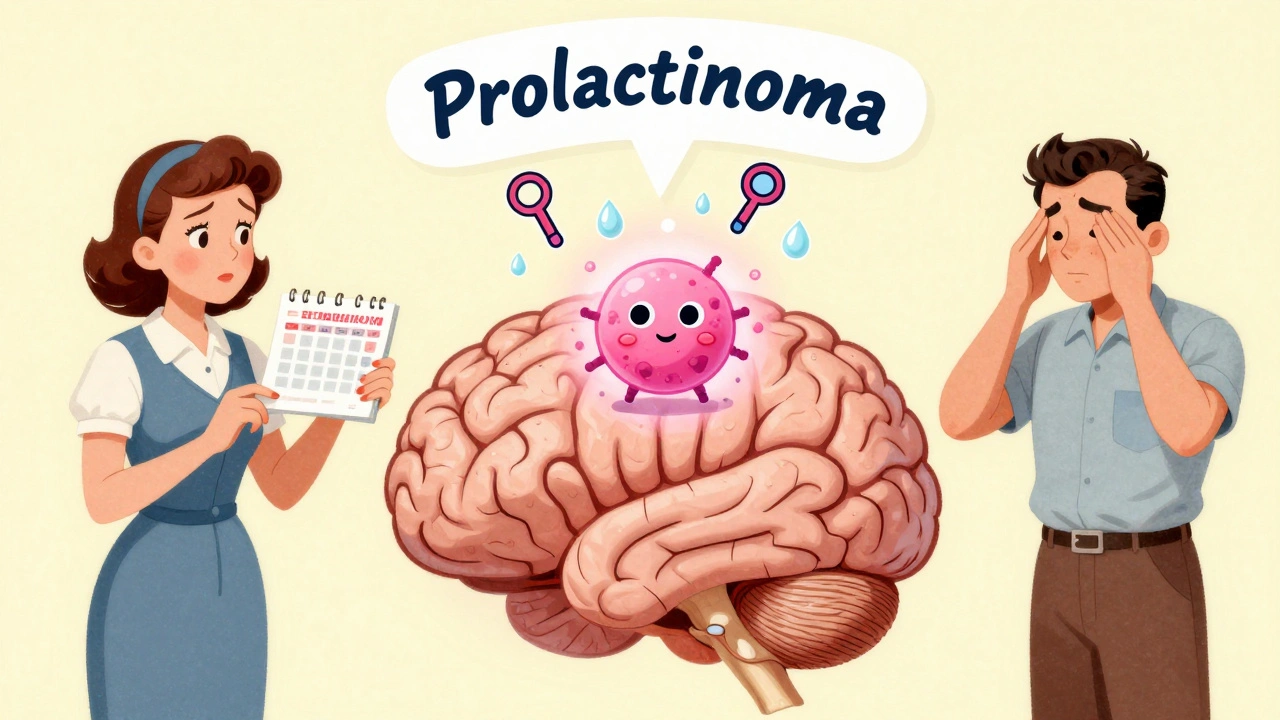
Prolactinomas are the most common type of pituitary tumor, causing hormone imbalances that affect fertility, libido, and energy. Learn how cabergoline, surgery, and radiation work-and what to expect long-term.
full article