When your doctor orders a CBC monitoring, a routine blood test that measures the types and numbers of cells in your blood. Also known as complete blood count, it’s one of the most common lab tests used to spot problems early—like anemia, infection, or blood disorders. You don’t need to fast or prepare for it. A quick needle stick gives enough blood to check your red cells, white cells, and platelets—all in one go.
CBC monitoring doesn’t just tell you if something’s wrong. It helps track how your body responds to treatment. For example, if you’re on chemotherapy, antibiotics, or drugs like warfarin or meglitinides, your doctor uses CBC results to see if your bone marrow is still making enough cells. Low red blood cells? That could mean anemia from chronic disease or medication side effects. High white blood cells? Might signal an infection or inflammation, maybe even from something like ankylosing spondylitis. Platelets too low? Could explain unusual bruising or bleeding risks, especially if you’re taking antivirals or herbal supplements like black cohosh that affect blood function.
It’s not just about numbers. CBC monitoring connects to real-life symptoms. Feeling tired all the time? Could be low hemoglobin. Frequent infections? Maybe your white cell count is dropping. Unexplained bruising? Platelets might be the culprit. These patterns show up in the posts here—from managing alfuzosin side effects to understanding how antibiotics spike INR in warfarin patients. CBC results help tie those dots together. Even when you’re using assistive devices for gout or adjusting your anxiety meds, your blood tells a story your doctor needs to read.
You’ll find posts here that dig into how medications like alpelisib, naltrexone, or dorzolamide affect your body—and how CBC monitoring helps keep those treatments safe. Some people don’t realize that even over-the-counter supplements can throw off your counts. Others think a normal CBC means everything’s fine, but subtle changes over time matter just as much as big red flags. This collection gives you the context to understand your results, ask better questions, and know when to push back if something doesn’t add up.
Whether you’re managing diabetes, depression, or chronic pain, CBC monitoring is your silent health partner. It doesn’t make headlines, but it catches problems before they do. Below, you’ll see real examples of how this test guides decisions—from choosing between generic meds to spotting dangerous drug interactions. No fluff. Just what you need to understand your blood—and what it’s telling you.
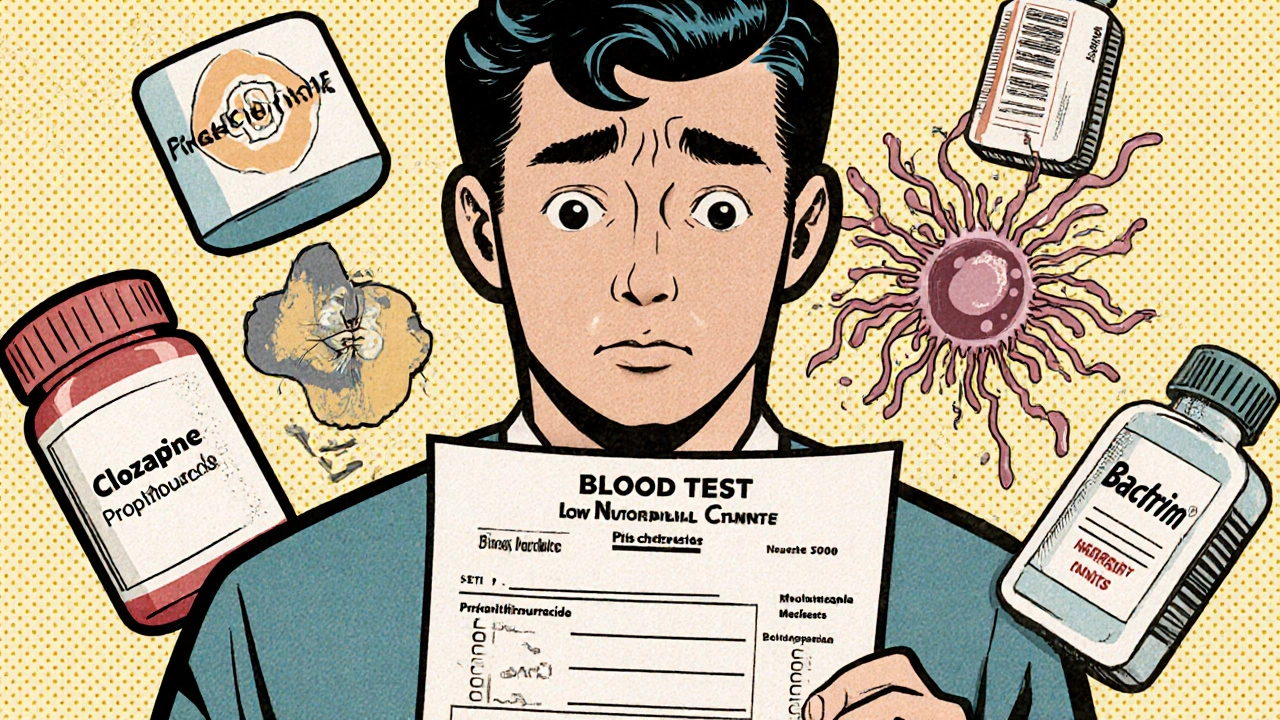
Medication-induced agranulocytosis is a rare but deadly drop in white blood cells that can lead to fatal infections. Learn which drugs cause it, how to monitor for it, and what to do if symptoms appear.
full article