When your child sneezes, itches, or can’t breathe through their nose, children's allergy medicine, medications designed to relieve allergic reactions in kids, including antihistamines and nasal sprays approved for pediatric use. Also known as pediatric antihistamines, these are not just smaller versions of adult pills—they’re carefully tested for safety in growing bodies. Not all allergy meds are created equal for kids. What works for you might be too strong, too weak, or even unsafe for your child. The goal isn’t just to stop the sneezing—it’s to do it without drowsiness, irritability, or side effects that make things worse.
Many parents reach for the same OTC brands they use themselves, but pediatric antihistamines, specifically formulated for children’s weight, metabolism, and sensitivity. Also known as children’s allergy relief, they come in liquid, chewable, or dissolvable forms that are easier to give and more accurate to dose. The most common active ingredients—like loratadine, cetirizine, and fexofenadine—are non-drowsy and approved for kids as young as two. But dosing matters. A teaspoon too much can cause agitation; too little won’t help. Always check the label by weight, not age. And never give decongestants like pseudoephedrine to kids under six—they can raise heart rate and cause serious side effects.
Some parents turn to natural remedies—honey, saline sprays, or herbal drops—but these aren’t always safe or effective. Honey can’t be given under one year due to botulism risk. Saline sprays help with nasal stuffiness but don’t touch the itching or hives. And while some supplements claim to boost immunity, there’s no solid proof they reduce allergies in kids. The real solution? Know what’s proven, what’s safe, and how to use it right. That’s where the posts below come in. You’ll find clear, no-fluff guides on which medicines actually work for kids, how to avoid dangerous mix-ups with other meds, what to do when symptoms don’t improve, and how to spot when it’s more than just allergies. No guesses. No marketing hype. Just what you need to keep your child breathing easy.
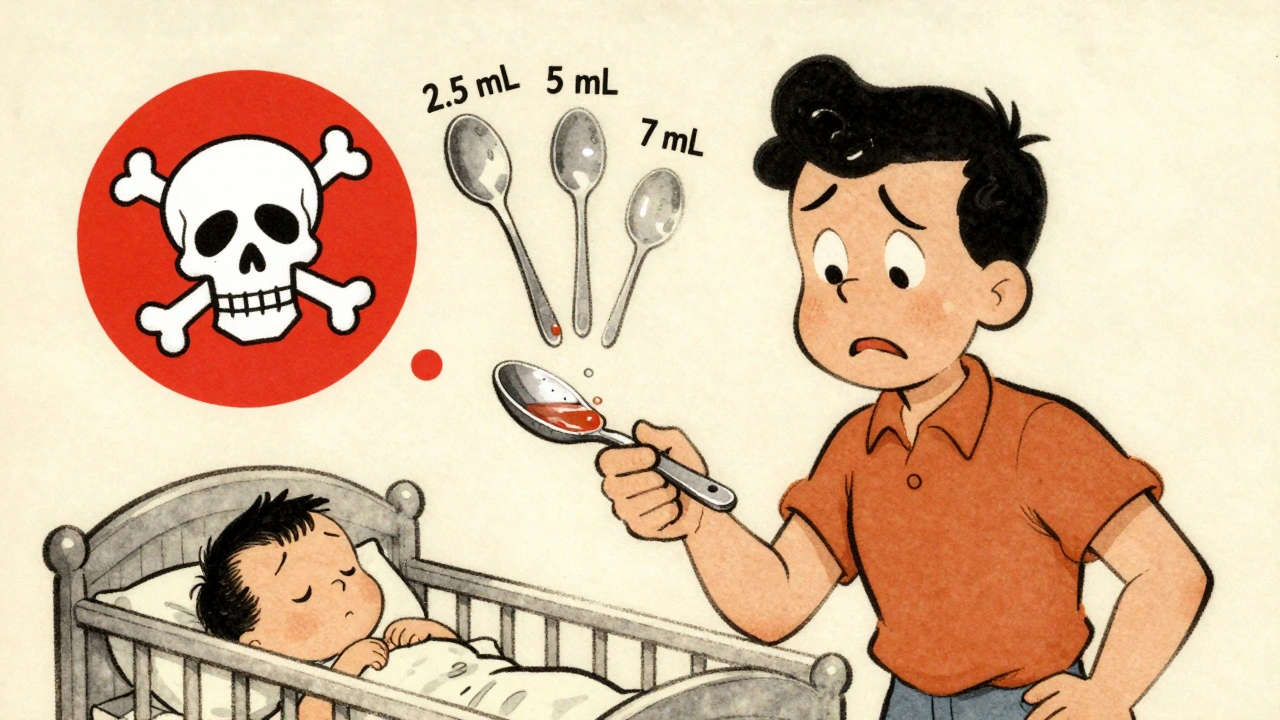
Learn how to safely dose antihistamines for children to avoid dangerous side effects. Discover why kitchen spoons, weight confusion, and outdated meds like Benadryl put kids at risk-and what to do instead.
full article