When you take too many pills, it’s not always helping—it might be hurting. Deprescribing, the planned process of reducing or stopping medications that are no longer needed or could cause harm. Also known as medication reduction, it’s not about quitting drugs blindly—it’s about making smarter choices with your doctor or pharmacist to protect your health. Many older adults, especially those with multiple chronic conditions, end up on ten or more drugs. Some were started years ago and never reviewed. Others interact badly together. And some? They just don’t work anymore. But stopping them feels scary. What if symptoms come back? What if you feel worse? That’s where deprescribing comes in—not as a shortcut, but as a careful, step-by-step plan.
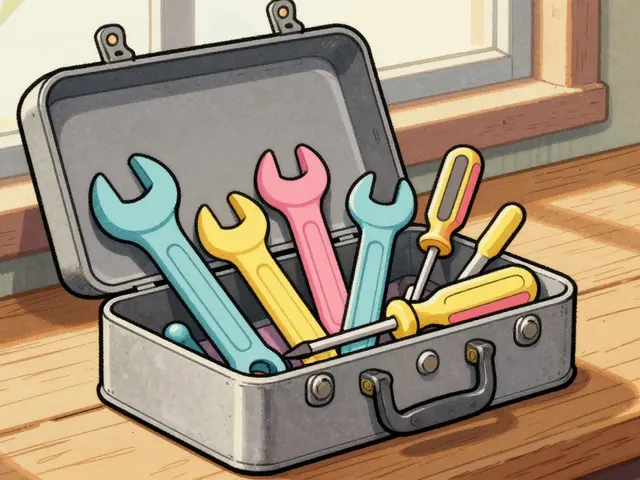
It’s not just about cutting pills. It’s about understanding polypharmacy, the use of multiple medications at the same time, often leading to increased risk of side effects and interactions. Think of it like stacking tools in a toolbox—you don’t need five hammers if one does the job. Some of those extra hammers? They’re rusting. Or they’re the wrong size. Or they’re making it harder to find the one you actually need. That’s what happens with drugs like benzodiazepines for sleep, anticholinergics for overactive bladder, or even long-term proton pump inhibitors for heartburn. These aren’t always dangerous on their own—but together, they can cause confusion, falls, kidney damage, or even delirium. And studies show that when people stop them carefully, they often feel better, not worse.
Deprescribing also ties into drug withdrawal, the process of safely stopping a medication to avoid rebound effects or physical dependence. You can’t just stop a blood pressure pill or an antidepressant cold turkey. But you also don’t need to stay on them forever just because you started them years ago. The key is timing, monitoring, and communication. Some people reduce their statin dose after their cholesterol stabilizes. Others stop sleeping pills after learning better sleep habits. And some cut back on painkillers after physical therapy starts working. It’s not about giving up treatment—it’s about getting back to what actually helps.
You’ll find real stories below about people who faced dangerous interactions, side effects, or just plain confusion with their meds. One person stopped colchicine after realizing it was mixing badly with their antibiotic. Another lowered their antihistamine dose after their doctor pointed out it was making their memory worse. A third cut out a daily stool softener after learning fiber and water worked just as well. These aren’t outliers—they’re examples of what’s possible when you ask the right questions. The posts here don’t just list risks. They show you how to act on them. Whether you’re managing your own meds, helping a parent, or just tired of the pill bottle clutter, you’ll find clear, practical steps to start the conversation—and make real changes.
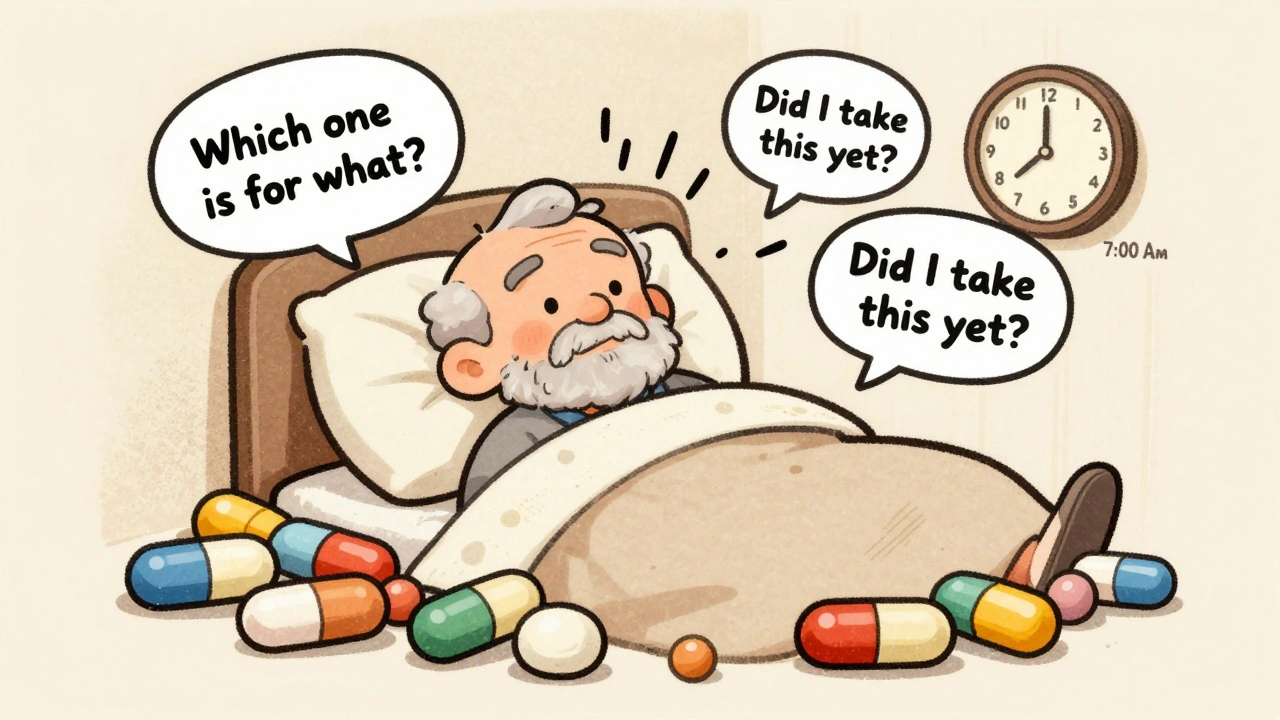
Taking five or more medications increases your risk of side effects, falls, hospital stays, and even death. Learn how polypharmacy works, why it's dangerous, and what you can do to stay safe.
full article