When we talk about drug resistance viruses, viruses that no longer respond to antiviral drugs because of genetic changes. Also known as antiviral-resistant strains, these viruses are why some infections keep coming back even after treatment. It’s not just about taking the wrong pill—it’s about how viruses adapt faster than we can update our medicines.
These viral mutations, random changes in a virus’s genetic code that can block drug effectiveness happen naturally during replication. Every time a virus copies itself, tiny errors creep in. Most don’t matter. But if one lets the virus survive a drug, that version thrives. Over time, it becomes the dominant strain. This isn’t science fiction—it’s why flu shots change every year, and why HIV meds now come in combo packs. The same process shows up in antibiotic resistance, when bacteria evolve to survive antibiotics, often due to overuse or incomplete treatment, but viruses do it quicker and without needing to be exposed to drugs every day.
What makes this worse? People stopping meds early when they feel better. Or taking leftover pills from an old prescription. Or using antivirals in agriculture, which creates silent breeding grounds for resistant strains. Even mixing drugs without knowing interactions—like some of the drug interactions, harmful combinations between medications that reduce effectiveness or increase side effects we see in anxiety meds or blood thinners—can accidentally push viruses toward resistance. You don’t need to be a doctor to understand this: if a drug doesn’t kill every last virus, the survivors teach their kids how to beat it.
So what’s left to fight back? Not more drugs alone. It’s smarter use. Testing to confirm the virus type. Finishing full courses. Avoiding unnecessary antivirals. And staying updated on which treatments still work. The posts below cover real cases—from how HIV meds evolved to handle resistance, to why some herpes treatments fail, to how cancer drugs like alpelisib are designed to outmaneuver mutations. You’ll also find practical advice on avoiding mistakes that fuel resistance, whether you’re managing a chronic condition or just trying to stay healthy. This isn’t about fear. It’s about knowing what works, what doesn’t, and why your next pill might not be the same as the last one.
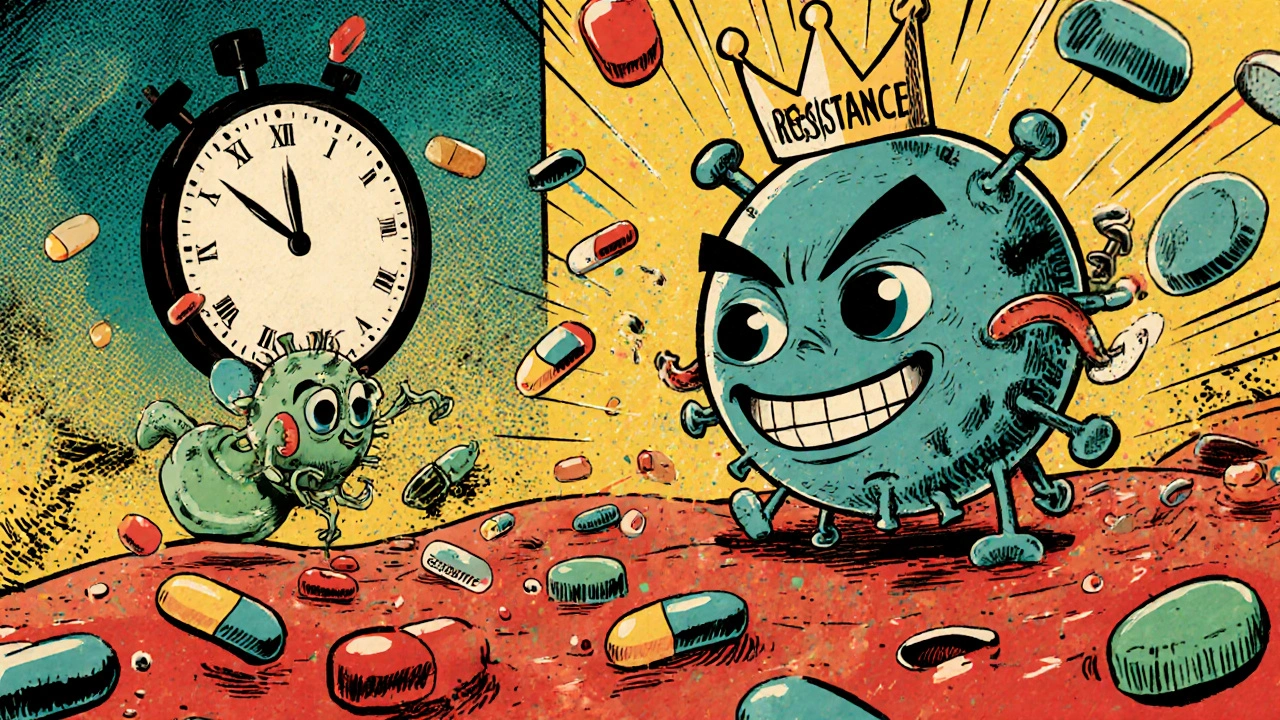
Antivirals can save lives, but resistance and side effects are real risks. Learn how resistance develops, what side effects to expect, and practical tips to stay on track with your treatment for better long-term outcomes.
full article