When your pharmacist hands you a different-looking pill than what your doctor prescribed, it’s usually a generic drug switch, a legal and common practice where a brand-name medication is replaced with a chemically identical version. Also known as drug substitution, it’s not a downgrade—it’s a cost-saving step backed by the FDA and used millions of times daily across the U.S. and UK. But not all switches are smooth. Some people notice changes in how the medicine works, feels, or even makes them feel. That’s not always a problem—but it’s not always nothing either.
Behind every generic medication, a version of a brand-name drug that contains the same active ingredient, strength, and dosage form. Also known as generic drugs, it is designed to perform the same way as the original is a strict approval process. The FDA requires generics to match brand-name drugs in bioavailability—meaning your body absorbs them at the same rate and to the same extent. But here’s the catch: inactive ingredients like fillers, dyes, or coatings can differ. For most people, that’s harmless. For someone with a rare allergy, a change in dye might cause a rash. For someone with severe epilepsy or heart conditions, even tiny variations in absorption can matter. That’s why some doctors write "Do Not Substitute" on prescriptions. It’s not about distrust—it’s about control.
When you get a brand-name drugs, originally developed medications protected by patents and sold under proprietary names like Lipitor or Zoloft. Also known as name-brand medications, they are often more expensive than their generic equivalents switched to generic, your body might react differently—not because the drug is weaker, but because your system is sensitive to how it’s delivered. Think of it like switching from a car with leather seats to one with cloth. Same engine, same speed, but the ride feels different. Some people don’t notice. Others feel it right away. That’s why tracking how you feel after a switch matters. Did your anxiety spike? Did your blood pressure drop? Did your stomach start acting up? Write it down. Bring it to your doctor. Don’t assume it’s "all in your head." There’s real science behind why some patients struggle with switches, especially with drugs like warfarin, thyroid meds, or antidepressants.
It’s not just about safety—it’s about cost. Generic drugs save patients and the system billions every year. But savings shouldn’t come at the price of stability. If your condition is tight-rope balanced, like diabetes, epilepsy, or depression, a switch might throw you off. That’s why knowing your rights matters. You can ask for the brand if the generic doesn’t work. You can ask your pharmacy to stick with the same generic maker each time. You can even request a copy of the pill’s manufacturer info. You’re not being difficult—you’re being informed.
Below, you’ll find real-world stories and medical insights from people who’ve been through a generic drug switch—some smoothly, some with complications. You’ll learn how antibiotics can interfere with birth control after a switch, why some people get weird side effects from generic versions of antidepressants, and how to spot a counterfeit pill disguised as a generic. Whether you’re switching for the first time or you’ve been burned before, this collection gives you the tools to take control—without paying more.
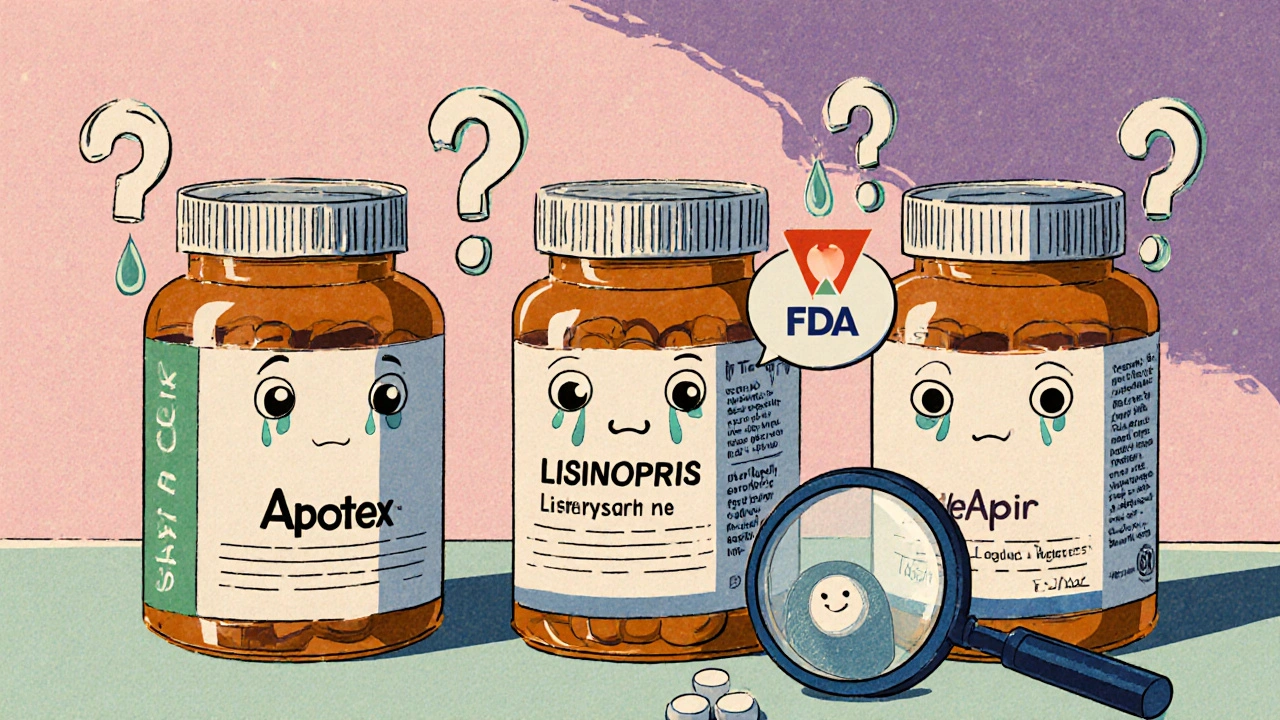
Learn how to choose between generic medications safely. Understand bioequivalence, therapeutic ratings, and when to stick with one manufacturer to avoid health risks.
full article