When your body’s hormone imbalance, a condition where hormone levels are too high or too low, disrupting normal bodily functions. Also known as hormonal disorder, it can show up as unexplained weight gain, constant fatigue, mood swings, or trouble sleeping. It’s not just about being "stressed" or "out of balance"—it’s a real, measurable shift in how your body communicates with itself. Hormones like cortisol, thyroid hormone, estrogen, progesterone, and insulin act like messengers, and when their signals get mixed up, your whole system feels it.
Many of the medications you take every day can quietly throw off this balance. For example, steroids, like dexamethasone, used for inflammation or allergies, can spike cortisol levels and suppress natural hormone production. That’s why persistent hiccups or sudden weight gain might not be random—they could be side effects of something you’re taking. Thyroid dysfunction, often mistaken for just being tired or anxious, can be worsened by medications like lithium or amiodarone. Even common pain relievers and antibiotics can interfere with how your liver processes hormones, leading to unexpected changes in mood or menstrual cycles.
It’s not just about what you take—it’s also about what you don’t. Chronic stress keeps cortisol elevated, which can shut down thyroid and sex hormone production. Poor sleep, extreme dieting, and even too much caffeine can mess with your body’s natural rhythm. And here’s the catch: many people don’t realize their symptoms are hormone-related. They blame themselves for being lazy, emotional, or out of shape, when the real culprit might be a hidden drug interaction or a slow-developing imbalance.
What you’ll find in the posts below isn’t just a list of symptoms or supplements to try. It’s a practical look at how real medications—like antipsychotics, blood thinners, antibiotics, and even over-the-counter remedies—interact with your hormones. You’ll see how polypharmacy increases your risk, why timing matters with supplements like magnesium, and how something as simple as a missed dose or a new prescription can trigger a cascade of hormonal changes. These aren’t theoretical concerns—they’re everyday issues people face while managing chronic conditions, mental health, or just trying to feel normal again.
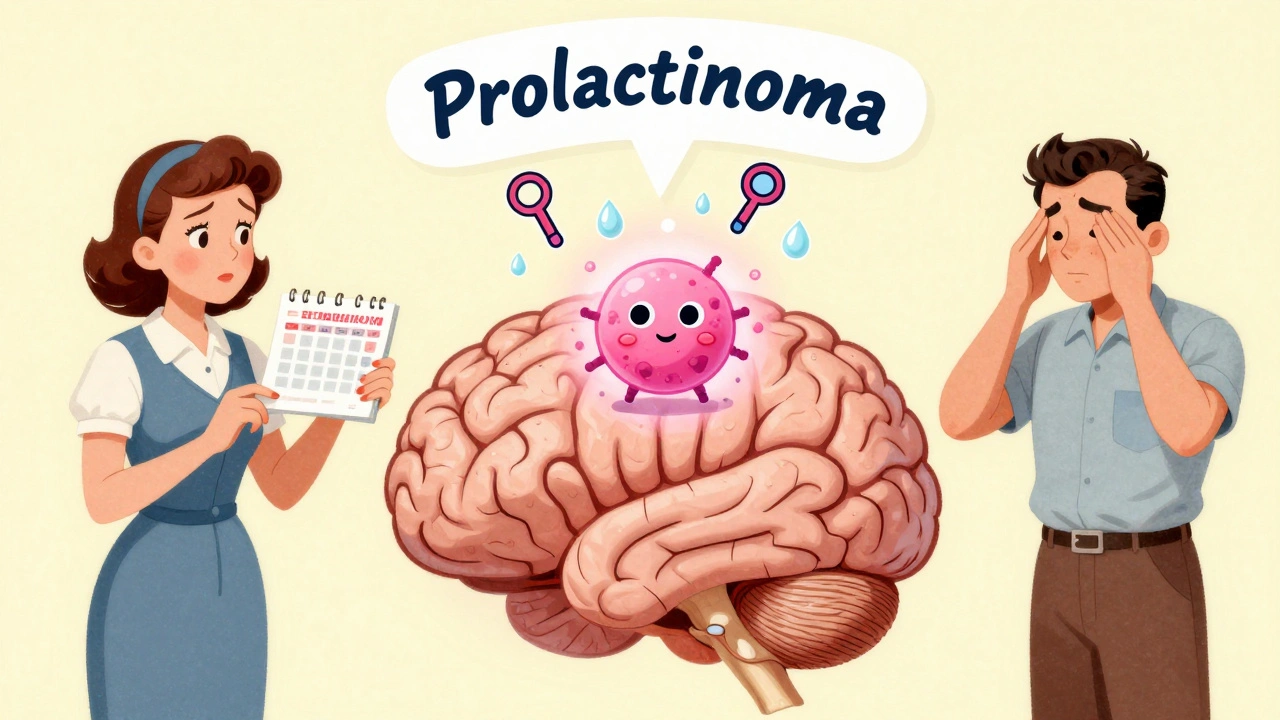
Prolactinomas are the most common type of pituitary tumor, causing hormone imbalances that affect fertility, libido, and energy. Learn how cabergoline, surgery, and radiation work-and what to expect long-term.
full article