When we talk about HPV cancer, cancers caused by persistent infection with certain strains of the human papillomavirus. Also known as human papillomavirus-related cancer, it doesn't just mean cervical cancer—it includes throat, anal, penile, vaginal, and vulvar cancers too. This isn’t some distant threat. Nearly 80% of sexually active people will get HPV at some point, and while most infections clear on their own, a small number stick around and slowly turn normal cells into cancer.
The real danger isn’t the virus itself—it’s what happens when your immune system can’t fight it off. High-risk HPV types, especially 16 and 18, mess with cell DNA, causing cells to grow out of control. This process takes years, sometimes decades, which is why screening is so powerful. A simple Pap test or HPV test can catch abnormal cells before they turn cancerous. And here’s the key: HPV vaccine, a safe, effective shot that prevents infection from the most dangerous HPV strains. Also known as Gardasil or Cervarix, it works best when given before any sexual activity begins, but even adults up to age 45 can benefit. The vaccine doesn’t treat existing infections, but it stops new ones—and that’s why it’s one of the most important cancer prevention tools we have.
Screening and vaccination go hand in hand. If you’ve had an abnormal Pap result, you’ve likely heard about colposcopy or biopsies—those aren’t scary procedures, they’re early warning systems. And if you’re over 30, combining HPV testing with your Pap smear gives you the clearest picture of your risk. Men don’t get routine HPV screening, but they’re still at risk for throat and anal cancers, especially if they’re immunocompromised or have multiple partners. That’s why the vaccine matters for everyone.
What you won’t find in most headlines is how often HPV cancer is misdiagnosed or delayed. Symptoms like a sore throat that won’t go away, unusual bleeding, or pain during sex are often brushed off as something minor. But if you’ve had HPV or haven’t been vaccinated, these aren’t signs to ignore. Early detection saves lives—and it’s why the posts below cover everything from how the virus spreads to what happens after diagnosis, how treatments like radiation and surgery work, and why some people still get cancer even after vaccination.
Below, you’ll find real, practical insights from people who’ve been through it, doctors explaining what really works, and clear breakdowns of the science behind prevention. No fluff. Just what you need to protect yourself and the people you care about.
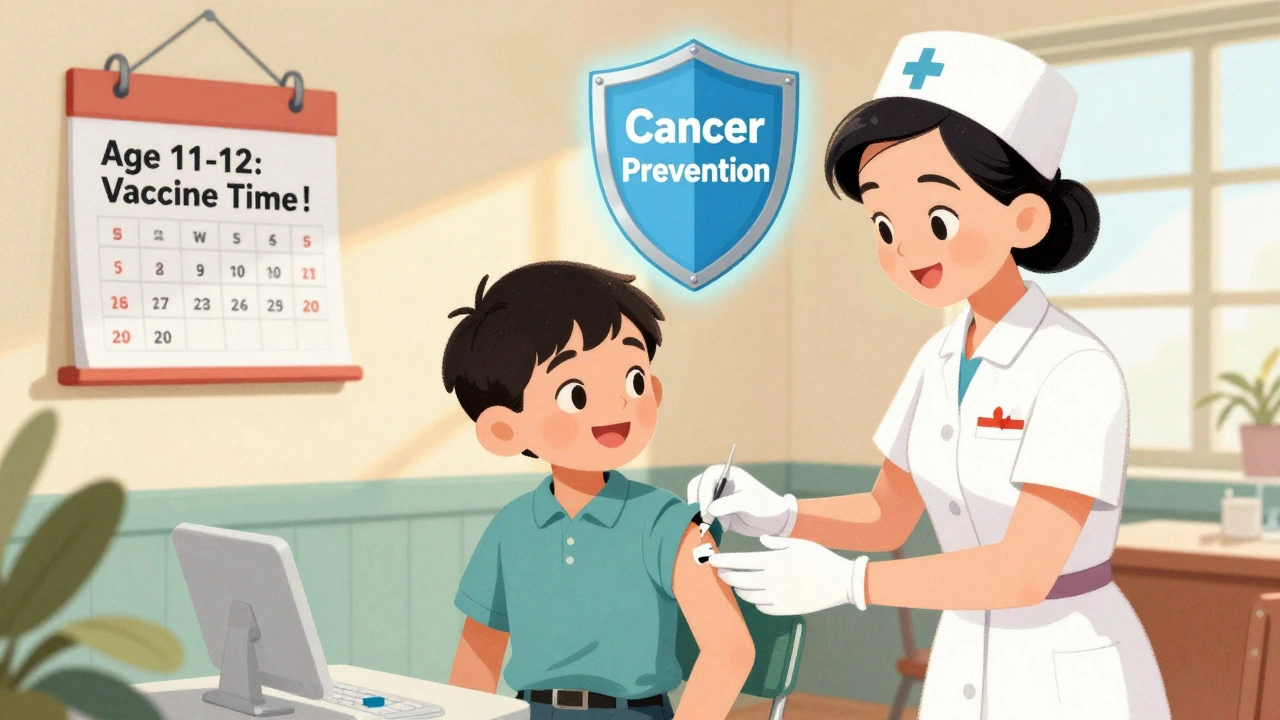
HPV causes throat, anal, and cervical cancers-but vaccination can prevent most of them. Learn how rising throat cancer rates in men highlight the urgent need for better vaccine uptake and why screening alone isn't enough.
full article