When it comes to HPV prevention, the practice of reducing the risk of infection with human papillomavirus, a group of more than 150 related viruses. Also known as human papillomavirus, it’s the most common sexually transmitted infection in the world—and the main cause of cervical cancer. Most people get it at some point, often without knowing. But here’s the good news: you can greatly lower your risk with simple, proven steps.
The HPV vaccine, a safe and effective way to prevent infection from the most dangerous strains of the virus. Also known as Gardasil or Cervarix, it’s not just for teens—adults up to age 45 can still benefit. It works best when given before exposure, but even if you’ve had sex, the vaccine can protect against strains you haven’t yet encountered. The CDC recommends it for everyone, regardless of gender. And it’s not just about preventing cancer—it also stops genital warts and other HPV-related conditions.
Cervical cancer screening, a routine test that catches abnormal cell changes before they turn into cancer. Also known as Pap smear or HPV test, it’s a critical tool for people with cervixes, even if they’ve been vaccinated. Screening doesn’t prevent infection, but it catches problems early when they’re easiest to treat. Many people skip it because they feel fine—but HPV doesn’t cause symptoms until it’s advanced. That’s why regular checkups matter.
Condoms help, but they don’t fully block HPV because the virus lives on skin that isn’t covered. Still, they reduce transmission and protect against other STIs. Limiting partners and talking openly about sexual history also lowers risk. And don’t assume you’re safe if you’ve had HPV before—there are dozens of strains, and immunity to one doesn’t protect you from others.
What you’ll find below are real, practical guides on how HPV affects people differently, how vaccines work in adults, what to expect during screening, and how to avoid common mistakes that leave you unprotected. These aren’t theory pieces—they’re based on what doctors see every day, what patients get wrong, and what actually makes a difference in real life. Whether you’re 18 or 45, whether you’re vaccinated or not, this collection gives you the clear, no-fluff facts you need to stay safe.
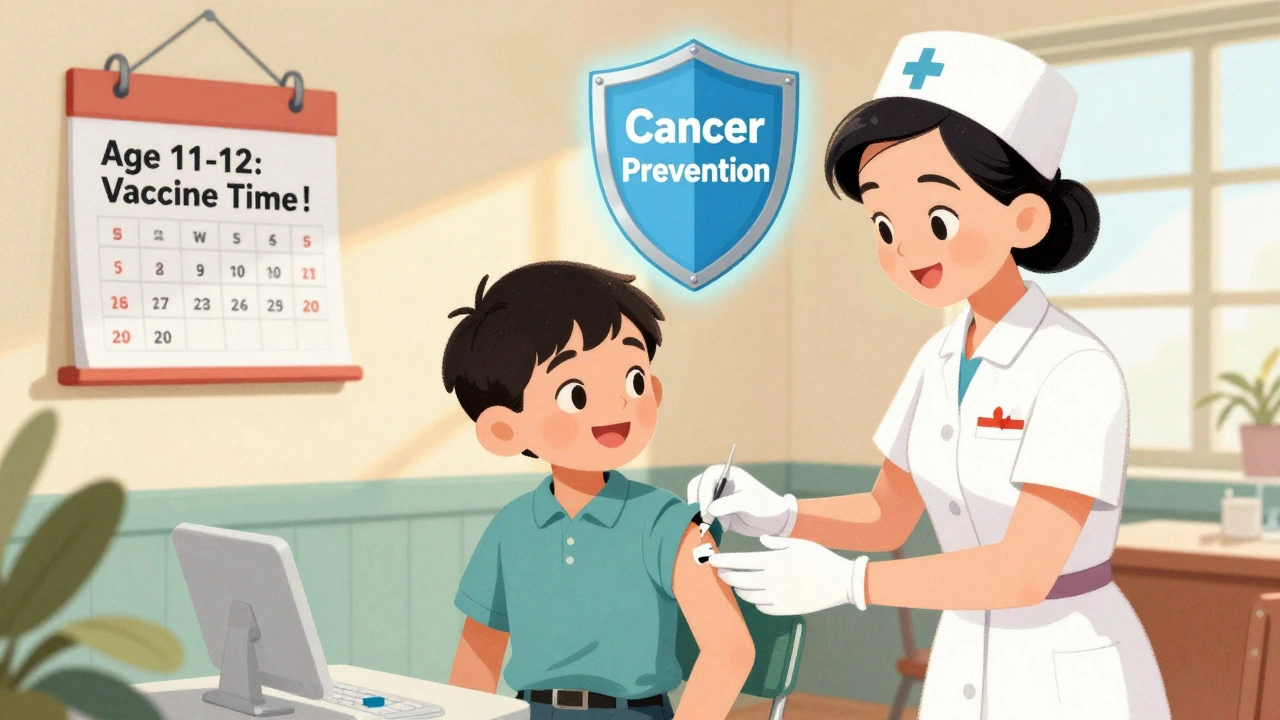
HPV causes throat, anal, and cervical cancers-but vaccination can prevent most of them. Learn how rising throat cancer rates in men highlight the urgent need for better vaccine uptake and why screening alone isn't enough.
full article