When you hear HPV vaccination, a preventive shot that protects against infection by the human papillomavirus, a group of more than 150 related viruses. Also known as HPV shot, it’s one of the few vaccines that can prevent cancer before it starts. This isn’t just about teenage girls—it’s for everyone, boys and girls, men and women, from ages 9 to 45. The virus doesn’t care about gender, and neither should your protection.
HPV causes more than just genital warts. It’s linked to cervical, anal, throat, penile, vaginal, and vulvar cancers. In fact, nearly all cervical cancers are caused by HPV. The vaccine doesn’t treat existing infections—it stops the most dangerous strains before they ever take hold. The most common versions, Gardasil 9, cover nine high-risk types, including the two that cause 70% of cervical cancers and the two that cause 90% of genital warts. That’s not a small win—it’s a life-saving one.
Some people worry about side effects. The most common are soreness at the injection site, mild fever, or dizziness—nothing like the risks of the diseases it prevents. The CDC and WHO have tracked millions of doses over more than 15 years. No serious safety issues have been found. And while some think it encourages risky behavior, studies show it doesn’t. Kids who get the shot are no more likely to become sexually active early. It’s prevention, not permission.
Timing matters. The vaccine works best when given before any exposure to the virus. That’s why health experts recommend starting at age 11 or 12. But even if you’re older, it’s not too late. Adults up to age 45 can still benefit, especially if they haven’t been exposed to all the strains covered. If you’re unsure whether you’ve had the full series, talk to your doctor. A simple blood test won’t help—you can’t tell if you’ve had HPV before. But the vaccine can still protect you from the strains you haven’t met yet.
It’s not just about you. When more people get vaccinated, the virus has fewer chances to spread. That means fewer cases of cervical cancer, fewer surgeries, fewer lives lost. It’s herd immunity in action. Countries with high vaccination rates have already seen drops in precancerous lesions among young women. That’s the real impact.
There are myths out there—that it causes infertility, autoimmune disease, or long-term harm. None of those are true. The science is clear, the data is solid, and the benefits far outweigh any tiny risks. The real question isn’t whether to get the shot. It’s why you haven’t already.
Below, you’ll find real-world stories and facts about how medications, vaccines, and health decisions connect. From how vaccines are made to how drug interactions can affect your care, these posts give you the practical truths you need to stay safe and informed.
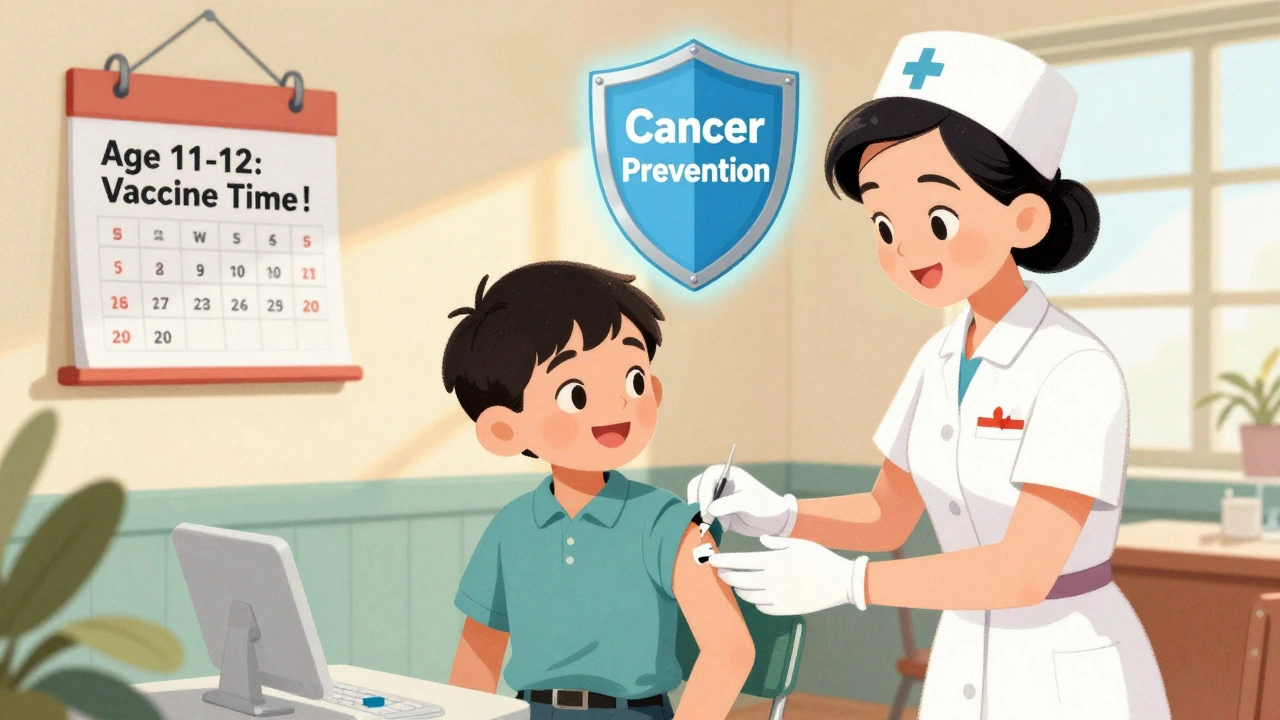
HPV causes throat, anal, and cervical cancers-but vaccination can prevent most of them. Learn how rising throat cancer rates in men highlight the urgent need for better vaccine uptake and why screening alone isn't enough.
full article