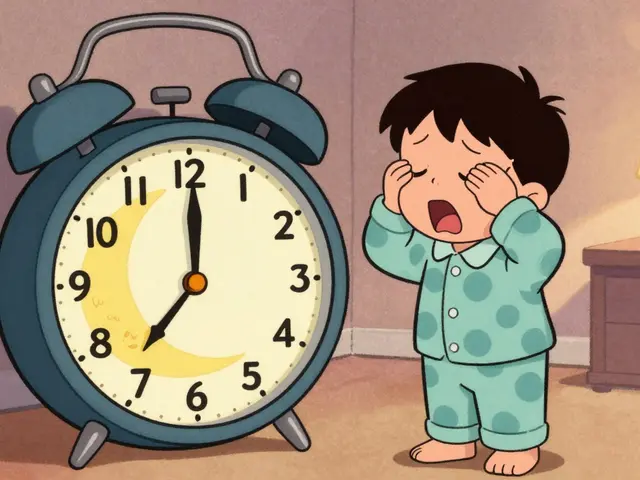
When you have inflammatory back pain, a chronic condition caused by immune system dysfunction that targets the spine and sacroiliac joints. Also known as axial spondyloarthritis, it doesn't go away with rest or stretching—it gets worse at night and improves with movement. Unlike muscle strain or a slipped disc, this pain starts before age 40, lingers for months, and often wakes you up in the early morning. It’s not just discomfort—it’s your body attacking its own joints.
This type of pain is closely linked to ankylosing spondylitis, a form of arthritis that can fuse spinal vertebrae over time if untreated. Many people mistake it for normal aging or poor posture, but if you’ve had back pain for more than three months, especially with stiffness that lasts over 30 minutes after waking, you need to get tested. Blood tests like HLA-B27 and imaging like MRI scans can confirm it. Left unchecked, it can lead to permanent spinal changes and reduced mobility.
Treatment isn’t about temporary fixes. NSAIDs, nonsteroidal anti-inflammatory drugs like naproxen or celecoxib, are the first-line defense because they directly target the inflammation. But if those don’t help after a few months, doctors turn to biologic drugs, targeted therapies that block specific immune signals driving the disease, like TNF-alpha inhibitors. These aren’t magic pills—they require regular injections and monitoring—but they can stop progression and restore function.
Exercise isn’t optional—it’s medicine. Swimming, yoga, and daily stretching routines keep the spine flexible and reduce stiffness better than any pill. Physical therapy helps tailor movements to your limits. And while diet won’t cure it, cutting processed foods and sugar can lower overall inflammation, making other treatments more effective.
What you’ll find in the posts below are real, practical guides on how these treatments work, what side effects to watch for, how to tell if your pain is truly inflammatory, and how to navigate medication choices without getting lost in jargon. No fluff. Just clear, actionable info based on what works for people living with this condition every day.
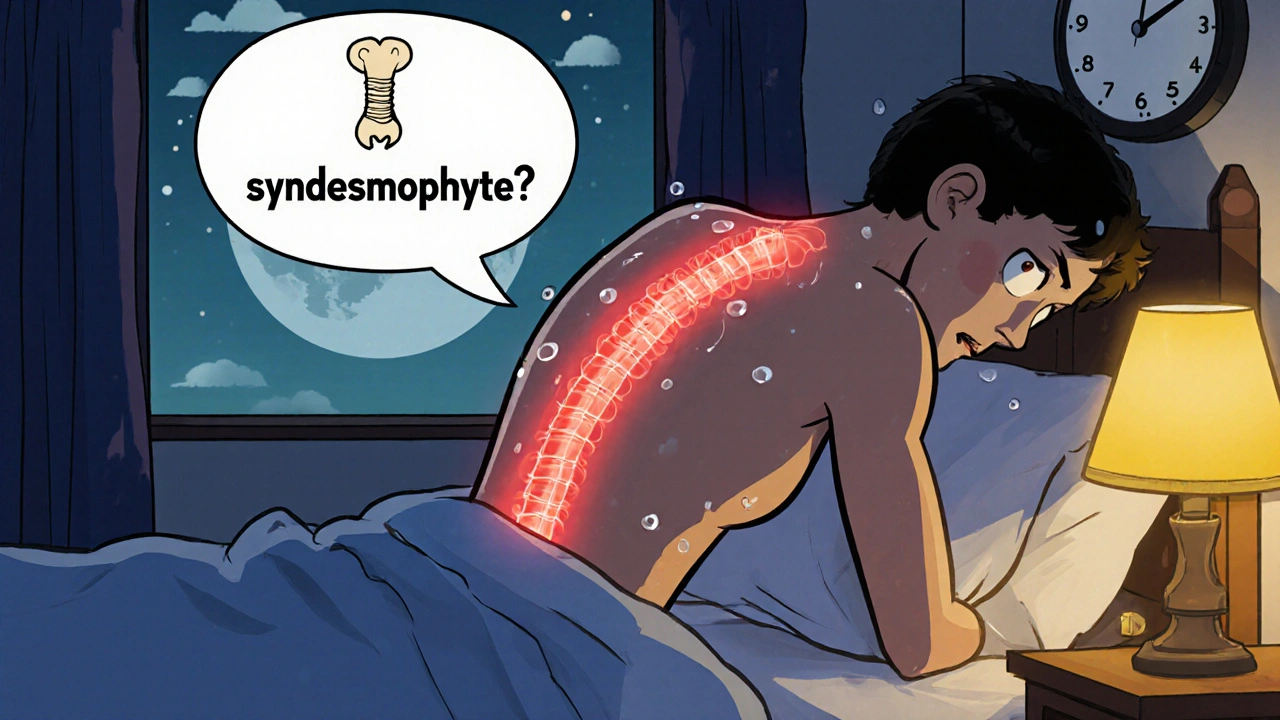
Ankylosing spondylitis causes chronic spine inflammation and stiffness, but early movement and treatment can prevent fusion. Learn proven mobility strategies, medication options, and daily habits to stay active and independent.
full article