When hiccups won’t stop, it’s not always just eating too fast. medication-induced hiccups, a side effect caused by certain drugs that irritate the nerves controlling the diaphragm. Also known as drug-related hiccups, this isn’t just a quirky annoyance—it can signal an interaction, overdose, or nerve irritation that needs attention. Unlike regular hiccups that fade in minutes, these last for hours, days, or even weeks, and they’re tied to specific medicines you’re taking.
Some of the most common culprits include phenytoin, an anti-seizure drug known to trigger neurological side effects, which can irritate the vagus and phrenic nerves that control breathing. colchicine, used for gout, can cause toxicity that affects nerve signaling, leading to persistent hiccups as one of its warning signs. Even common drugs like benzodiazepines, steroids, and certain antibiotics have been linked to this reaction. It’s not the active ingredient alone—it’s often how the drug affects your nervous system, stomach, or electrolyte balance. For example, if you’re on multiple meds, like warfarin and phenytoin together, the way they interact can shift your body’s chemistry in ways that trigger hiccups you didn’t expect.
What makes this tricky is that hiccups are rarely listed as a main side effect on drug labels. Doctors might overlook them, and patients assume it’s just a weird coincidence. But if you’ve started a new medication and can’t stop hiccuping after 48 hours, it’s worth checking. Keep a log: what drug did you start? When did the hiccups begin? Are you taking other meds that could be mixing with it? This isn’t just about comfort—it’s a signal your body is reacting in a way that could point to deeper issues like nerve inflammation, kidney stress, or even early signs of toxicity.
There’s no one-size-fits-all fix. Stopping the drug might help, but only if your doctor says it’s safe. Some cases respond to simple changes—like switching from one antibiotic to another, or adjusting timing with food. Others need targeted treatments, like baclofen or chlorpromazine, prescribed off-label. The key is connecting the dots between your meds and the symptom. You don’t need to panic, but you do need to speak up.
Below are real cases from patients who dealt with drug-triggered hiccups, along with guides on how to spot dangerous interactions, manage side effects, and talk to your pharmacist about what’s really going on. These aren’t just stories—they’re lessons in how to read the signs your body sends when a medication isn’t just working, but overwhelming you.
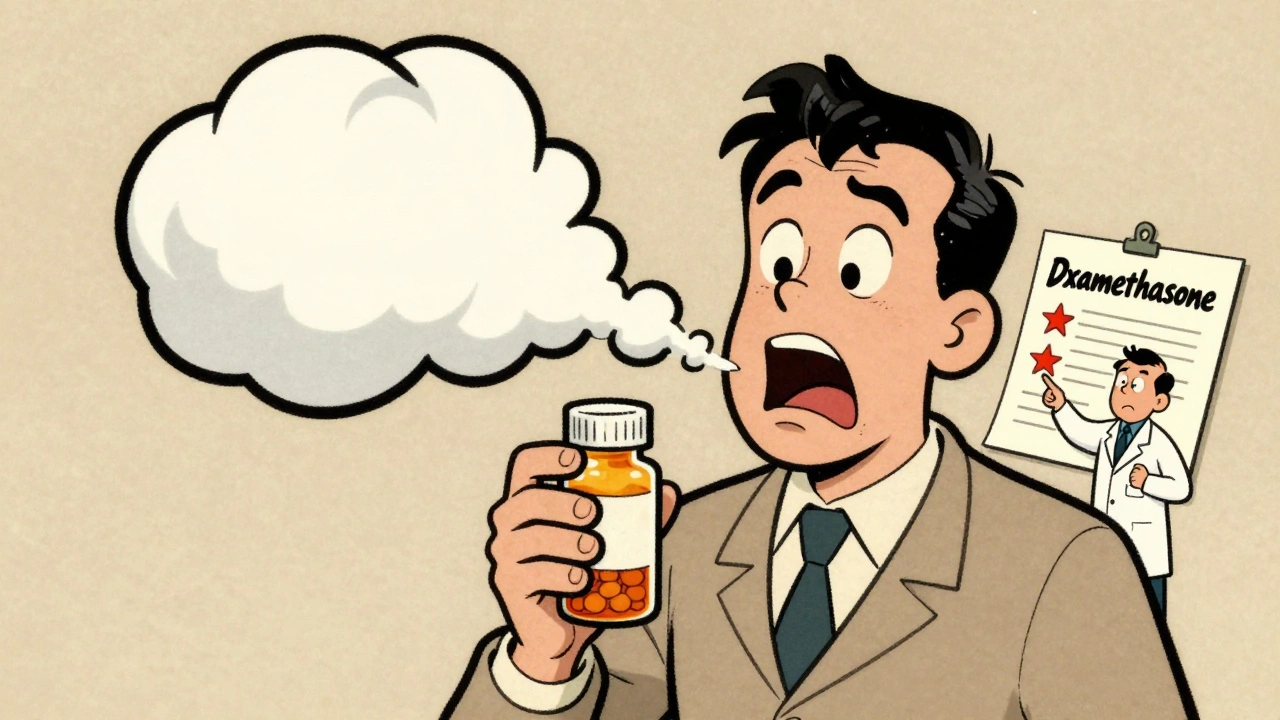
Many medications, especially steroids and opioids, can trigger persistent hiccups. Learn which drugs are most likely to cause them, what actually works to stop them, and how to talk to your doctor about this overlooked side effect.
full article