When you live with migraine, a neurological condition causing severe head pain, sensitivity to light and sound, and often nausea or vomiting. Also known as chronic headache disorder, it doesn't just hurt—it reshapes your life. You can't just push through it like a bad day. Migraine limitations aren't about laziness or stress—they're biological. Your brain is overstimulated, your nerves are on fire, and your body is telling you to stop. That’s not weakness. That’s survival.
What you do—or don’t do—during a migraine attack matters. Bright screens, loud noises, strong smells, and even certain foods can turn a mild headache into a full-blown episode. But it’s not just about avoiding triggers. The real challenge comes from the medications you take to manage it. Drugs like triptans, beta-blockers, or anti-seizure meds help, but they come with their own rules. Some can cause dizziness, making driving unsafe. Others, like topiramate, might make you forget things or feel foggy. And if you're taking five or more meds—a common situation called polypharmacy, the use of multiple medications, often leading to increased side effects and dangerous interactions—you’re playing Russian roulette with your nervous system. A simple interaction between a migraine drug and an antibiotic could make you sicker than the headache ever did.
And then there’s the invisible limit: time. Migraines don’t just steal hours—they steal weeks. Missed work, canceled plans, skipped family events. You start avoiding things before they even happen. You stop going to concerts, skip the grocery store on busy days, and turn down coffee because caffeine might trigger it—or might help. It’s exhausting. You’re not just managing pain. You’re managing a life that keeps slipping away.
What you’ll find in these posts isn’t theory. It’s real talk from people who’ve been there. You’ll learn how medication-induced hiccups, an unexpected side effect from drugs like steroids or opioids can sneak up on you. You’ll see how drug interactions, when two or more medications clash in your body can turn a simple treatment into a danger zone. You’ll read about why some people can’t take certain painkillers because of kidney issues or liver risks. And you’ll find out how even something as simple as timing your magnesium supplement can make or break your migraine control.
This isn’t a list of things to fear. It’s a map. A practical, no-fluff guide to what actually works, what to watch out for, and how to take back control—without guessing, without suffering in silence, and without letting your meds run your life.
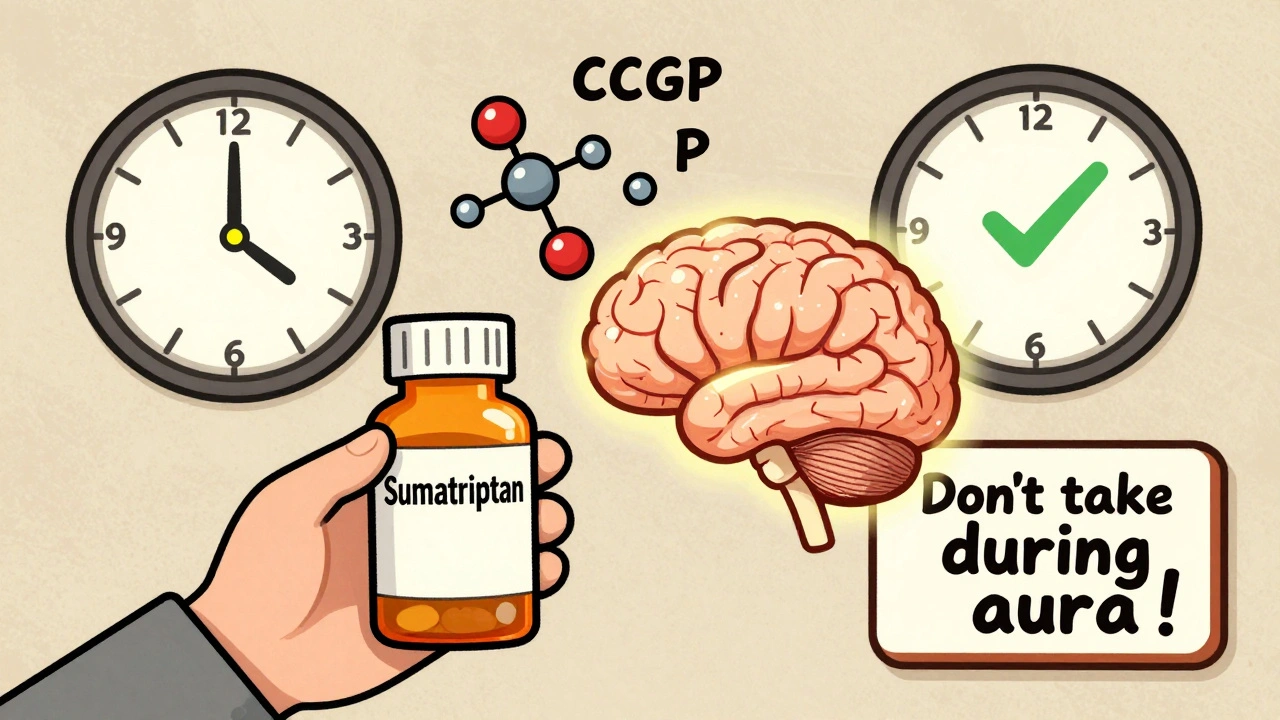
Triptans are a top choice for migraine relief, but they come with serious risks like heart strain, serotonin syndrome, and medication-overuse headaches. Learn who should avoid them, why they sometimes fail, and what to do next.
full article