When you're stuck in a migraine, a severe, often disabling headache that can last hours or days, usually with nausea, light sensitivity, and sometimes visual disturbances. Also known as chronic headache disorder, it's not just a bad headache—it's a neurological event that disrupts work, sleep, and daily life. Millions try everything from caffeine to prescription pills, but most don’t know which treatments are backed by real evidence—and which ones might make things worse.
Many people reach for over-the-counter painkillers like ibuprofen or acetaminophen, but those often fail if taken too late. Triptans, a class of drugs specifically designed to stop migraine attacks by narrowing blood vessels and blocking pain pathways in the brain. Also known as migraine-specific meds, they work best when taken early—before the pain peaks. But here’s the catch: if you’re on other meds like SSRIs or antibiotics, triptans can trigger something called serotonin syndrome. It’s rare, but dangerous. And if you’re taking NSAIDs regularly, you might be setting yourself up for rebound headaches—where the medicine itself becomes the cause of your pain.
Preventive therapy, daily treatments aimed at reducing how often and how badly migraines strike, not just treating them after they start. Also known as prophylactic treatment, it includes beta-blockers, antiseizure drugs, and even Botox injections—all options your doctor might suggest if you get migraines more than four days a month. But prevention isn’t just pills. Lifestyle factors like sleep, hydration, and stress matter more than most people realize. One study found that people who tracked their triggers (like red wine, skipped meals, or bright screens) cut their migraine days by nearly half—without changing meds.
And then there’s the hidden risk: drug interactions. A common migraine treatment like ergotamine can turn deadly if mixed with antibiotics like clarithromycin. Even something as simple as magnesium supplements can interfere with your osteoporosis meds if you don’t time them right. These aren’t theoretical risks—they show up in ERs every week. You don’t need to memorize every interaction, but you do need to know: migraine treatment isn’t one-size-fits-all. What works for your friend might make you sicker.
What you’ll find below isn’t a list of miracle cures. It’s a collection of real, practical insights from people who’ve been there—how certain drugs cause hiccups or tendon damage, why generics can trigger allergies, how polypharmacy turns a simple treatment plan into a minefield, and what actually helps when the pain won’t quit. No fluff. No hype. Just what you need to know to talk smarter with your doctor and avoid the traps most migraine sufferers fall into.
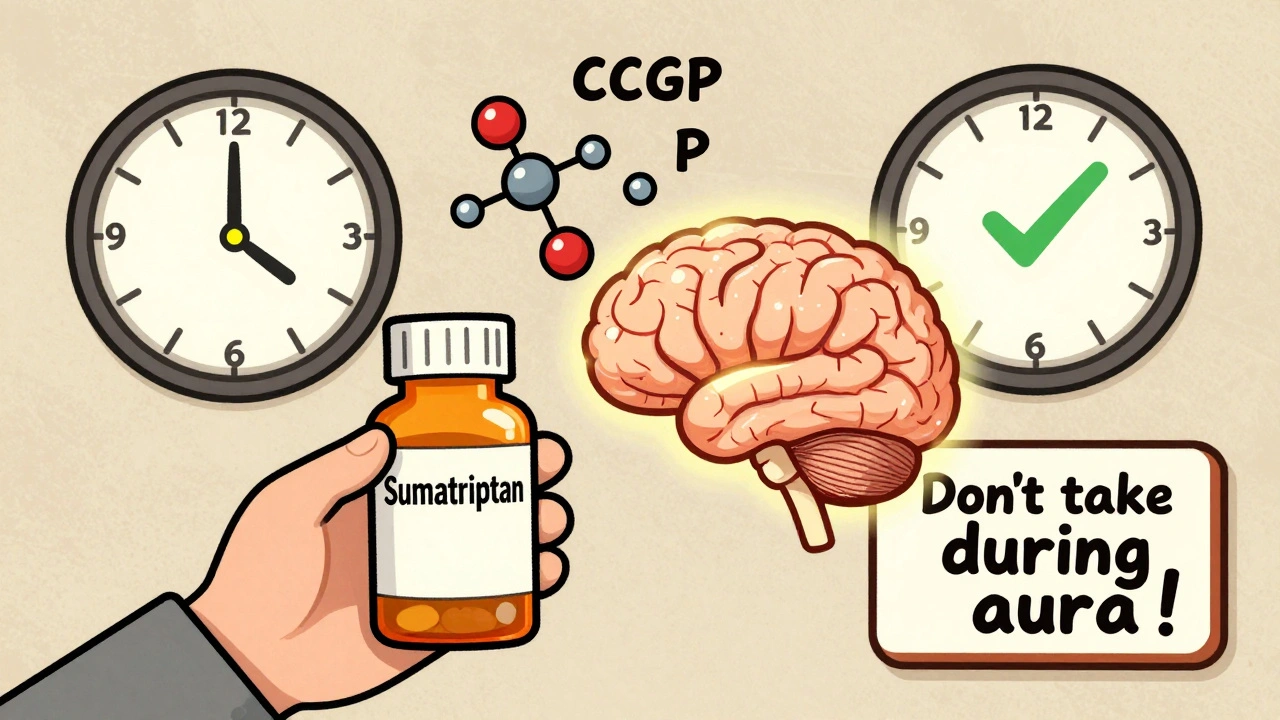
Triptans are a top choice for migraine relief, but they come with serious risks like heart strain, serotonin syndrome, and medication-overuse headaches. Learn who should avoid them, why they sometimes fail, and what to do next.
full article