When you struggle to move freely, everyday tasks become harder—not because you’re weak, but because your body needs the right mobility strategies, practical approaches to improve movement and reduce pain in daily life. Also known as movement support plans, these strategies combine tools, habits, and medical guidance to help you stay active despite joint pain, nerve issues, or chronic conditions. This isn’t about getting back to how you were years ago. It’s about finding what works now—whether that’s a cane, a compression glove, or changing how you take your meds.
Assistive devices, tools designed to help people move, stand, or grip with less pain. Also known as mobility aids, they’re not a sign of giving up—they’re a smart upgrade. Canes reduce pressure on arthritic knees. Orthotics correct foot alignment so your hips and back don’t compensate. Compression gloves ease swelling from gout or rheumatoid arthritis. These aren’t luxury items. Studies show people who use them correctly walk farther, fall less, and need fewer painkillers. And they’re often covered by insurance if your doctor writes a note. Then there’s pain management, the ongoing process of reducing discomfort so movement becomes possible. Also known as chronic pain control, it’s not just pills. It’s timing your meds so they’re working when you need to walk, avoiding triggers like alcohol that worsen vertigo or gout, and knowing when a drug like allopurinol or meglitinides affects your energy and balance. Some people don’t realize their mobility issue isn’t just from the joint—it’s from the medication side effects or how their body reacts to stress. And that’s why mobility strategies work best as a team. A cane helps you walk. A better sleep routine helps your body heal. Taking your gout meds on time stops flare-ups before they start. Skipping your diabetes pill? That can make your feet numb. Taking benzos with alcohol? That can make you dizzy and fall. These aren’t separate problems. They’re all part of the same system.
What you’ll find below isn’t theory. It’s real advice from people who’ve been there. You’ll see how nebulizers and inhalers affect breathing during activity, how alcohol triggers vertigo, why refill dates matter for keeping your meds on schedule, and how switching generics can change your balance. Some posts show you how to pick the right cane. Others explain why your joints ache more after a bad night’s sleep. Every article is practical, no fluff—just what you need to move better, feel safer, and take back control.
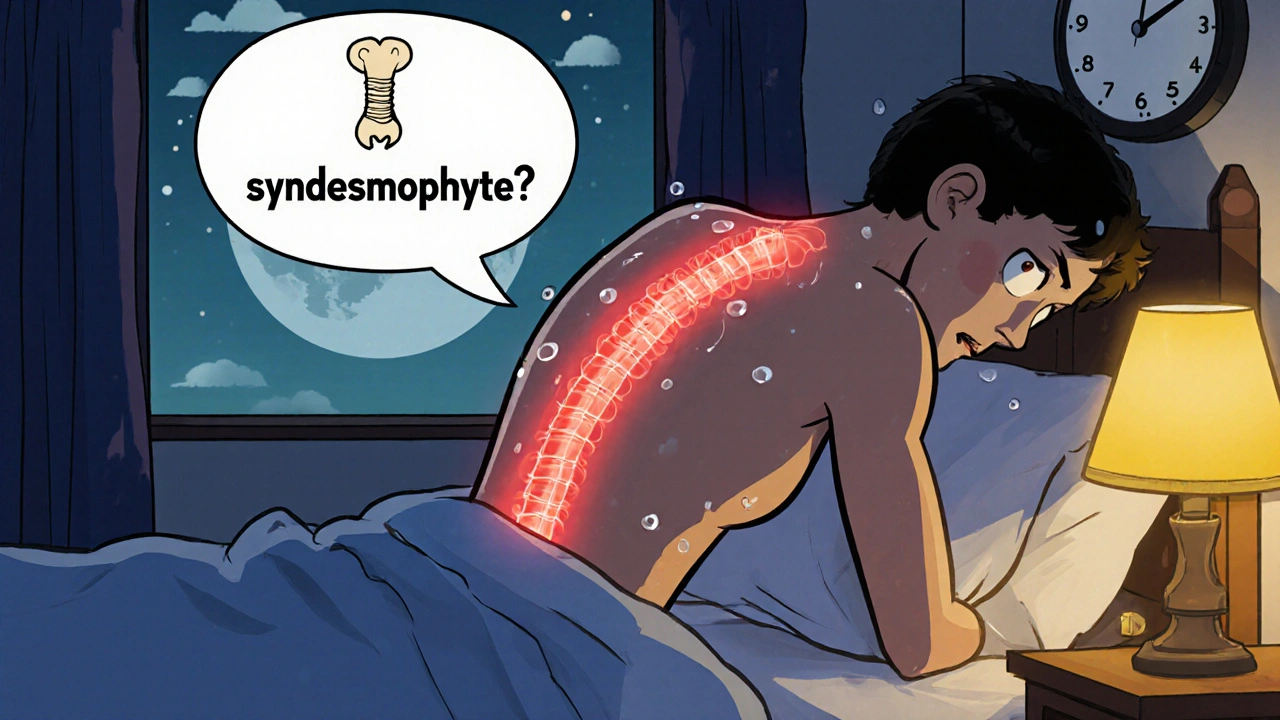
Ankylosing spondylitis causes chronic spine inflammation and stiffness, but early movement and treatment can prevent fusion. Learn proven mobility strategies, medication options, and daily habits to stay active and independent.
full article