When someone takes neuroleptic malignant syndrome, a rare, life-threatening reaction to antipsychotic medications that causes high fever, muscle rigidity, and organ failure. Also known as NMS, it’s not just a side effect—it’s a medical emergency that can kill if missed. Unlike common drug reactions, NMS doesn’t show up right away. It often builds over days, starting with stiffness or confusion, then spiraling into fever, rapid heartbeat, and confusion. People on long-term antipsychotics like haloperidol or risperidone are most at risk, but even a single high dose can trigger it.
This isn’t the same as serotonin syndrome, a drug reaction caused by too much serotonin, often from combining antidepressants. While both can cause fever and muscle issues, NMS comes from blocking dopamine, not boosting serotonin. That’s why it’s tied to antipsychotics, medications used to treat schizophrenia, bipolar disorder, and severe agitation—not SSRIs or SNRIs. Mixing antipsychotics with other drugs like lithium or antidepressants raises the risk even more. And if you’re taking them after a recent surgery or dehydration, your body has less ability to handle the stress.
What makes NMS dangerous is how easily it’s mistaken for infection, heatstroke, or even a psychiatric breakdown. Doctors sometimes delay treatment because the signs look like worsening psychosis. But time matters. If you or someone you know is on antipsychotics and suddenly can’t move, starts sweating uncontrollably, or has a fever over 102°F, get help immediately. Blood tests will show high CPK levels, and the treatment isn’t more drugs—it’s stopping the antipsychotic, cooling the body, and sometimes giving dantrolene or bromocriptine.
You won’t find NMS in every patient’s warning label, but it shows up in the real world. It’s why some people end up in the ICU after a medication change. It’s why switching from one antipsychotic to another without a washout period is risky. And it’s why pharmacists now flag combinations like haloperidol with metoclopramide—because even non-psychiatric drugs can trigger this when layered on top.
There’s no way to predict who’ll get NMS. But you can reduce the risk. Know the drugs involved. Watch for early signs. Speak up if something feels off. The posts below dig into the real stories behind these reactions—the ones that don’t make headlines but change lives. You’ll find what drug combos are most dangerous, how to spot NMS before it’s too late, and why some people recover while others don’t. This isn’t theoretical. It’s about knowing the difference between a bad reaction and a life-or-death emergency.
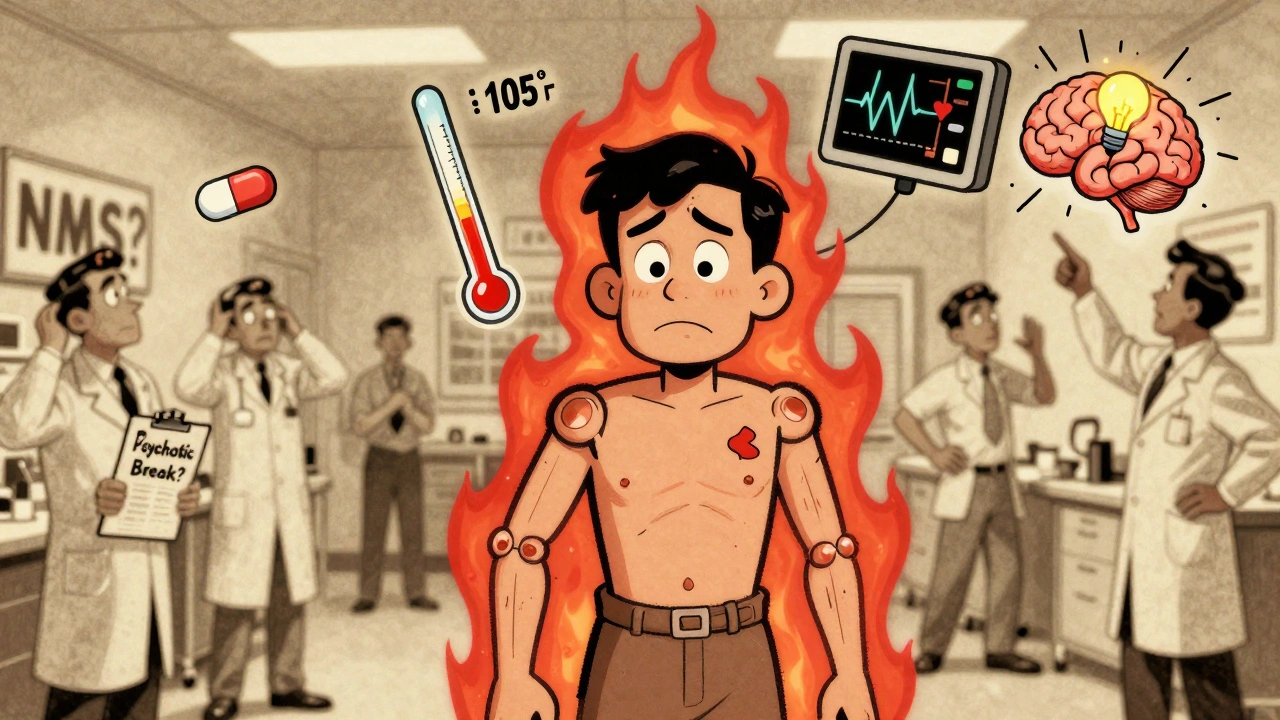
Neuroleptic Malignant Syndrome is a rare but life-threatening reaction to antipsychotics and other dopamine-blocking drugs. Recognizing its four key symptoms-rigidity, fever, mental changes, and autonomic instability-can save lives.
full article