When you mix opioid and benzo risk, the dangerous interaction between opioid painkillers and benzodiazepines that can suppress breathing to deadly levels. Also known as central nervous system depressant combo, it’s one of the most preventable causes of accidental death in people using prescription medications. This isn’t theoretical—it’s happening right now. The CDC reports that over 30% of opioid-related overdoses also involve benzodiazepines. People think they’re just taking their pills as prescribed, but the combination turns a manageable dose into a life-threatening one.
Why does this happen? Opioids slow breathing by acting on brainstem receptors. Benzodiazepines, used for anxiety or sleep, do the same thing—just through different pathways. Together, they don’t just add up; they multiply. A person taking 20mg of oxycodone might be fine alone. Add 2mg of alprazolam, and their body loses the ability to react when oxygen drops. No warning. No gasp. Just silence. This risk isn’t limited to street drugs—it’s in prescriptions from doctors who don’t realize how common this combo is. Elderly patients, people with chronic pain, and those with sleep disorders are especially vulnerable. Even short-term use, like after surgery, can be dangerous if both are prescribed without coordination.
It’s not just about overdosing. Long-term use of both leads to physical dependence, worse withdrawal symptoms, and a higher chance of addiction. People who start with opioids for back pain often get benzos for the anxiety that comes with chronic pain. Then they need more of both to feel the same effect. Tolerance builds. The line between relief and danger blurs. And when one doctor prescribes one and another prescribes the other, no one connects the dots. The real problem isn’t the drugs themselves—it’s how they’re used together without monitoring. You don’t need to be a drug user to be at risk. You just need to be on both.
There are safer alternatives for anxiety and sleep that don’t carry this risk. For pain, non-opioid options like gabapentin or physical therapy often work better long-term. If you’re on either of these meds, ask your doctor: "Could this interact with what else I’m taking?" Keep a list of every pill, supplement, or patch you use. Bring it to every appointment. Don’t assume your pharmacist caught it—they’re busy. And if you’re caring for someone on these drugs, learn the signs of overdose: pinpoint pupils, slow breathing, unresponsiveness. Naloxone can reverse opioids, but it won’t help with benzos. Only emergency care can.
What follows are real stories and clear guides from people who’ve lived through this—how to spot the signs, how to talk to your doctor without sounding alarmist, and what to do if you’re already on both. You’ll find practical advice on tapering safely, alternatives that actually work, and how to avoid falling into the trap of stacking meds. This isn’t about fear. It’s about awareness. And awareness saves lives.
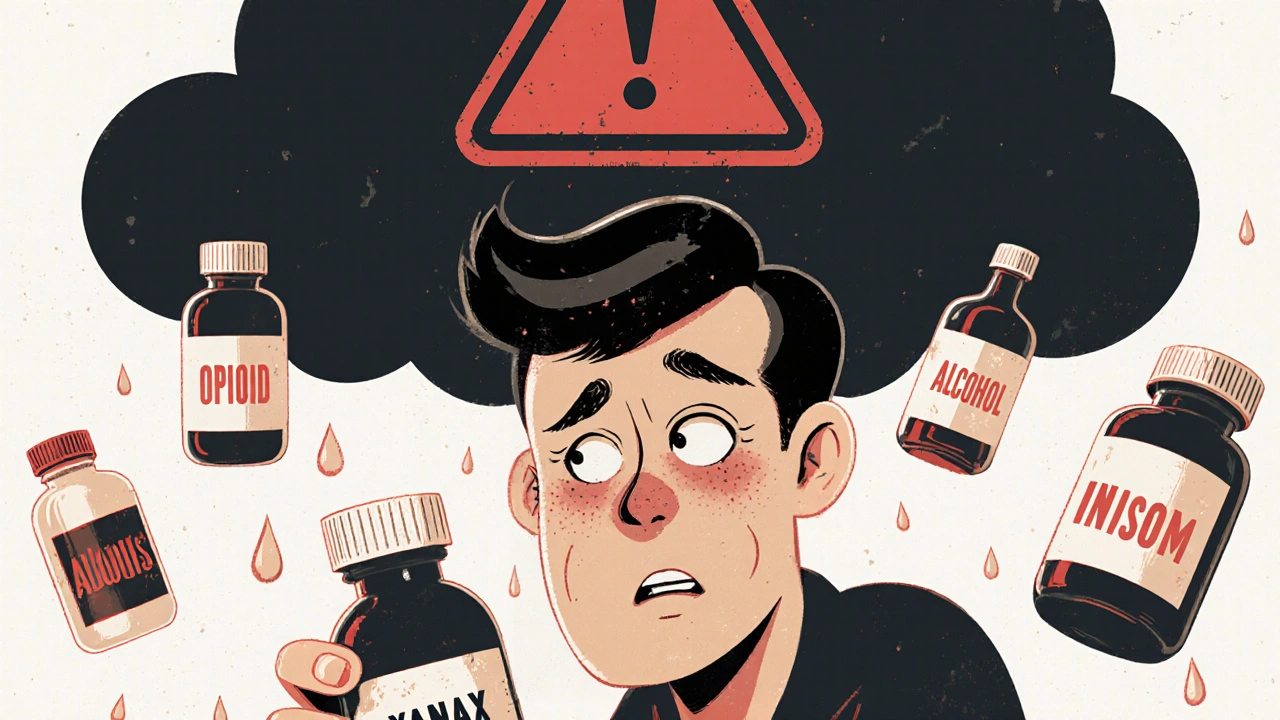
Benzodiazepines like Xanax and Valium offer fast anxiety relief but carry serious risks when mixed with opioids, alcohol, or sleep aids. Learn why this combo can stop your breathing-and what safer alternatives exist.
full article